English
 Español
 Français
 Deutsch
 Italiano
 Português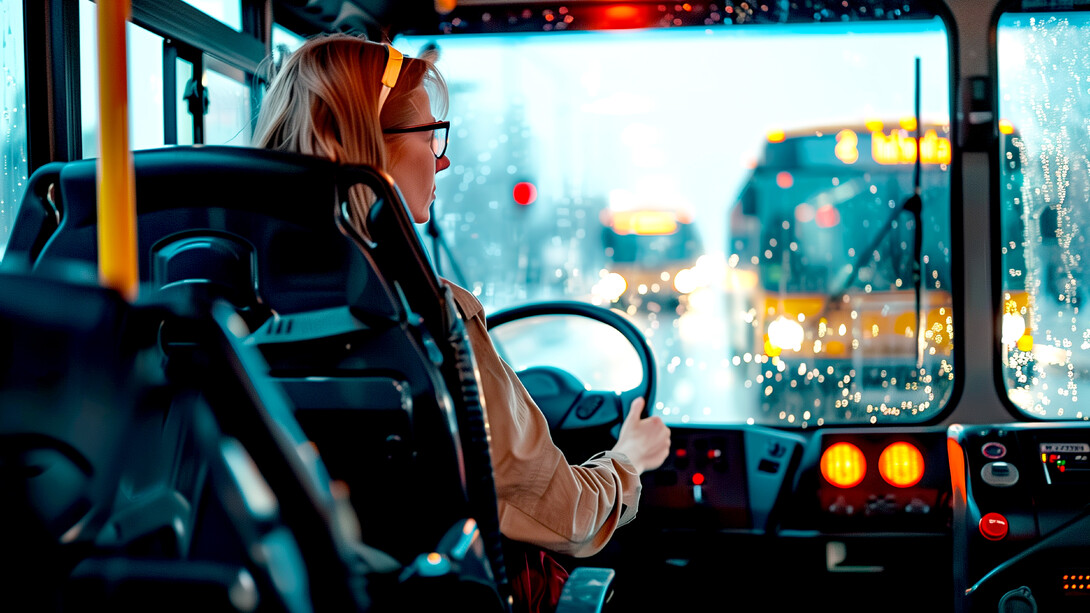
This is a (pseudo-)legal guideline for humanised conduct on public transport, developed from personal trauma, passive-aggressive observation, and sheer desperation.
Introduction and context
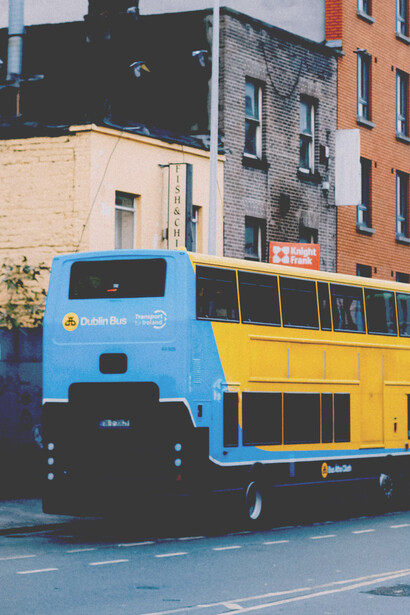
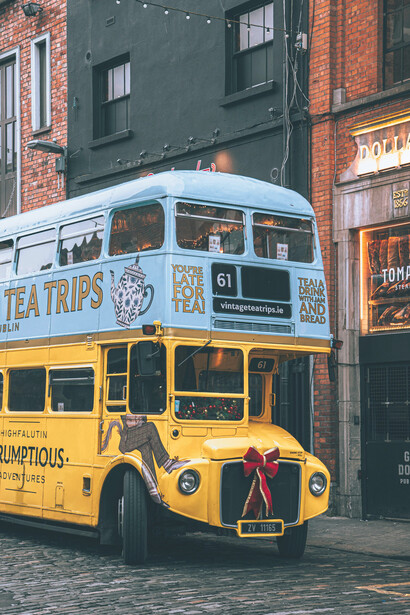
This policy is enacted in recognition of the everyday psychological warfare endured by commuters, with particular reference to the experience of a daily rider of Dublin Bus (route(s) withheld for safety reasons). The author brings 12+ years of hands-on, seat-squeezed experience from the chaotic systems of Rome, the miniature rides of Chieti, and now the sonic battlefield that is Irish public transport.
Although a manifesto may follow (once the necessary revolutionaries are recruited), this preliminary document attempts to set out the framework for restoring basic human decency onboard buses. Ideally, it will be weaponised through mass sharing, passive-aggressive references, and maybe reading aloud by drivers on speakers before every departure.
Definitions
Bus: a long, motorised rectangular capsule designed to transport large groups of humans at a pace just fast enough to make you feel like you're getting somewhere but slow enough to miss every connection. Public buses differ from private buses in that they are designed with minimal comfort, maximum exposure to stranger behaviours, and run on a schedule written in disappearing ink.
Bus driver: a highly skilled, underpaid individual tasked with transporting a cargo of unpredictable and often noisy passengers while attempting to maintain the will to live. Sometimes also a DJ (volume varies by region and emotional state).
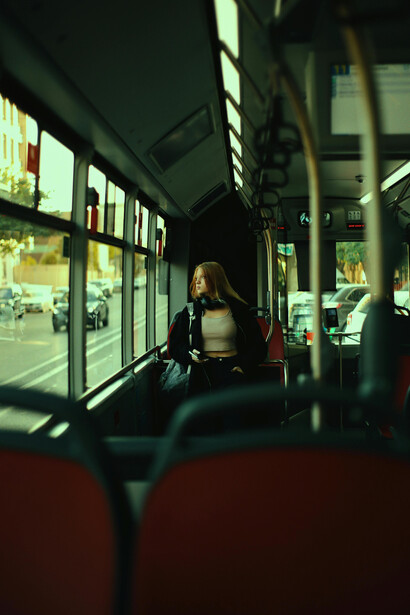
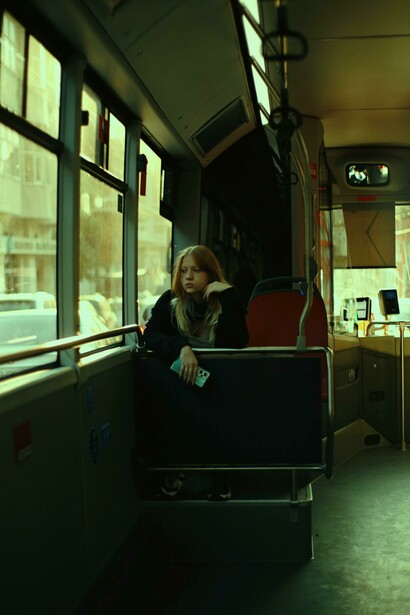
Passenger: a person who exists and—by choice, chance, or tragic necessity—finds themself on a public bus. While some may voluntarily engage in bus travel (see: eco-conscious students, lovers of people-watching, or spiritual ascetics), the majority are simply victims of circumstance. Reasons include but are not limited to lack of a driving licence, lack of a car, lack of money to buy, rent, fuel, or insure, or even look at a car, or lack of mental energy to endure the DMV.
Often, buses become the only viable option when distance, time, or Irish rain make walking, cycling, or scootering impractical — or, in the case of e-scooters, deeply offensive to the senses and common good.
It is the sincere hope of this policy’s author that e-scooters — and the 14-year-olds who pilot them like caffeinated wasps in peak mating season — will one day be officially banned by the Pope. Yes, the Pope. He's American now (which explains a lot), and surely it’s only a matter of time before a new ring of Hell is formally opened in recognition of reckless scooter behaviour.
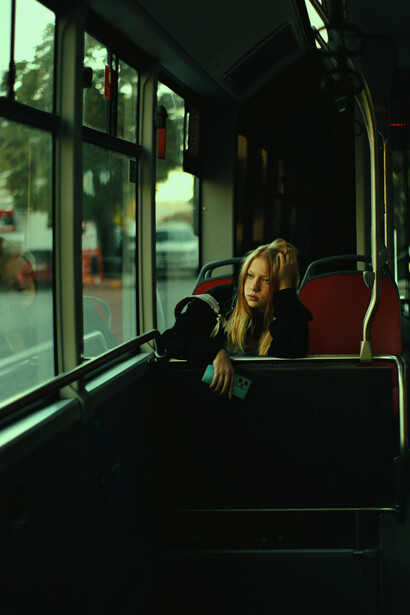
Seat: a contoured platform designed for the temporary placement of the human posterior during transport. Dimensions are generally intended for single occupancy — one (1) adult body seated upright, with limbs folded modestly within the bounds of polite society.
A gentle but firm reminder to men and to anyone who identifies with masculinity or its spatially assertive practices: please refrain from manspreading and colonising adjacent seats with your limbs. This includes but is not limited to legs at 45° angles, knees engaging in border negotiations, and bags parked like flags on conquered territories. We acknowledge that your biological conformity and cultural conditioning are not inherently your fault.
But they are also not our problem.
Policy objective
To establish a functioning etiquette system that promotes mutual survival, auditory peace, and spatial harmony aboard public buses, particularly during peak commuting hours when tempers and elbows are shortest.
Core guidelines of bus etiquette
Seat reallocation principle
If a seat becomes available, and you are sitting shoulder-to-shoulder with another victim of public transport, you are morally and spiritually obligated to relocate. Unless you’re hugely vibing with the person beside you, do your duty and embrace the freedom of solo seating. One bum per bench: the futuristic dream of our ancestors.
The sacred window code
Unless it’s the Arctic outside (and even then, maybe), open a window. A gentle breeze can diffuse the otherwise inescapable bouquet of eau de commuter.
Note: Opening a window is not an act of rebellion. It is public service. Free the nose from the shackles of necessity (i.e., forcefully smelling sweat).
The law of exit hierarchy
Let others off the bus before boarding. This is not a riddle. This is gravity, space, and logic all rolled into one. Do not shoulder-check a disembarking elderly woman to secure a spot. Karma is real, and it rides the bus too.
Audio device protocol
Watching videos on full volume in public is not a sign of confidence; it’s an act of war. TikToks, Reels, or the latest soap opera plot twist should be experienced via headphones. And if you don’t own a pair, consider staying home until you do. This includes speakerphone calls and FaceTime, including if you're being held hostage. We are literally all being held hostage; we are unwillingly using public transportation.
Oral consumption etiquette
Chewing loudly is neither charming nor revolutionary. If your mouth sounds like a cement mixer while eating crisps, it’s time for self-reflection. No food should require surround sound. Your snack choices are the reason why people hate you.
Gratitude directive
Thank your driver. They are not steering a spaceship through intergalactic war, but honestly, emotionally, it’s close.
That said, there are very rare moments when you are allowed to silently, yet passively-aggressively, reclaim your power. For instance, when the driver stops in the middle of the road, turns off the engine, and a full driver change ritual commences... during peak rush hour… at a traffic light… with no explanation. In that case, no, thank you. Just bad vibes.
Implementation and enforcement
Enforcement is non-binding and grassroots-based and relies primarily on peer pressure, dirty looks, dramatic sighs, and the occasional performance-art level of passive-aggressiveness. This is a community-led initiative; its strength lies in silent judgement, collective eye-rolls, and, occasionally, religious cursing.
Final remarks
This policy is not legally binding (yet), but it is spiritually urgent. Our commutes could be scenes of silent, shared dignity instead of chaotic sonic battlegrounds filled with airborne Pringles crumbs and unsolicited TikTok commentary.
Read it. Share it. Whisper it to the next person who forgets to use headphones, as their ears are unapologetically free.
Bus riders of the world, decolonise the seat. And bring back shame.