English
 Español
 Français
 Deutsch
 Italiano
 Português
Not all travel is the same when it comes to mental health.
The reasons you choose to travel can be different. Traveling for work or for family events isn’t necessarily for mental health. Instead, you need to choose trips that help you relax and feel balanced emotionally.
Planning and anticipating a trip can be exciting and bring happiness, which is good for mental health. Taking regular trips, especially ones focused on wellness like yoga or exploring new cultures, can give long-term benefits like better self-esteem and more understanding of others.
This article covers how travel helps reduce stress, supports personal growth, and provides healing, making it an important part of overall well-being.
How does business travel benefit mental health?
Business travel can be stressful, but it also has its advantages. Many professionals see it as a chance to grow in their careers. According to a Booking.com for Business survey 82% of business travelers say it helps them learn more about their industry and stay motivated.
Along with career development, business travel helps with personal growth. About 75% of travelers say it makes them more self-aware and confident, which helps them feel more relaxed. Mental health can also improve, as 52% of travelers say being in a new place helps their emotional well-being and personal growth.
Physical health can also improve from business travel, even though it can be busy. Around 46% of business travelers say their physical health gets better, mostly because they have access to fitness and relaxation facilities. Also, 42% say they would like to use health and wellness apps while traveling.
Business travel can also help improve personal relationships. About 39% say time away on work trips helps them build stronger family and social connections.
How travel helps reduce stress and anxiety
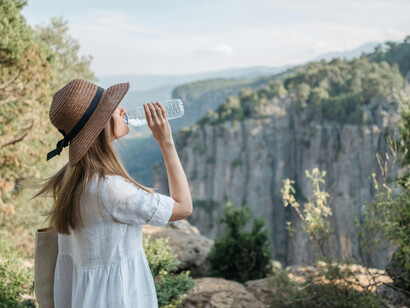
Travel has a significant impact on reducing stress and anxiety by creating distance from the routines, responsibilities, and environments that often contribute to mental strain. Being physically away from familiar stressors allows the mind to slow down and reset, making it easier to relax and feel more at ease. While traveling, people are more likely to engage in enjoyable activities such as exploring nature, tasting new foods, or simply resting, all of which can trigger the release of endorphins and naturally improve mood. This sense of enjoyment, combined with a break from everyday pressures, helps create a feeling of calm and emotional balance.
Another important benefit of travel is the opportunity to disconnect from the digital world. Constant exposure to emails, social media, news, and notifications can heighten anxiety and mental fatigue. Traveling often reduces screen time and encourages mindfulness, helping people focus on their surroundings and fully experience the present moment. This digital break can lower stress levels, improve concentration, and give the brain a much-needed rest from information overload.
Travel also supports creativity and mental flexibility by exposing the mind to new experiences and perspectives. Visiting different places, engaging with new cultures, and meeting people from diverse backgrounds challenge habitual ways of thinking and spark curiosity. These novel experiences stimulate the brain, enhance problem-solving skills, and can lead to a more positive outlook on life. As the mind becomes more adaptable and open, overall emotional well-being tends to improve.
In addition, taking time away from routine can greatly improve sleep and rest. A change of scenery often helps reset sleep patterns by reducing stress and encouraging healthier nighttime habits. Without the usual distractions of work schedules, television, or late-night phone use, many people find it easier to rest deeply and wake up feeling more refreshed. Better sleep plays a crucial role in managing anxiety and maintaining emotional stability.
Travel also offers valuable opportunities for self-reflection and personal growth. Stepping outside one’s comfort zone and navigating unfamiliar environments builds confidence, resilience, and independence. Exposure to different cultures and lifestyles encourages empathy, open-mindedness, and a deeper understanding of oneself and others. These experiences can strengthen emotional awareness and foster a stronger connection to the world.
Beyond mental and emotional benefits, travel has been linked to improved physical health as well. Research involving thousands of middle-aged men at risk for heart disease found that those who took vacations more frequently had a lower risk of death, including a reduced likelihood of heart-related fatalities. These findings remained consistent even after accounting for income and other health factors, highlighting the long-term health value of taking regular breaks. Overall, travel supports a healthier mind and body by promoting relaxation, balance, and overall well-being.
Tips to get the most mental health benefits from travel
Try a new place for your trip. This can bring all the mental health benefits at once.
If you know you might find new experiences or places stressful, choose a place where you can relax and feel safe.
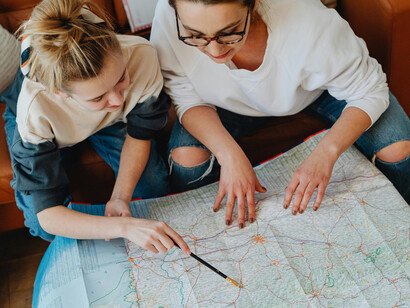
Plan mindfully: Planning can be stressful, especially for big trips or family events. Break tasks into smaller steps, share responsibilities, and have realistic expectations to reduce anxiety.
If you’re traveling with someone, talk about what you both want to do together and what you’re worried about. This helps you solve problems before they happen and enjoy the excitement of travel.
Get traveler’s insurance when you book your trip. It can help if there are last-minute changes or cancellations.
Make sure you get enough rest to recover from activities and time zone changes.
Final thoughts
Whether you choose cultural experiences, nature adventures, or simple relaxation, traveling is one of the best ways to invest in your mental and physical health.
Taking time away from stress and routine can make you feel refreshed and more balanced. If you can go on a trip, even if it's just for a few days and not as far as you'd like, just thinking about it and preparing to leave—traveling—can make you feel better, help you sleep more, reduce your stress, and overall make you happier!