English
 Español
 Français
 Deutsch
 Italiano
 Português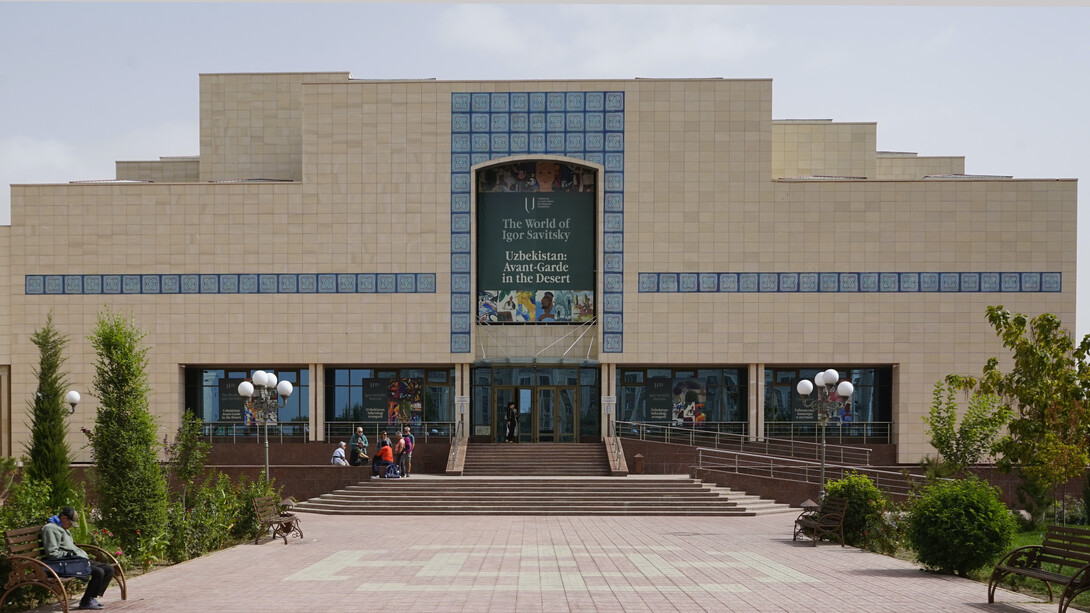
Located in Nukus, the capital of the Republic of Karakalpakstan in northwestern Uzbekistan, the Savitsky State Museum of Art is often called “The Louvre in the Desert.” It is one of Central Asia’s most remarkable cultural institutions, known for its unique collection of Russian avant-garde art and Karakalpak heritage.
The museum was founded in 1966 by Igor Savitsky, a Moscow-born artist who first visited Karakalpakstan in the 1950s as part of an ethnographic expedition. Fascinated by the region’s landscape and local traditions, Savitsky decided to stay and began collecting artworks, archaeological finds, and folk crafts from across the area. Over the years, his collection grew to include more than 80,000 items. Today, the museum holds over 100,000 exhibits in total, making it the second-largest collection of Russian avant-garde art in the world after the Russian Museum in Saint Petersburg.
Savitsky’s work was driven by passion and dedication. During the Soviet era, when many modernist works were banned or ignored, he managed to save hundreds of paintings and sculptures by artists who had fallen out of official favor. He also collected traditional Karakalpak textiles, jewelry, wood carvings, and ancient artifacts from the Khorezm civilization. His goal was to preserve both the local culture and the spirit of artistic freedom.
The museum’s collection is divided into three main sections: Fine Arts, Folk and Applied Arts of Karakalpakstan, and Ancient Khorezm Art. Each section shows a different side of the region’s history and artistic development.
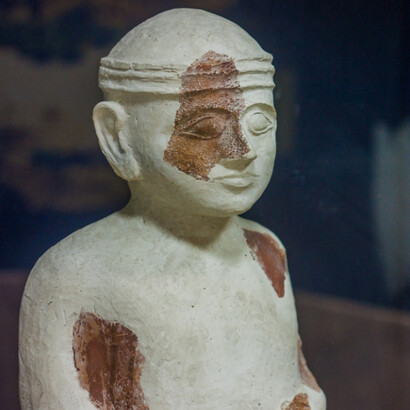
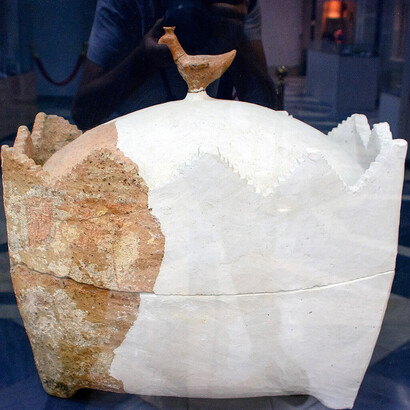
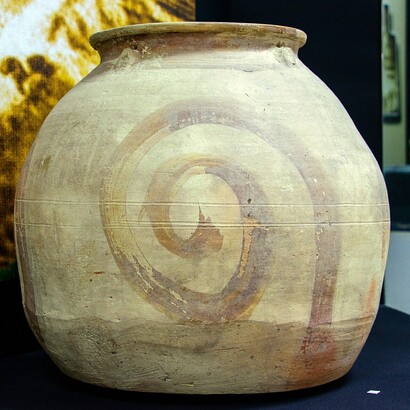
In the Ancient Khorezm section, visitors can see archaeological finds such as pottery, tools, sculptures, and ornaments that date back several thousand years. These items reflect the life and beliefs of the Khorezm civilization, which once thrived in what is now northwestern Uzbekistan. Scholar Sergey Tolstov, who led archaeological expeditions in the area, once described Khorezm as “the Central Asian Egypt” , a title that accurately reflects the richness of the historical heritage of Khorezm. Khorezm also gave birth to some of the most influential historical figures, including Muhammad al-Khwarizmi, who invented "algorithm," and the polymath Abu Rayhan al-Biruni, who discovered America five centuries before Columbus with his calculations.
The Folk and Applied Arts section focuses on Karakalpak culture. It includes traditional clothing, embroidery, wooden figures, and jewellery made by local artisans. The exhibits show the daily life of nomadic families and the craftsmanship passed down through generations. The colors and patterns of the textiles reflect the desert landscape, using shades of red, gold, and turquoise.
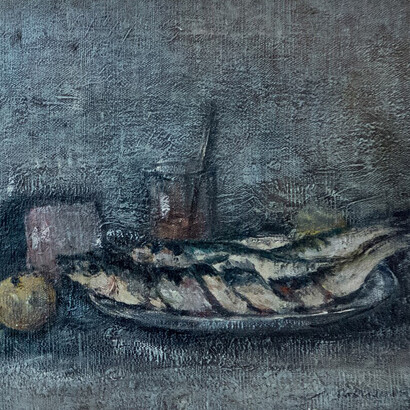
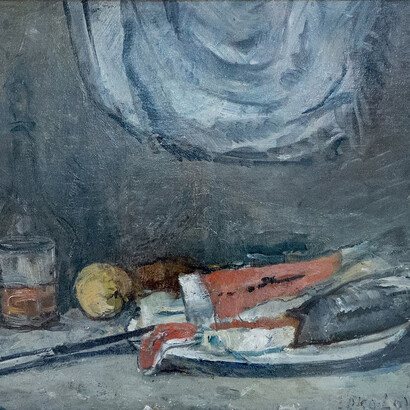
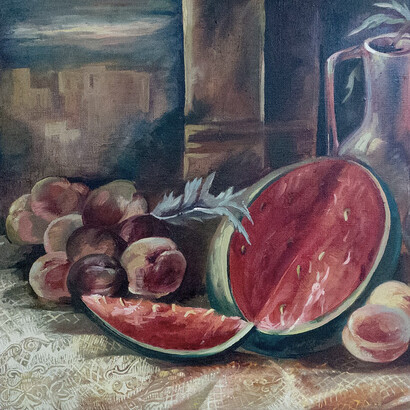
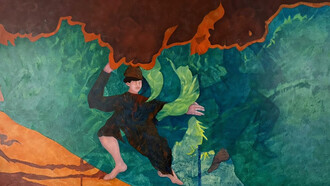
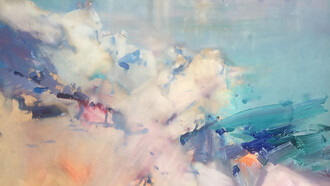
The Fine Arts section presents early 20th-century paintings that once challenged Soviet artistic rules. These works use bright colours and expressive styles to depict farmers, women, and landscapes. Together, they represent a period of artistic innovation that was almost erased from history.
After Uzbekistan gained independence in 1991, the museum entered a new phase of development. It began organizing international exhibitions in countries such as Germany, the Netherlands, and Italy. Shows in Florence and Venice introduced the global art community to Uzbekistan’s artistic heritage and earned the museum international recognition.
In 2003, the museum moved into a modern three-story building equipped to international conservation standards. It continues to expand and modernize its facilities. Recent plans include restoring the first museum building and developing open-air exhibition areas in the ancient Mizdakhkan archaeological complex.
The Savitsky Museum has also faced challenges. After Savitsky’s death in 1984, the museum was led by several directors, including Marinika Babanazarova, who served for more than three decades. In 2015, the museum faced allegations of missing artworks, but investigations found no confirmed cases of theft. Later, changes in leadership and administrative reforms aimed to strengthen transparency and international cooperation.
In 2018, an unexpected incident occurred when the museum’s fire-sprinkler system malfunctioned and damaged a 1914 painting by avant-garde artist Alexander Shevchenko. The work was later restored by experts from Moscow. Despite such challenges, the museum continues to grow and improve its conservation practices.
Today, the museum welcomes visitors from all over the world. In 2024 alone, more than 50,000 people visited the Savitsky Museum, including over 11,000 international tourists. Many come after reading about the museum in major international newspapers, which often describe it as one of the most surprising cultural destinations in Central Asia. The number of visitors coming to this museum has been still growing, more and more people across the globe are finding this museum unique and visiting.
The museum’s recent exhibitions, “Uzbekistan: Avant-Garde in the Desert” and “The World of Igor Savitsky,” continue its mission to share Uzbekistan’s art with a wider audience. These shows highlight how the country’s cultural heritage connects ancient traditions with modern creativity.
The Savitsky Museum stands as a symbol of how dedication and vision can preserve a nation’s artistic memory. From the desert city of Nukus, its galleries tell the story of a collector who saved the forgotten art of an era and gave new life to the cultural heritage of Karakalpakstan.