English
 Español
 Français
 Deutsch
 Italiano
 Português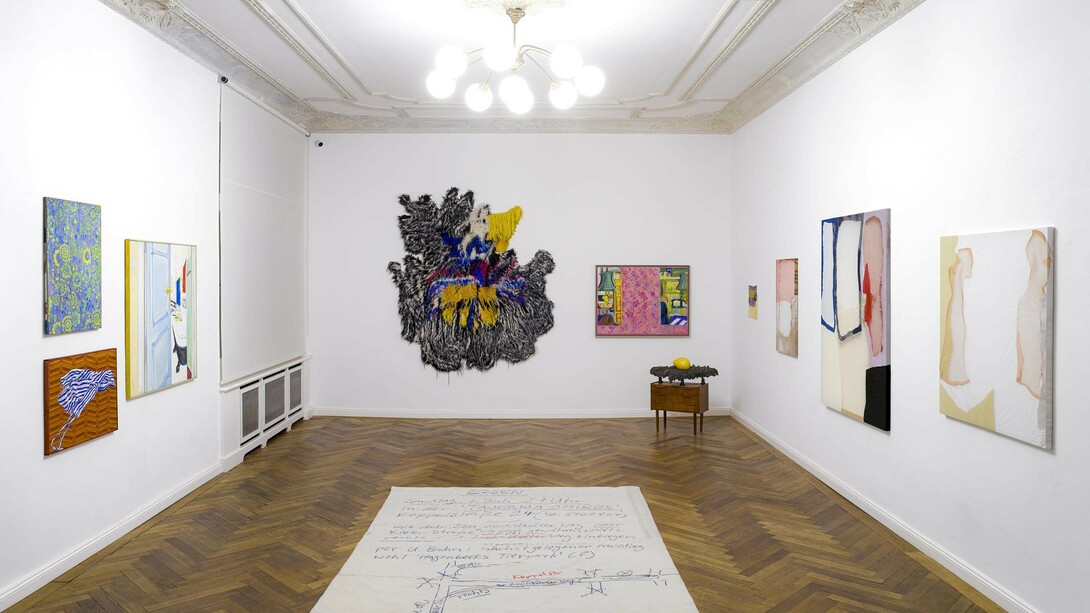
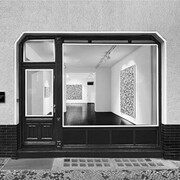
Pension ABC deals with the history and context of our gallery space on the upper floor. As we learned from a neighbor, Wolfgang Menge – a legendary and controversial German television producer and journalist – had purchased this bel étage for his parents in the 1960s. Menge had started to earn money and wanted to secure an income for his rather poor parents by letting them rent out small rooms in this space, which was quite common after World War II.
“Pension” can best be translated as bed and breakfast, and West Berlin was full of such guesthouses. After World War II and into the 1960s, there were many spacious, generous bourgeois living spaces. These vacancies were originally the tragic result of the murder and expulsion of our Jewish fellow citizens. When West Berlin later became a West German island within the socialist state of East Germany, hardly anyone wanted to invest in the city anymore. After the Berlin Wall was built in 1961, even more Berliners moved to West Germany. As a result, more of these huge apartments became available and affordable, and people who bought them for little money often opened “Pensionen” to provide accommodation for merchants, students, nurses, and travelers of all kinds, thus securing an income for themselves.
Menge chose the name “Pension ABC” to ensure that it would be listed under “A” in the telephone directory, as he is quoted in his biography.
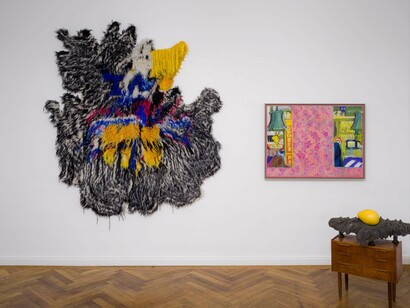
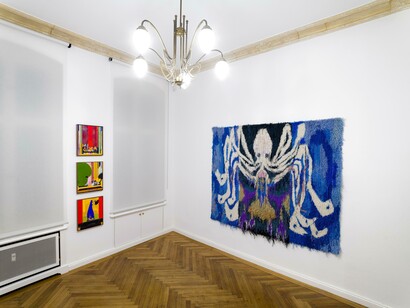
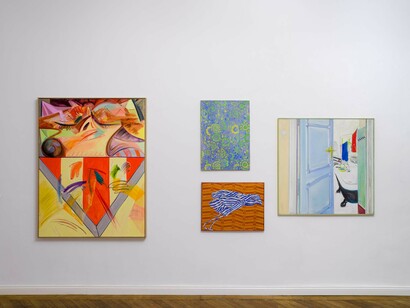
There is this trope of the artist as a stranger in society – always on the move, never arriving – to which some of the works in the exhibition refer. A longing for peace and homecoming, as well as a certain melancholy, pervade the works in Pension ABC. Lives lived and traces left behind generally characterize old buildings. Many works in the exhibition also point to this fact, but do so without falling into nostalgia.
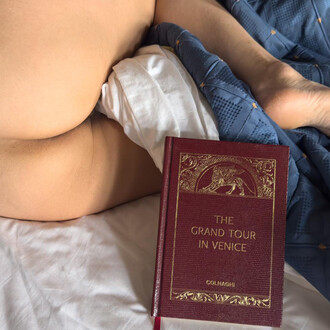
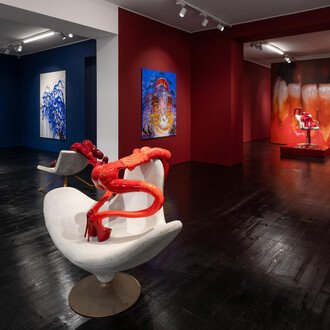
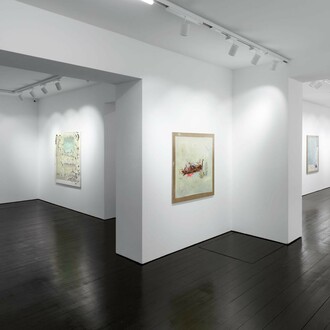
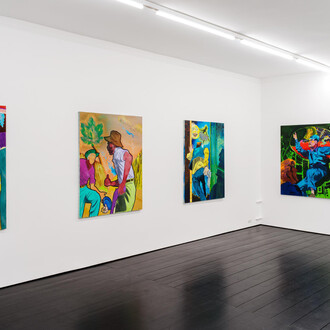
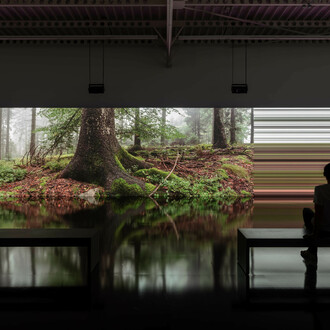
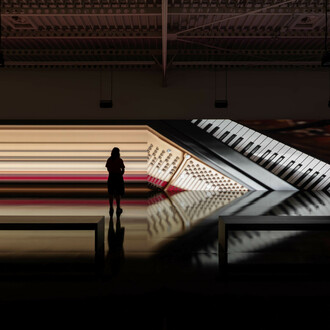
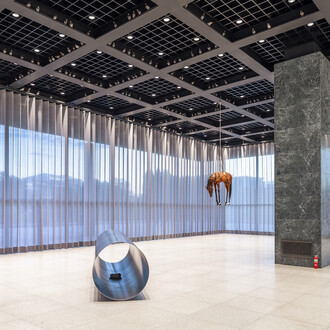
![Various artists, [ materialistin ], exhibition view. Courtesy of Hamburger Bahnhof](/attachments/fd8f4fd76b73be0a02d398535c29d017e1309b65/store/fill/330/330/3f54331fd7869a13166dfe67a9e91306c6e180b2e29b9fd308d958b87ad2/Various-artists-materialistin-exhibition-view-Courtesy-of-Hamburger-Bahnhof.jpg)