English
 Español
 Français
 Deutsch
 Italiano
 Português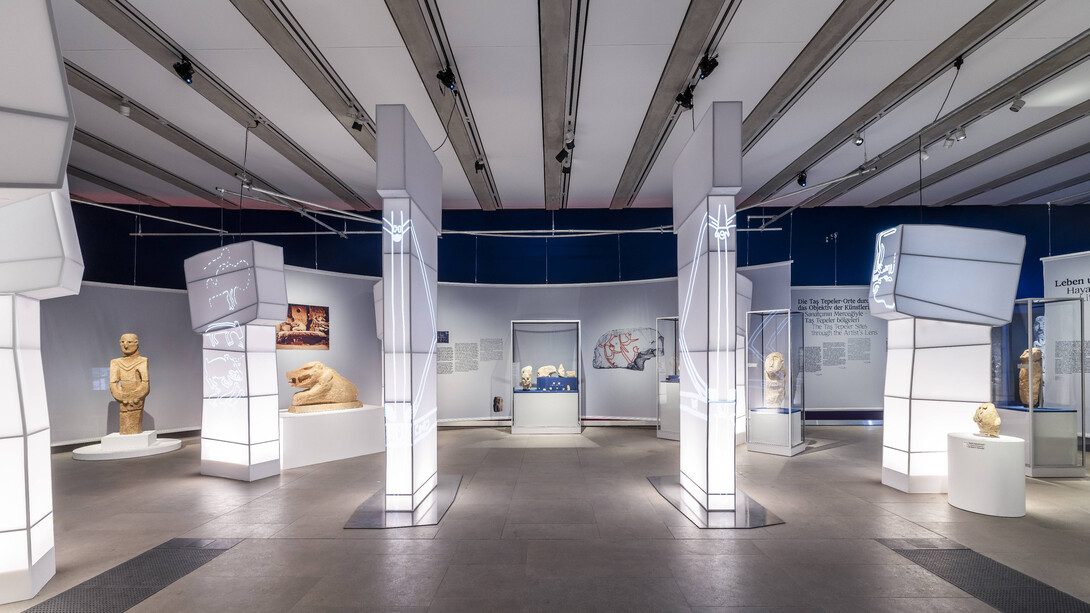
12,000 years ago, hunters and gatherers built in modern south-eastern Türkiye monumental structures—architectural and artistic works that archaeologists are still busy deciphering today. In collaboration with Türkiye, spectacular archaeological finds from Göbeklitepe and other sites in the surroundings are now coming to Berlin’s Museum Island.
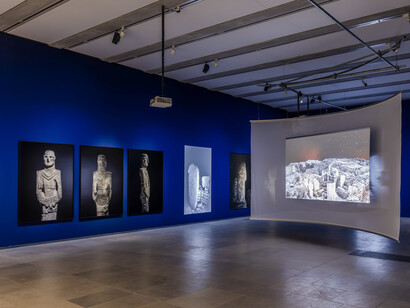
The world of hunter-gatherers at the transition to sedentary life was rich in fascinating images and symbols: colossal statues, monumental buildings, and massive, sculpturally decorated T-pillars—stylised human figures up to six metres high. Who created them, and what do they mean? Long before Stonehenge was erected or the first pyramids were built, the first settled communities in the Şanlıurfa province created unique monumental buildings adorned with spectacular, larger-than-life sculptures. These sites include Göbeklitepe, UNESCO World Heritage Site since 2018, as well as several other locations in the surrounding area. These monumental structures and artworks represent the collective effort of the first settled communities. Common activities were an important factor in the life of these groups, fostering social cohesion while living conditions were changing. Since 2020, the international Taş Tepeler Project has made spectacular discoveries at Karahantepe, Sayburç, Çakmaktepe and other sites, delivering a vivid picture of this revolutionary era.
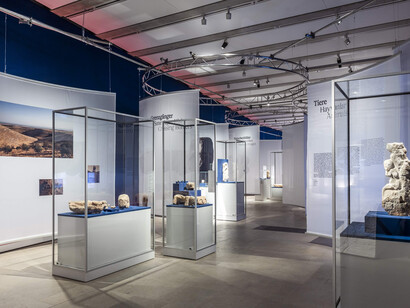
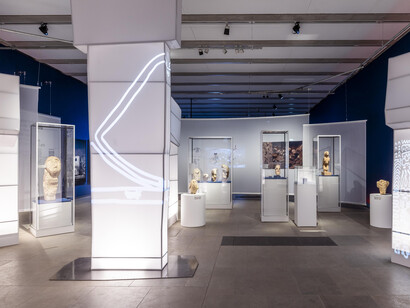
The exhibition at the James Simon Gallery features stone artefacts, everyday objects and jewellery, which tell the story of the people who lived during this period of transition. The archaeological finds and architectural reconstructions are complemented by contemporary photographic interpretations by Spanish photographer Isabel Muñoz, inviting visitors to immerse themselves in the lives of hunter-gatherer groups 12,000 years ago during the shift from a mobile to a settled lifestyle.
Building community. Göbeklitepe, taş tepeler and life 12,000 years ago was developed by a team led by Barbara Helwing, Vorderasiatisches Museum, and Necmi Karul, Istanbul University. This collaborative exhibition involves the Vorderasiatisches Museum, the Şanlıurfa Archaeological Museum, and the “Taş Tepeler” research project of Istanbul University, with the participation of the German Archaeological Institute. Many of the archaeological artefacts from the Şanlıurfa Museum are being exhibited abroad for the first time.
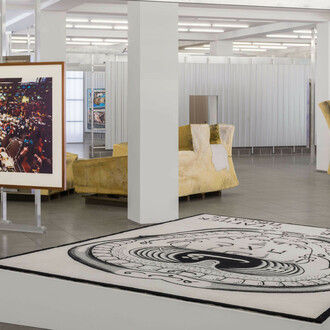
![Various artists, [ materialistin ], exhibition view. Courtesy of Hamburger Bahnhof](/attachments/fd8f4fd76b73be0a02d398535c29d017e1309b65/store/fill/330/330/3f54331fd7869a13166dfe67a9e91306c6e180b2e29b9fd308d958b87ad2/Various-artists-materialistin-exhibition-view-Courtesy-of-Hamburger-Bahnhof.jpg)