English
 Español
 Français
 Deutsch
 Italiano
 Português
Newari cuisine is one of the most celebrated and refined culinary traditions of Nepal. Developed over centuries by the Newar community, the indigenous inhabitants of the Kathmandu Valley, this cuisine reflects a rich history of trade, agriculture, religion, and celebration. It is known for its unique blend of flavors, elaborate preparation methods, and deep cultural symbolism. Every dish in Newari cuisine carries layers of meaning—some linked to festivals and rituals, others to daily sustenance and social gatherings.
The Newars are renowned for their hospitality, artistry, and cultural sophistication, and food plays a central role in all of these. From the famous samay baji (a traditional ceremonial platter) to yomari (a sweet rice flour dumpling), Newari food represents a harmonious blend of taste, tradition, and community. Unlike many other cuisines of Nepal, Newari gastronomy has a well-documented history, and many of its dishes are still prepared today in almost the same way they were centuries ago.
Newari cuisine stands apart not only because of its flavors but also because of how it integrates food with life itself. Festivals, religious ceremonies, weddings, and social rituals are inseparable from elaborate feasts. It is a living tradition—evolving with modern influences but still deeply rooted in its cultural heritage.
Historical and cultural background
The Kathmandu Valley has been home to the Newar people for more than two thousand years. Historically, it was a vibrant center of trade, culture, and religion. The fertile soil of the valley supported intensive agriculture, providing abundant rice, vegetables, and livestock. Trade routes brought spices and influences from India, Tibet, and beyond. This environment allowed the development of a rich culinary tradition that emphasized variety, refinement, and symbolism.
Food has always been a pillar of Newar society. The Newars developed an elaborate food culture structured around caste, festival, and season. Specific dishes were reserved for certain rituals, while others were part of everyday meals. Unlike in many other parts of Nepal, Newari feasts are structured—not random assortments of dishes. The order in which items are served, the ingredients used, and the way they are presented are all guided by tradition.
Religious beliefs, particularly a fusion of Hinduism and Buddhism, heavily influenced the cuisine. Many dishes are prepared as offerings to deities before being consumed. Feasts called bhoj are common during weddings, jatras (street festivals), and pujas. These occasions involve dozens of dishes served in a specific sequence, creating a culinary experience that is as much spiritual as it is social.
Ingredients and cooking techniques
Newari cuisine makes extensive use of locally grown ingredients, with rice, lentils, meat, and seasonal vegetables forming the base. What makes it distinct is the way these ingredients are combined and cooked to create complex flavors.
Main ingredients
Rice and rice flour: the staple of Newari cuisine, used in boiled rice (bhat), beaten rice (chiura), and rice flour delicacies such as yomari and bara.
Lentils and Beans: black lentils, soybeans, and chickpeas are commonly used in soups, pancakes, and snacks.
Meat: buffalo meat is central to many Newari dishes. Pork, chicken, duck, and goat are also consumed, but buffalo remains the most traditional choice.
Vegetables: mustard greens, radish, bamboo shoots, spinach, pumpkin, bottle gourd, and green beans are frequently used.
Spices and condiments: garlic, ginger, cumin, turmeric, fenugreek, mustard oil, chili, and timur (a kind of Sichuan pepper) provide distinctive aroma and flavor.
Fermented ingredients: fermentation plays an important role. Beaten rice, soybeans, and lentils are sometimes fermented to enhance taste and preservation.
Cooking techniques
Newari cooking involves a mix of steaming, frying, roasting, and fermenting. Traditional kitchens used clay stoves (chulo) with wood fires, giving a smoky flavor to many dishes. Oil frying is common, especially with meat dishes. Fermentation and pickling are essential techniques used to preserve seasonal ingredients.
Another defining characteristic is the art of layering flavors. For example, in choila (grilled spiced meat), the meat is first roasted or grilled, then mixed with a spice paste and oil to intensify the taste. Bara, a kind of lentil pancake, is pan-fried to create a crispy exterior and soft interior. Many dishes are prepared fresh during festivals and gatherings, preserving their authentic flavor and texture.
Everyday foods
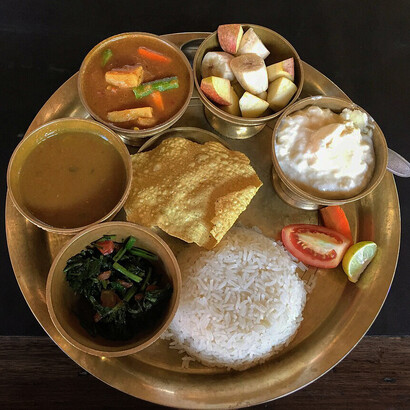
Although Newari cuisine is famous for its grand feasts, everyday meals are simple, balanced, and nutritious. A typical daily meal includes rice, lentil soup (kwati or dal), vegetables, pickles, and occasionally meat. Beaten rice (chiura) is also a staple, often eaten with curd, black soybeans, and achar.
Common everyday dishes
Chiura: flattened rice eaten dry or slightly moistened. It is often paired with spiced meat or pickles.
Bara: savory lentil pancakes made from black lentils, sometimes topped with egg or minced meat.
Aloo Tama: a tangy curry made from bamboo shoots, potatoes, and black-eyed beans. It’s one of the most beloved household dishes.
Chatamari: often called “Newari pizza,” this is a rice-flour crepe topped with egg, minced meat, or vegetables.
Kwati: a thick soup made from a mix of nine types of sprouted beans. Nutritious and rich in protein, it is commonly eaten during festivals and daily meals alike.
Chhoila: grilled buffalo meat seasoned with chili, garlic, ginger, mustard oil, and timur. It is usually served cold with chiura.
Achar: Pickles made from radish, cucumber, chili, or tomato, served with most meals.
These dishes are quick to prepare, reflecting the balance between simplicity and nutrition in everyday Newari diets.
Festive and ritual foods
No community in Nepal celebrates festivals with as much culinary sophistication as the Newars. Food is central to almost every festival, ritual, and life event.
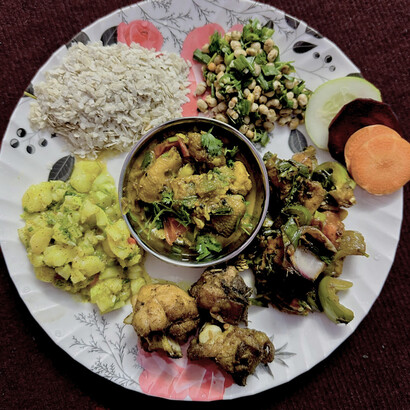
Samay Baji: the most iconic representation of Newari cuisine is samay baji. It is a ceremonial platter that includes chiura, bara, boiled egg, choila, fried soybeans, ginger, pickles, beaten rice, spinach, and dried fish. Each element has a symbolic meaning. For example, ginger is believed to help digestion, while beaten rice represents abundance. Samay baji is served during festivals, religious rituals, and family gatherings.
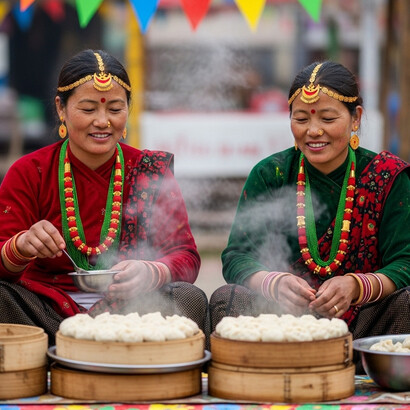
Yomari Punhi: this festival celebrates the harvest of new rice. Yomari—a steamed rice flour dumpling filled with molasses and sesame—is the centerpiece. The dumpling’s unique pointed shape symbolizes prosperity and good fortune.
Mha Puja and New Year: Mha Puja, meaning “worship of the self,” is one of the most spiritual Newar festivals. Special foods like fried bread, fruits, and samay baji are offered during the ritual. The Newari New Year, known as Nepal Sambat, is marked with feasting and sharing food with family and community.
Bhoj (Feasts): Newari feasts are legendary. A typical bhoj involves more than two dozen dishes served in a specific order on banana leaves or leaf plates. Alcoholic beverages like aila (a traditional homemade liquor) accompany the food. Each dish has cultural significance, and the sequence reflects centuries-old tradition.
Regional variations
While Newari cuisine originated in the Kathmandu Valley, it has regional variations influenced by geography, availability of ingredients, and local traditions.
Kathmandu: the traditional heart of Newari cuisine. Here, feasts are elaborate, with an emphasis on buffalo meat dishes, bara, yomari, and a wide variety of pickles. The use of mustard oil and timur spice is distinctive.
Patan (Lalitpur): Patan is known for its refined presentation and ceremonial food traditions. Samay baji and yomari are particularly well crafted here. Feasts are structured and emphasize balance in taste.
Bhaktapur: Bhaktapur has its own style of yomari and juju dhau (king curd), a thick and creamy yogurt served in clay pots. The city is also known for rich ceremonial foods and sweets.
Towns outside Kathmandu Valley
Newars living in cities like Banepa, Dhulikhel, and other parts of Nepal have adapted their cuisine to local ingredients while preserving core dishes such as bara, choila, and chiura. Modern variations include more vegetables and less meat due to changing lifestyles.
These variations enrich Newari cuisine, making it both diverse and unified at the same time.
Nutritional aspects and sustainability
Newari food is not only flavorful but also nutritionally balanced and environmentally sustainable. The combination of rice, lentils, vegetables, and moderate amounts of meat provides a complete diet rich in carbohydrates, proteins, and micronutrients.
Nutritional value
High protein content: lentils, beans, soybeans, and buffalo meat offer abundant protein.
Fiber and vitamins: vegetables, fermented foods, and pickles ensure fiber and micronutrients.
Fermented foods for digestion: fermentation improves gut health and nutrient absorption.
Balanced use of spices: instead of overpowering flavors, Newari spices are used to support digestion and enhance natural tastes.
Sustainability
Newari food practices are inherently sustainable. Most ingredients are locally grown. Seasonal vegetables and grains are prioritized. Traditional cooking methods use minimal waste. Leaf plates and clay utensils reduce environmental impact. Fermentation and pickling extend the shelf life of seasonal produce, reducing dependence on imports or processed food.
This traditional system of food production and consumption provides valuable lessons for modern sustainable living.
Alcoholic beverages and fermented drinks
A special feature of Newari cuisine is its variety of traditional alcoholic beverages. These are not just drinks but integral parts of rituals and feasts.
Aila: a strong distilled liquor made from rice, barley, or millet. Known for its purity and smooth taste, it is served during rituals and to honor guests.
Thon: a kind of rice beer similar to chhyang, often served during festivals and daily meals.
Palu: a fermented sweet rice drink, consumed mostly during winter and special occasions.
Alcohol is served with respect and ritual. For example, during feasts, aila is poured from a traditional brass vessel in a long arc, symbolizing hospitality and blessing.
Culinary symbolism and rituals
Newari food is not just nourishment; it is a language of culture and spirituality. Every dish and feast carries symbolic meanings.
Samay Baji: symbolizes prosperity, good health, and unity.
Yomari: associated with abundance and a good harvest.
Mha Puja foods: represent self-purification, inner strength, and renewal.
Aila: considered sacred and used in rituals before being consumed.
Food is also used to mark life-cycle events such as birth, initiation, marriage, and death. Each stage has its prescribed dishes, reflecting respect for tradition and the cycle of life.
Modern influence and challenges
In recent decades, Newari cuisine has experienced both transformation and revival. Urbanization, migration, and the rise of modern restaurants have changed eating habits. Many younger Newars consume fast food and packaged items more than traditional meals. However, Newari cuisine has also gained new platforms—from restaurants to tourism.
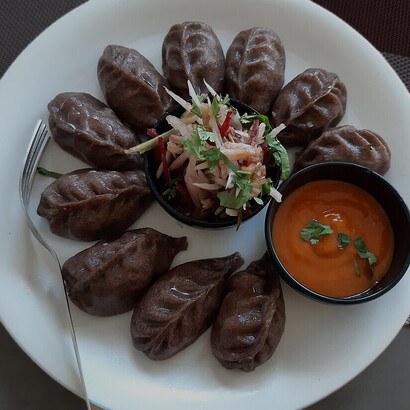
Traditional dishes like chatamari, yomari, and samay baji are now served in cafes and fine-dining restaurants. Culinary entrepreneurs are experimenting with fusion while preserving authenticity. Cultural organizations and homestays have begun promoting traditional cooking to tourists.
Challenges
Loss of traditional knowledge: as older generations pass away, many complex recipes and rituals risk being forgotten.
Urbanization: limited access to traditional ingredients due to a modern lifestyle.
Commercialization: some dishes are simplified or altered for mass production, losing their original depth of flavor.
Despite these challenges, there is strong cultural pride among Newars. Efforts to document, teach, and commercialize Newari food responsibly are helping to preserve this culinary heritage.
Newari cuisine in tourism and on the global stage
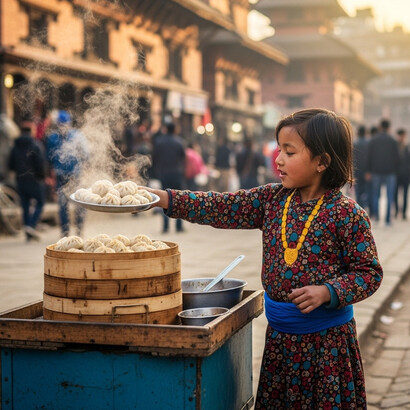
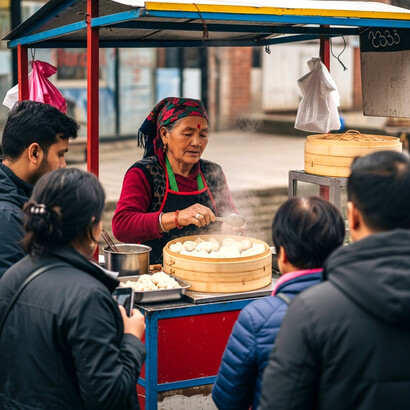
Newari cuisine is becoming a major attraction for both domestic and international tourists in Nepal. Food tourism in Kathmandu often begins with a traditional Newari feast. Cultural streets in Kathmandu, Patan, and Bhaktapur host local eateries serving authentic dishes. Tourists enjoy not just the taste but also the storytelling behind each dish.
Cooking classes, food tours, and cultural festivals have brought Newari cuisine to the global stage. Restaurants abroad run by the Nepali diaspora are introducing yomari, chatamari, and choila to international audiences. This growing recognition can help preserve and expand Newari culinary heritage.
Conclusion
Newari cuisine is one of Nepal’s richest and most sophisticated culinary traditions. It is deeply intertwined with culture, religion, and social life. From simple daily meals of chiura and bara to grand ceremonial feasts with samay baji and aila, every dish tells a story of community, faith, and identity.
Rooted in the fertile Kathmandu Valley and shaped by centuries of history, Newari cuisine reflects balance—between taste and nutrition, celebration and simplicity, and tradition and innovation. It is both an art form and a living tradition, adapting to modern times without losing its soul.
As Nepal grows more connected with the world, preserving and promoting Newari food heritage becomes even more important. It is a source of cultural pride, a symbol of hospitality, and a contribution to global culinary diversity. Through respectful documentation, education, and sustainable tourism, Newari cuisine can continue to thrive for generations to come.