English
 Español
 Français
 Deutsch
 Italiano
 Português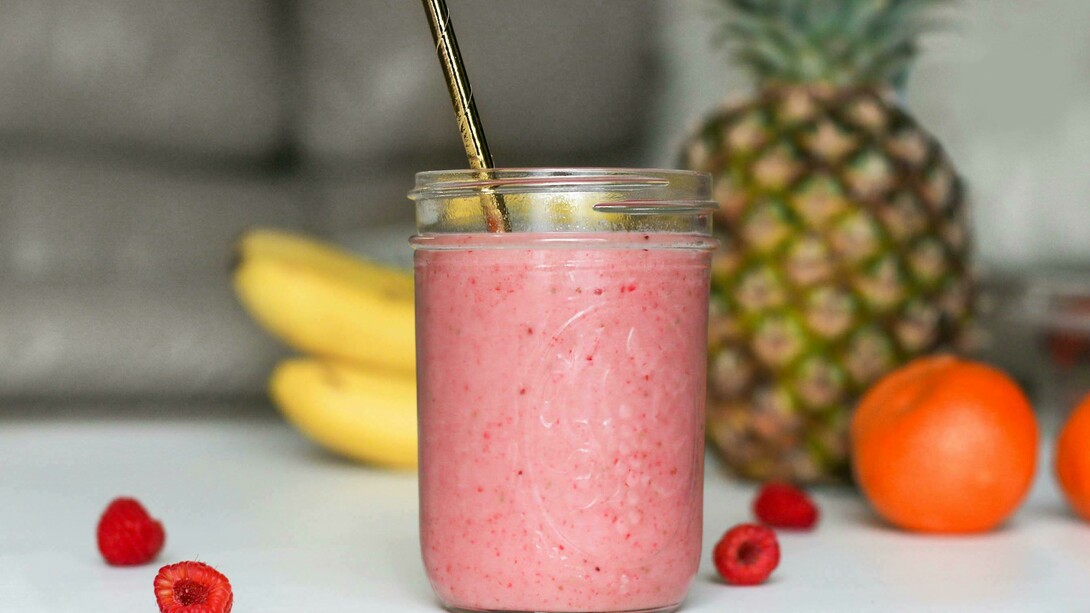
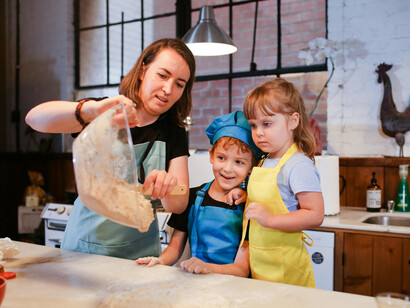
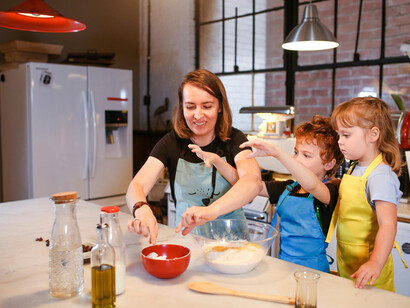
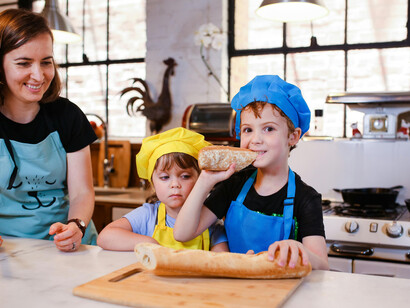
Cooking with children can be more than just preparing meals—it can be a fun science adventure! By turning the kitchen into a mini laboratory, kids can learn about colors, textures, heat, cold, and chemical reactions, all while enjoying tasty and healthy food. With a little guidance, cooking becomes a hands-on way to explore science and nutrition.
Physics and color experiments
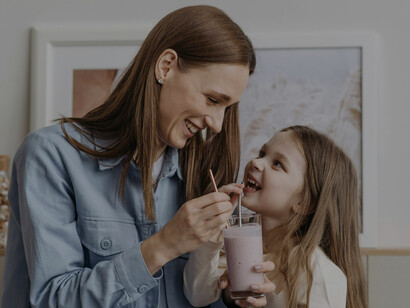
For a colorful and tasty experiment, children can make rainbow smoothies with spinach, strawberries, blueberries, bananas, and yogurt. They can layer fruits and yogurt to create vibrant smoothies. Liquids freeze at 0°C, so children can check the smoothies in the freezer every 30 minutes to see how the liquid slowly turns solid. This activity teaches them about mixing colors and freezing, observing how liquids become solids. Each color also provides different nutrients—green for iron, red for antioxidants, and blue or purple for vitamins.
Another engaging activity is fizzy lemon cake, made with flour, egg, milk, lemon juice, and baking soda. When children add lemon juice to the baking soda, they can watch the fizz. This fizz is a chemical reaction between the acid (lemon juice) and the base (baking soda), producing carbon dioxide bubbles that make the cake fluffy. It helps children understand cause and effect and introduces them to chemical reactions in a safe and edible way. Using whole-grain flour and minimal sugar makes this treat healthier.
Making vegetables fun
Hidden veggie popsicles are a playful way to combine carrot juice, spinach, apple juice, and small fruit pieces. Children can mix the juices, pour them into molds, and freeze them. By checking the popsicles every 30–40 minutes, they can observe how liquids turn into solids at 0°C, learning about freezing points. This activity also teaches states of matter and observation skills while adding fiber, vitamins, and minerals in a fun and tasty form.
With veggie volcanoes, children can arrange mashed sweet potatoes, broccoli florets, and cherry tomatoes into volcano shapes, then drizzle yogurt over the top as “lava.” This allows them to see how lava flows and cools, just like yogurt spreading over vegetables. The activity introduces concepts of solid versus liquid textures and basic physics, while also providing nutrients like beta-carotene from sweet potatoes and vitamin C from broccoli.
Protein and energy experiments
The yogurt lab lets children explore mixtures by combining plain yogurt with natural fruit puree and adding pumpkin or sunflower seeds. As they mix different fruit purees into the yogurt, they can observe texture changes and discuss emulsions—how liquids combine. Seeds may float or sink depending on density, showing children the differences between solids, liquids, and mixtures. Yogurt offers protein and probiotics, while fruit adds vitamins and natural sweetness.
Mini egg frittatas provide another fun experiment. With eggs, milk, grated carrots, zucchini, and cheese, children can mix ingredients in muffin tins and then watch as the eggs solidify during baking. This demonstrates how heat changes liquids into solids, with proteins in eggs denaturing and setting into a firm frittata. The activity helps children understand cooking, heat, and protein science while giving them a nutritious snack full of protein, calcium, and fiber.
Fun presentation and creativity
Encouraging fun food arrangements can make meals more engaging. Children can arrange food by color or shape—like stars, hearts, or animals—and discuss patterns, symmetry, and shapes. A mini taste test with several vegetables or fruits allows children to guess flavors or textures, while mixing crunchy, soft, and chewy foods helps them explore sensory science in an enjoyable way. Letting children measure, pour, and stir themselves also gives them a sense of responsibility and improves fine motor skills.
Practical tips
Preparing grated vegetables, fruit slices, and yogurt portions ahead of time makes cooking with children easier. A child-safe kitchen setup with small bowls, child-friendly utensils, and aprons ensures safety and fun. Using colorful trays, cups, and molds makes the science aspects of cooking more engaging. Extras like mini popsicles, muffins, or veggie bites can be frozen and later re-observed for added learning opportunities.
Example week of mini kitchen experiments
On Monday, children can try rainbow smoothie layering and observe the freezing process. On Tuesday, they can bake fizzy lemon cake and watch the chemical reaction. Wednesday’s activity could be hidden veggie popsicles, checking every 30 minutes to see the liquid turn solid. On Thursday, they can make mini egg frittatas, observing how heat turns liquid into solid. Finally, on Friday, children can build veggie volcanoes and discuss the flow of liquids and textures.
Final thoughts
Turning the kitchen into a mini science lab combines learning, creativity, and healthy eating. Children discover the magic of food and learn about states of matter, chemical reactions, colors, and textures—all while having fun and eating nutritious meals. With mini science experiments in everyday cooking, mealtime becomes educational, interactive, and exciting. Every child can be a little scientist discovering the wonders of food and science!