English
 Español
 Français
 Deutsch
 Italiano
 Português
Protein quality plays a critical role in human health, particularly for individuals seeking to support muscle growth, recovery, metabolic health, and overall physical performance. Among the wide range of protein supplements available today, animal-sourced whey protein and plant-based protein powders are the most widely consumed. While both can contribute to daily protein intake, substantial scientific evidence indicates that whey protein offers several physiological and functional advantages over plant-based protein sources, especially in terms of amino acid composition, digestibility, and effectiveness in stimulating muscle protein synthesis.
Whey protein is a by-product of cheese production derived from milk and is recognized as a high-quality, complete protein. It contains all nine essential amino acids in proportions well suited to human requirements. Of particular importance is its high content of branched-chain amino acids, especially leucine. Leucine is a key regulator of muscle protein synthesis through activation of the mTOR signaling pathway, which plays a central role in muscle repair and growth. Whey protein typically contains significantly more leucine per gram of protein than most plant-based sources, making it more effective at triggering anabolic responses, especially in physically active individuals and older adults.
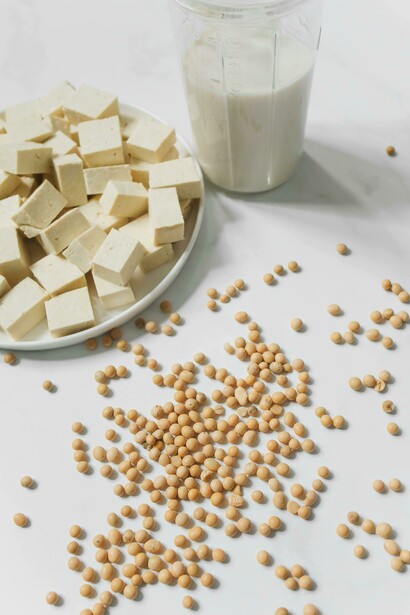
In contrast, many plant-based proteins are limited by incomplete amino acid profiles. For example, cereal-based proteins tend to be low in lysine, while legume-based proteins are often deficient in methionine. Although combining different plant proteins can compensate for these limitations, such blends require careful formulation and often higher total protein intake to achieve amino acid levels comparable to whey. Even when blended, plant proteins may still provide lower concentrations of leucine, reducing their ability to maximally stimulate muscle protein synthesis unless consumed in larger quantities.
Digestibility is another key factor that distinguishes whey protein from plant-based alternatives. Protein quality is not determined solely by amino acid composition butcomposition but also by how efficiently the protein is digested and absorbed. Whey protein scores highly on established protein quality metrics such as the Protein Digestibility-Corrected Amino Acid Score (PDCAAS) and the Digestible Indispensable Amino Acid Score (DIAAS). These scores reflect both amino acid availability and intestinal absorption, areas where whey consistently outperforms most plant proteins. The rapid digestion of whey allows amino acids to appear quickly in the bloodstream, which is particularly beneficial in the post-exercise period when muscles are primed for nutrient uptake.
Plant proteins, by comparison, are often embedded within complex plant cell structures and accompanied by dietary fiber and antinutritional factors such as phytates and tannins. These compounds can interfere with protein digestion and mineral absorption, reducing the overall bioavailability of amino acids. Although modern processing techniques can reduce some of these limitations, plant proteins generally remain less digestible than whey, leading to lower efficiency in protein utilization.
The superior digestibility and amino acid profile of whey protein translate into measurable functional outcomes. Numerous controlled studies have demonstrated that whey protein supplementation results in greater increases in lean muscle mass, strength, and recovery when compared with plant-based proteins, particularly when matched for total protein intake. These effects are most pronounced in resistance-trained individuals, older adults experiencing age-related muscle loss, and individuals recovering from illness or injury. While plant proteins can support muscle maintenance, they often require higher doses to achieve comparable effects, which may not always be practical or cost-effective.
Beyond muscle health, whey protein also offers additional physiological benefits. It contains bioactive peptides and immunoglobulins that may support immune function, gut health, and antioxidant capacity. Whey has been shown to enhance glutathione production, one of the body’s most important endogenous antioxidants. These bioactive components are largely absent from plant-based protein powders, which are typically refined to isolate protein fractions and lack comparable functional peptides.
Sensory and functional properties further contribute to whey protein’s widespread use. Whey is generally more soluble, has a smoother texture, and offers superior flavor compared to many plant-based proteins, which can have earthy or bitter notes. Improved palatability and mixability increase consumer compliance, an important but often overlooked factor in nutritional effectiveness.
It is important to acknowledge that plant-based proteins have advantages in certain contexts, particularly for individuals who follow vegan diets, have dairy allergies, or prioritize environmental sustainability. Advances in protein blending and processing have improved the nutritional quality of plant-based options, making them viable alternatives for general protein intake. However, from a strictly physiological and performance-oriented perspective, whey protein remains the benchmark against which other protein sources are measured.
In conclusion, animal-sourced whey protein consistently demonstrates superior nutritional quality compared to plant-based protein sources. Its complete amino acid profile, high leucine content, excellent digestibility, and strong evidence for promoting muscle protein synthesis make it particularly effective for supporting muscle growth, recovery, and overall protein utilization. While plant-based proteins can play a meaningful role in a balanced diet, whey protein remains the most efficient and scientifically supported option for individuals seeking optimal protein functionality and performance outcomes.