English
 Español
 Français
 Deutsch
 Italiano
 Português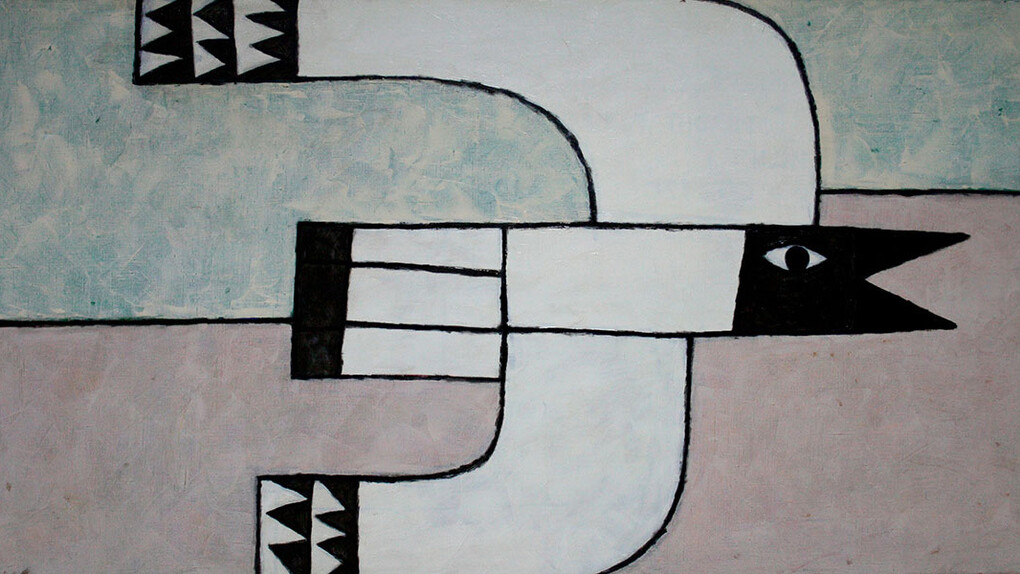
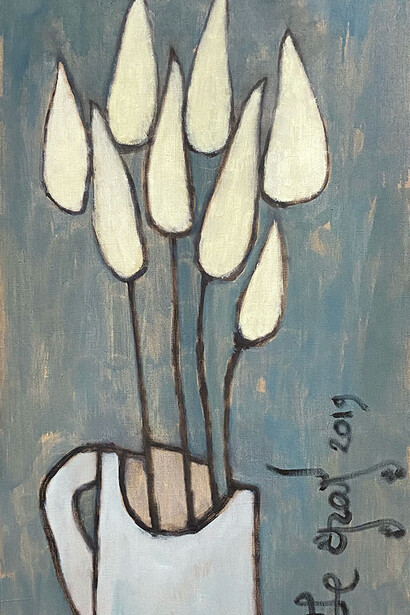
What happens if one attempts to reduce the complex form of a flower to simple geometric shapes? It will turn into a symbol.
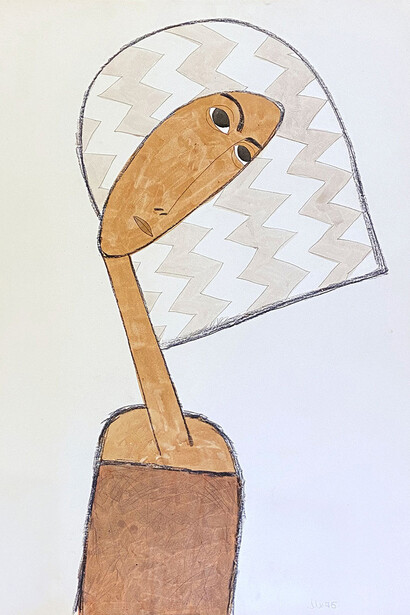
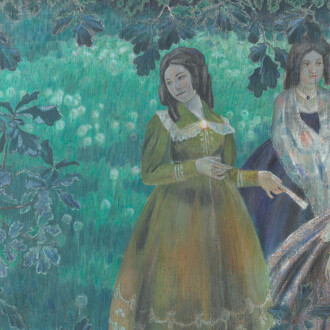
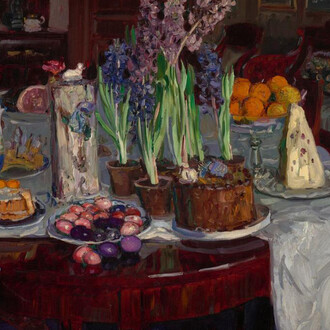
Oleg Nikolayenko is not a naïve artist, even though a superficial look at his paintings invites such associations. The primitivist style of his works results from a deliberate set of self-imposed limitations. This artistic asceticism offers a new perspective on and profound insight into familiar objects.
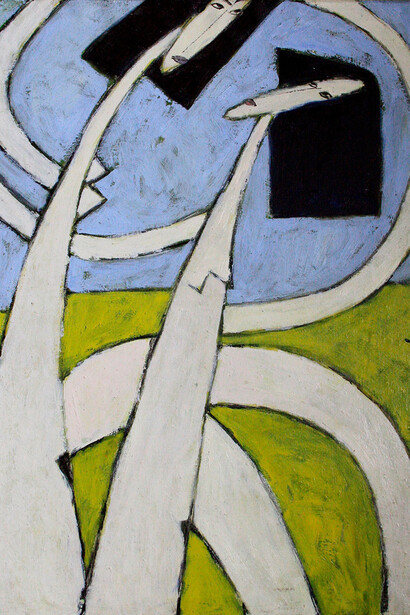
The painter deals with symbolic forms that dwell in his inner world. Once he commits them to canvas, they acquire a life of their own, different from that of their actual prototypes. Nikolayenko’s style is two-dimensional, with a pronounced preference for local colours – those inherent in objects regardless of lighting, shadows, and overtones. However, it is exactly this simplicity that allows him to capture the very essence of what is pictured.
Nikolayenko shares an affinity with the Russian avant-garde which revisited ancient cultures and folk art, and thus was largely archaic. Upholding the potent tradition of Russian primitivism (that of lubok folk prints, Mikhail Larionov and Natalia Goncharova, the Arefiev circle, and the Mitki artistic collective), Nikolayenko manages to stay original and instantly recognisable.
Nikolayenko explores archaic subjects, depicting flowers, objects, animals, and women, and affording substance and solidity to abstract symbols. This inevitably puts one in mind of the poetic remark on middle age by Vladislav Khodasevich:
Yet simple words like ‘flower,’ ‘child’ or ‘beast’
Escape my lips more often than before.
This focus on primary existential notions is indeed essential for attaining wisdom. Such contemplative self-restraint makes one appreciate what truly matters in life:
But then the soul is sweetly made complete
By silent germination of the grain.
Oleg Nikolayenko’s art is wise, calm, invigorating, and devoid of excesses. It encourages the viewer to shake off the shackles of daily preoccupations and join the artist in contemplative reflection.