English
 Español
 Français
 Deutsch
 Italiano
 Português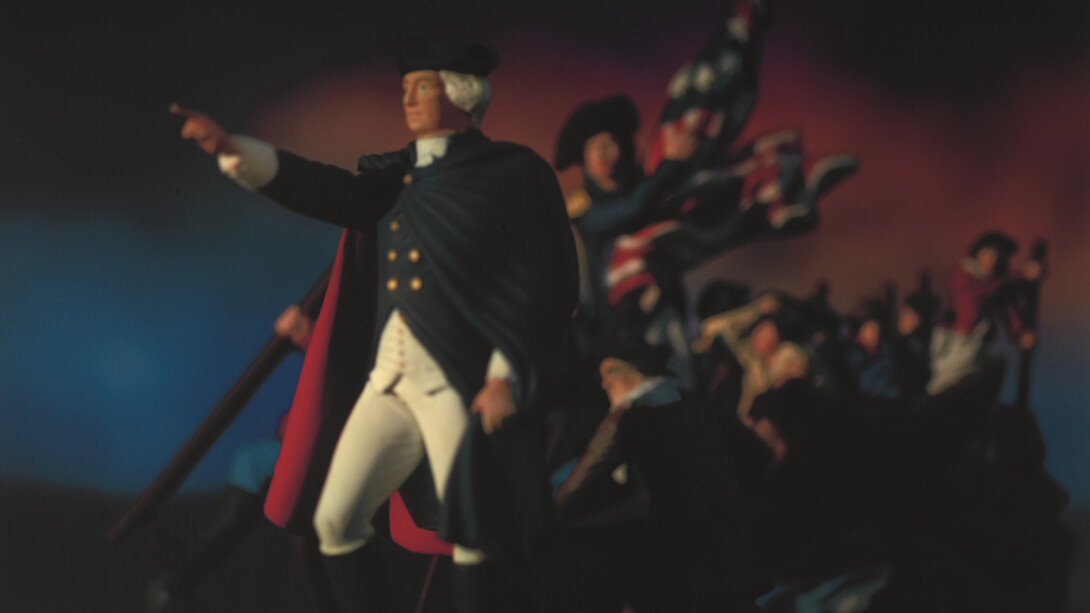
On Friday, February 13 2026, H’ART Museum, in collaboration with the Smithsonian American Art Museum (Washington, D.C.), will open the exhibition American myth and memory: David Levinthal photographs. The American artist David Levinthal (1949) uses toys to recreate and reimagine key moments in United States history. With cowboys from the “Wild West,” Vietnam War scenes, baseball players, and Barbie dolls, Levinthal explores themes such as power, heroism, and identity.
This is the first time his work will be shown in the Netherlands, and it marks the first major collaboration between the Smithsonian American Art Museum and a museum in Europe. The exhibition launches a new initiative between Smithsonian American Art Museum and H’ART Museum.
No innocent object
American myths and legends played a major role in Levinthal’s childhood. He became captivated by TV westerns and plastic toy figurines. While studying photography, he used that early fascination as a source of inspiration to stage and retell histories. His mentor was the famed photographer Walker Evans, who documented American society in his reportage work. From Evans, Levinthal learned how to tell stories through images—though unlike Evans, he chose the studio as his terrain.
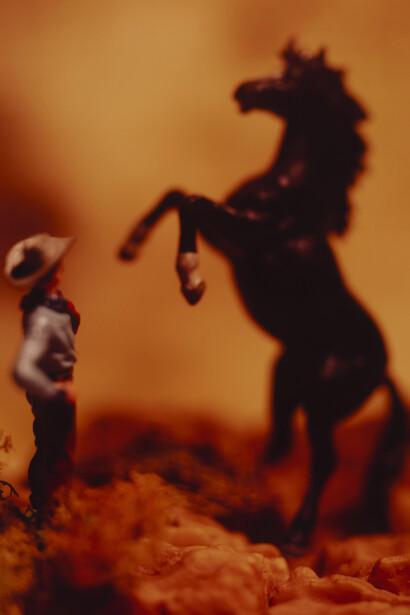
There, he photographed his series in carefully constructed miniature worlds. He recreated narratives anchored in the collective memory—stories about the Civil War and the Vietnam War, the violent westward expansion of the United States, and stereotypes like the cowboy. Because his images are slightly different from the originals we know, they create a sense of friction. How do we look at heroes? What do we think about stereotypical depictions of women? And how is memory shaped in the first place?
Iwo Jima, The Kennedy assasination and Barbie
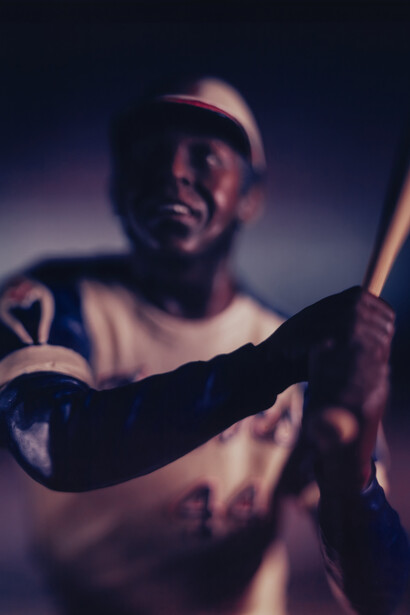
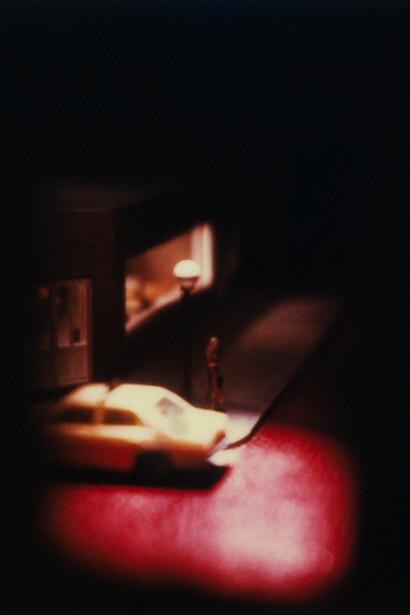
The exhibition at H’ART Museum presents six of Levinthal’s best-known series: History, Modern Romance, American Beauties, Baseball, Barbie, and Wild West. Together they show how Levinthal has developed over four decades while continually examining the memory of America’s past.
In the History series, he focuses on well-known moments in American history and reveals how historical events are transformed into myths through popular culture. One striking example is his reinterpretation of the famous Iwo Jima photograph: here, six toy soldiers raise a worn-out flag while looking directly at us. The scene feels familiar but is subtly altered, prompting us to question how these iconic moments have become embedded in our memory.
Toys are not innocent objects, but representations of the culture from which they come.
(David Levinthal)
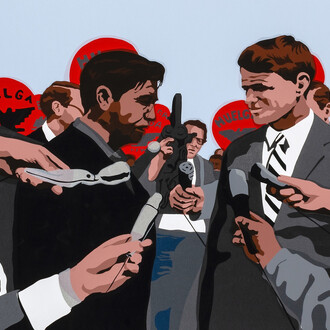
In Dallas 1963, based on the Zapruder film of John F. Kennedy’s assassination, Levinthal again plays with memory. He chooses the moment just before the president is shot. Jacqueline Kennedy’s pink hat immediately stands out—she becomes the focal point, while the rest of the scene blurs. And yet we recognize it instantly, due to the countless times this moment has been replayed in the media.
In his famous Barbie series, Levinthal explores representations of American femininity. Barbie—now a global icon—symbolizes postwar ideals of beauty and middle-class America. Levinthal presents her both as a cultural icon and as a subject of social critique. His photographs highlight the tension between the idealized image Barbie projects and her role in discussions surrounding gender and representation.
American identities
With the Levinthal exhibition, H’ART Museum sets the tone for its collaboration with the Smithsonian American Art Museum. In April 2026, the second joint exhibition will open: Radical histories: Chicano prints from the Smithsonian American Art Museum.
This exhibition presents the art of Chicanx printmak- ers—Americans of Mexican descent---who through their work assert multiple views of American history. Since the 1960s, they have played a significant role in major social movements in the United States. Their work blends activism, identity formation, and political visual language and has been scarcely seen in Europe until now.
H’ART Museum Director Annabelle Birnie: “Everyone has an image of the United States—whether you’ve been there or not. At the same time, that image is constantly shifting, and we’re always at a turning point. Our view is shaped by media, memories, and stories. With David Levinthal and the Chicanx artists, we show how artists are engaging with these perspectives and reshaping them, enriching the public imagination in the process.”’