English
 Español
 Français
 Deutsch
 Italiano
 Português
About eleven or twelve years ago, culture, weather, or bucket -list appeal were the main reasons why travelers selected destinations. These days, a new factor is the sole determinant for where the majority of vacationers travel to: the viability of climate. As weird as it may sound, by 2035, several iconic destinations might no longer exist. This reality is quite frightening and disturbing, especially when one considers the rate at which coastlines are shifting and glaciers are retreating. However, this is not merely a loss; it also has to do with transformation. As some destinations are fading away, others are emerging as winners that no one expected. The question is no longer about where to take a trip to, but whether, how, and even when we should travel.
The vanishing list: places disappearing before our eyes
There are a couple of destinations which are literally living on borrowed time. They are here today for anyone to visit. But there's no guarantee that they will be there in a few more years from now. Here are some of those destinations that are at high risk of vanishing before our very eyes:
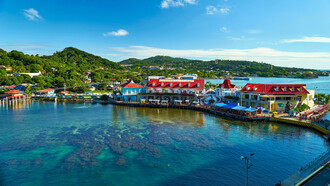
coastal cities: in order to tackle rising seas, Miami Beach has had to raise its streets. On the other hand, the floods in Venice are worsening.
coral reefs: since 2016 the Great Barrier Reef in Australia has experienced a loss of more than 50%. By the year 2030, snorkeling there may mean swimming over skeletons that have been bleached.
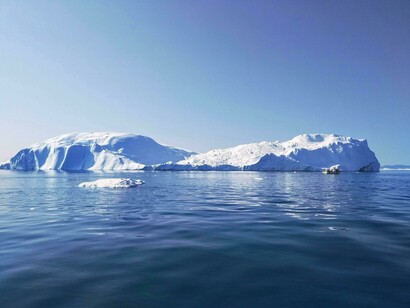
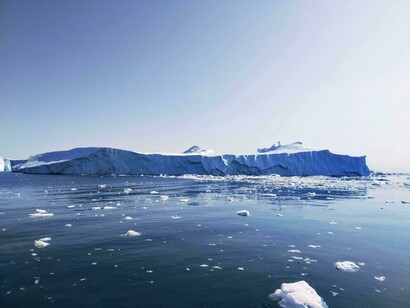
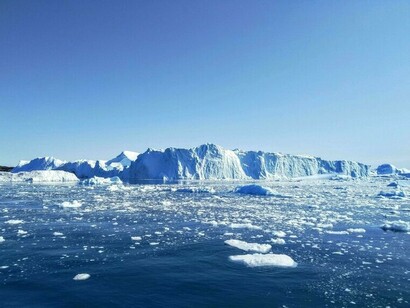
glaciers: by 2100, it is projected that the Aletsch Glacier in Switzerland could have vanished completely. Since 1980, the Perito Moreno Glacier in Patagonia has lost more than 60% of its mass.
The takeaway from all these worrisome projections? You must soon pay a visit to these places. And when you do, do so responsibly.
Climate’s unexpected winners: the new destinations emerging
Like we rightly noted earlier, even though some destinations are fading away, others spots are thriving and enjoying increased patronage. This new trend can sometimes be a surprise to vacationers. Here is a short list of some of these surprise spots that are catching travelers attention now:
Scotland’s “Climate haven” pitch: it might not come as a surprise to many that this destination is rebranded as a temperate escape. It's been well-known for its fewer heatwaves and milder winters.
Canada’s arctic cruises: expedition ships now have access to new routes as a result of the melting of sea ice. Travellers would have more to explore on voyages through these fresh routes.
Greenland’s wine country: a while ago, this destination was known to be dominated by nothing but ice. That scenario has changed rapidly as a result of warmer temperatures. This has now led to the birthing of vineyards.
As promising as these new destinations are, there is a twist to discovering them: they must strive to balance the opportunity that is available for them with overexposure.
The Season shuffle: Why your grandparents’ travel calendar is obsolete
Travel timing the traditional way is no longer applicable. Here are some instances that prove this:
Ski resorts adapting: Since 1970, the snow season in The Alps has shrunk by a whopping 34 days. Mountain biking and summer hiking are now being offered by many of these resorts to keep travellers and visitors engaged and interested in that travel destination.
overheated Mediterranean summers: July/August in Italy or Greece now means days where the temperatures are as high as 40°C (104°F). In the peak holiday season, locals no longer hang around but rather choose to flee from the cities. The September-October period is now the new ideal.
Pro tip: You'll not only be disappointed but also seriously misguided if you try to rely on any travel guidebooks from 2010. To be on the safe side, always refer to recent weather trends.
The ethical traveler’s dilemma: to visit or not to visit?
There is now a heated debate raging among travellers and travel enthusiasts. It goes something like this: Is it okay to tour places that have been labelled as endangered? Let's examine the arguments for and against it:
Arguments for visiting: When people see firsthand the changes that are taking place in a particular destination they would have the inspiration to take part in climate action. The huge dollar amounts spent by travellers on tourism provide funds for conservation efforts. A good example is the entry fees paid at the Galápagos.
Arguments against visiting: It can feel as if one is being manipulated and exploited by marketers of “Last-chance tourism” packages. These fading destinations are known for having fragile ecosystems. When crowds throng to such places it puts a strain on them. A good example is the moss fields of Iceland.
There is however, a middle ground. It is to deliberately choose to engage in visits that have low impact on those destinations. This means using local guides, visiting only during off-peak times, and travelling in groups that are small in size.
How the travel industry is reinventing itself
The travel industry is not comatose. They are very proactive and ready for the imminent changes that are bound to happen soon. There are a few ways in which tour operators, hotels, and airlines are adapting. Tour now offer “carbon ledger” trips during which travelers assist in planting mangroves. Many hotels have changed the way they operate in anticipation of the changes that are coming to these destinations. For instance, in Baja, they now make use of seawater AC. Also, in the Maldives, hotels with flood-proof designs are now being built. In order to avoid turbulence hotspots, airlines now trust new routes for getting to those destinations. While all these initiatives look promising, there is however, a catch. Some of these transformations are actually greenwashing. This is why only eco-programs that have been certified should be sought out.
2040 and beyond: The radical future of travel
With all the predictions outlined so far on the fate of our most adored travel destinations, the most logical question anyone would ask is: What is coming next? There are a few possibilities of what we can expect. For instance, the Virtual Reality “Travel” which would be a solution for travelers who want to take a trip to destinations that are too fragile to visit. There could also be Climate Voluntourism trips which would be concentrated on reef restoration or rewilding. Additionally, carbon Passports would place limits on annual travel based on carbon emissions.
With all of the possibilities outlined above, the big question is naturally going to be: Is travel going to turn into a right or a privilege?
Conclusion: traveling thoughtfully in a changing world
Climate change is not merely changing how destinations look today; it is completely transforming why and how we carry out our explorations. The previous model which was all about “seeing everything very quickly” is being replaced by a new ethos: travel deeper, tread lightly, and make wise choices. Some travel destinations need visitors to stay away from them. Others need visitors to survive economically. What would assist any traveler in knowing the difference between the two is research, respect, and a willingness to adapt. And where does this leave your next travel plans? Perhaps it's time to switch from that hotspot that is crowded and go for one that is emerging. Or maybe you should pay a visit to a wonderful that is gradually vanishing and in the process show your support for its preservation. Exploring the entire world is still your decision to make. However, the rules are rapidly changing today.
What do you think? Are you going to travel to a destination that is gradually disappearing? Or does it feel wrong to do so?