English
 Español
 Français
 Deutsch
 Italiano
 Português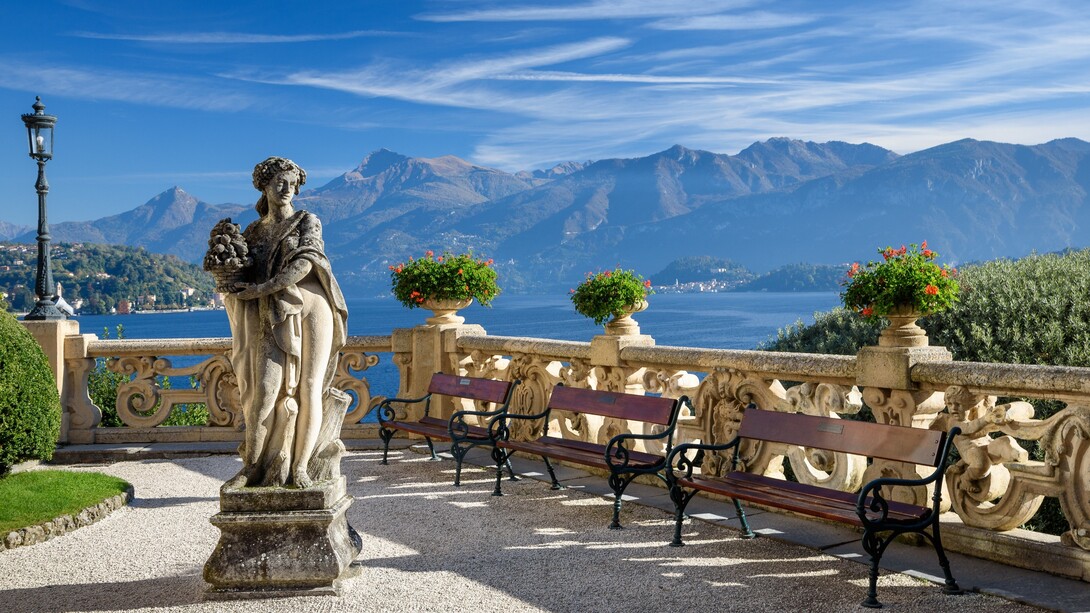
The promise of Lake Como began with a simple train ticket from Milano Centrale—a promise of calm waters, pastel villages, and the romance of northern Italy. But like all good adventures, it didn’t go as planned.
What was supposed to be a straightforward journey turned into a comedy of errors. Halfway through, a garbled announcement in Italian broke the peaceful hum of the train. Moments later, everyone began to move, gathering their bags and muttering under their breath. I followed the crowd and soon found myself standing in Lecco, where rail construction had interrupted the route. From there, hundreds of passengers squeezed into a replacement bus bound for Mandello del Lario. It was hot, cramped, and noisy—the very picture of Italian chaos. Yet amidst the confusion, I couldn’t help but smile. Travel, after all, has a way of humbling you.
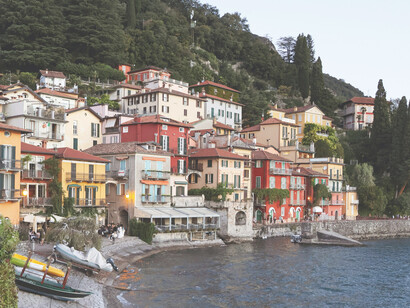
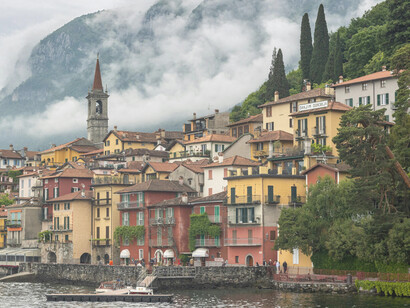
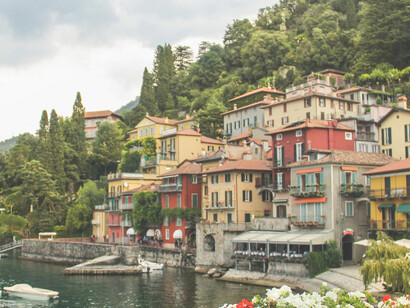
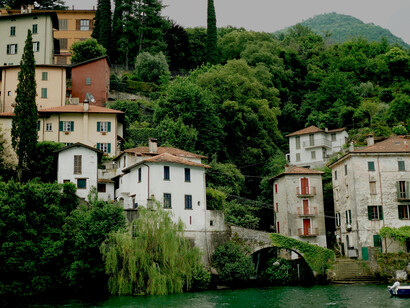
After what felt like an eternity, the bus stopped at another small station, and we boarded a final train. As we rolled along the lake’s edge, the scenery began to shift dramatically. The air grew cooler, the crowds thinner, and the views—utterly mesmerizing. When I finally stepped off the train at Varenna-Esino, everything suddenly made sense. Before me lay a landscape so perfect it could have been plucked from a Renaissance painting: the shimmering blue expanse of Lake Como, framed by snow-dusted peaks and dotted with sailboats drifting lazily under the sun. The pastel houses of Varenna tumbled down the hillside, their shutters wide open as if to greet the day. All the chaos of the morning melted away in that single, breathtaking moment.
My first steps in Varenna led me to the Passeggiata degli Innamorati—the Walk of Lovers. The path, suspended just above the lake’s surface, curved gently along the shoreline, its iron railings wrapped with climbing vines and bursts of bougainvillea. Every few meters offered a postcard-perfect view. Couples strolled hand in hand, elderly locals sat reading newspapers, and the rhythmic splash of the waves against the rocks set a soothing tempo. It was as if the lake itself was teaching me to slow down.
Eventually, hunger guided my next move. I found a small trattoria tucked between two narrow alleys, its outdoor tables shaded by lemon trees. From my seat, I could see the lake glimmering in the distance. I ordered a lasagna—my first ever pasta dish in Italy—and an Aperol Spritz so bright it could have been liquid sunlight. When the food arrived, it was perfection: layers of pasta, béchamel, and ragu melting together into a comforting hug on a plate. The waiter, a cheerful man with weathered hands and a perpetual smile, gestured toward the view and said, “Enjoy my office.” His words lingered in my mind. For him, this wasn’t just work—it was a privilege to live and breathe beauty every day.
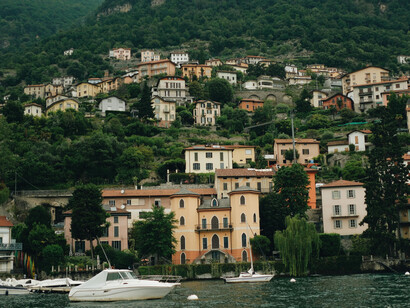
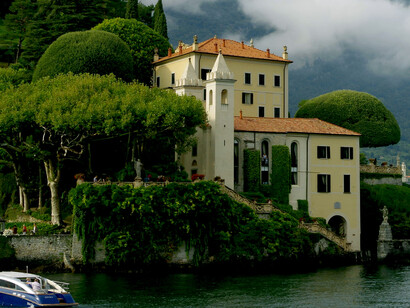
After lunch, it was time to explore further. I boarded a ferry bound for Bellagio, the fabled “Pearl of the Lake.” As the boat glided across the water, Varenna slowly receded into the distance, replaced by the stately villas and lush gardens that line the central shores of Como. Bellagio appeared like a dream—its elegant promenade lined with palm trees and grand hotels, its harbor bustling with life.
Stepping off the ferry, I immediately noticed the difference in energy. Where Varenna felt intimate and timeless, Bellagio exuded sophistication. This was a place of refined indulgence, where aristocrats once summered and artists sought inspiration. I wandered through the cobbled lanes, pausing to admire the intricate balconies dripping with flowers and the quiet charm of cafés spilling onto the streets.
But I had one mission in mind: gelato. I’ve always believed there’s a separate stomach reserved solely for dessert, and Bellagio seemed the perfect place to indulge. My search led me to a small, family-run gelateria down a side street, far from the main square. For three euros, I was handed a cup of pistachio and stracciatella—creamy, cold, and pure joy. I sat on a bench overlooking the lake as the sunlight danced on the water, savoring each bite.
Energized, I took on Salita Serbelloni, Bellagio’s most photographed street. The steep stairway was alive with color: salmon-pink facades, ivy-covered balconies, and artisan boutiques selling handmade leather goods and silk scarves. Every turn revealed another picture-perfect scene. Bellagio felt like an elegant film set where time moved more slowly and every moment demanded to be noticed.
As the afternoon waned, I boarded the ferry back to Varenna. The return trip was quiet and contemplative. The mountains loomed larger, their peaks glowing gold under the setting sun. The lake, now calmer, mirrored the sky’s changing colors—lavender, peach, and silver. There was something deeply meditative about that crossing, as if Lake Como itself was offering a gentle reminder: beauty often follows chaos.
Before catching my evening train, I made one last stop at Villa Monastero, a former convent turned museum and botanical garden stretching along the lakefront. The villa’s terraces overflowed with fragrant flowers—roses, jasmine, and hydrangeas—and every turn of the path revealed another spellbinding view. Standing there, surrounded by the hum of nature and the faint sound of lapping waves, I felt an overwhelming sense of peace.
My journey had begun in confusion and impatience, but it ended in stillness and gratitude. Lake Como had quietly shown me the art of dolce far niente—the sweetness of doing nothing. It wasn’t about rushing from one site to another or capturing the perfect photo. It was about letting the day unfold naturally, allowing beauty to find you when you least expect it.
As my train pulled away that evening, I looked out at the fading silhouette of the lake. The chaos of the morning now felt distant, even endearing. Because sometimes, the best kind of travel isn’t the one that goes perfectly to plan—it’s the one that teaches you to embrace imperfection, to find calm amid the storm. And in that way, Lake Como was the perfect teacher.