English
 Español
 Français
 Deutsch
 Italiano
 Português
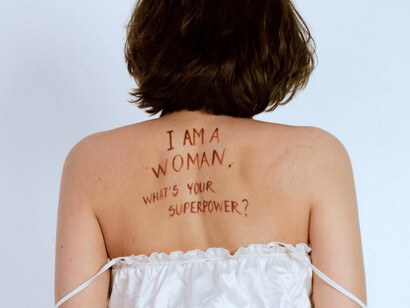
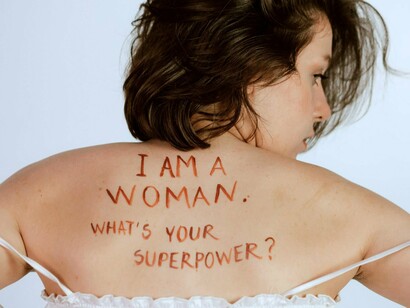
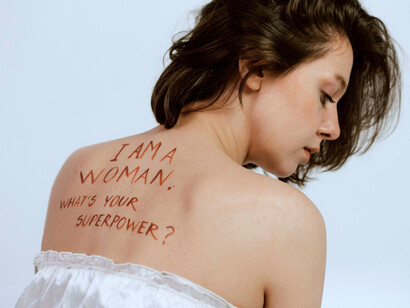
Empowering women isn’t just a matter of fairness—it's one of the smartest economic strategies the world is ignoring.
For decades, equality has been treated as a social issue-something nice to achieve if politics and budgets allow. But what if we began to see women’s empowerment not as a side project but as an economic waiting to happen?
The billion-dollar question
What if I told you that closing the gender gap in work could add $12 trillion to global GDP by 2025? Yes, trillion with a “T.” That’s not a feel-good slogan –that’s data. And yet, the world keeps leaving this trillion-dollar opportunity on the table because women are still held back by outdated systems, cultural barriers, and glass ceilings so thick they feel bulletproof.
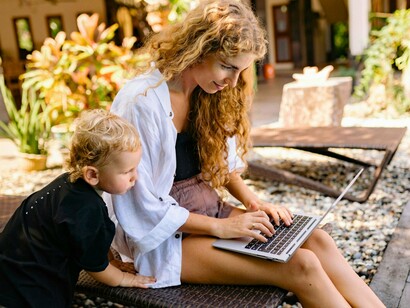
Behind every statistic are millions of women balancing households, caregiving, and careers, powering communities in ways that data rarely captures.
The truth is simple: when women work, economies win. But somehow, the world still hasn’t caught on.
From shadow to spotlight
For centuries, women’s labour was invisible—either confined to unpaid domestic work or quietly fueling industries without recognition or fair pay. Think about it: women farmed, cooked, raised children, cared for the sick, and still found time to contribute to small-scale economies. Yet history books call these contributions “help” rather than work.
From factory floors to classrooms to corner offices, women began proving what they have always known—that capability isn’t gendered. It wasn’t until the Industrial Revolution and later the feminist movement of the 20th century that women began carving out visible spaces in the workforce. And while we’ve come far from voting rights to boardrooms, the road remains unfinished.
Even now, many women stand at the intersection of ambition and limitation—ready to soar, yet restrained by invisible barriers.
Why the glass ceiling still exists
Today, women graduate from universities at higher rates than men in many countries, but the workplace doesn’t reflect that success. Why? Because systematic barriers still hold women back.
The pay gap: Globally, women earn about 77 cents for every dollar men earn. Same degree, same role, different pay check. Over a lifetime, that difference adds up to years of lost income and lost independence.
Unpaid labour: Women do 76% of unpaid care work worldwide—childcare, elder care, and household chores. That’s billions of hours of invisible labour every single day.
Cultural and political barriers: In some nations, women still need permission to work, own land, or access financial services. In others, biases simply make them “less hireable” or block promotions.
And then there’s the silent tax, the expectation that women should juggle it all—careers, caregiving, emotional labour—without breaking a sweat.
Society celebrates the “superwoman” but rarely asks why she has to be one in the first place.
Why women’s work changes everything
Here’s the magic no economist can ignore: when women thrive, entire societies thrive.
Families: A woman’s income often goes back into her children’s education, healthcare, and household stability. Studies show that when mothers earn, children eat better, stay in school longer, and communities grow stronger.
Communities: Women entrepreneurs create jobs, invest in local businesses, and inspire culture shifts. They tend to hire more women, creating ripple effects that transform entire regions.
National Economies: Countries that close gender gaps experience higher growth, stronger labor markets, and more resilient economies.
Diversity in leadership doesn’t just check a box—it drives better decisions, innovation, and profitability. It’s not charity—it's strategy. Investing in women is one of the highest-ROI decisions any nation can make.
Proof it works
Rwanda: After the 1994 genocide, women stepped into leadership roles, and today, Rwanda has the highest percentage of women in parliament in the world (over 60%). The country’s economic growth is one of Africa’s strongest.
Bangladesh: Women’s participation in the garment industry has transformed not just the nation’s economy but also social norms, giving women financial independence at unprecedented levels.
Nordic Countries: Nations like Iceland, Norway, and Sweden show how progressive family leave policies and gender-equal pay frameworks can create both happier citizens and stronger economies.
Even within developing regions, microfinance programs empowering women to start small businesses have shown dramatic effects-from reducing poverty rates to improving children’s nutrition and education.
The lesson is clear: when women are empowered, nations don’t just recover—they rise.
Future depends on inclusion
This isn’t just a woman’s issue. It’s a global survival issue. Economies are strained, populations are aging, and inequality is widening. Leaving women out of the equation is like trying to run a marathon with one leg tied up.
Gender equality needs to move from political rhetoric to policy reality. Women don’t need seats at the table as favours—they deserve them as equals.
So, what now?
Governments must reform outdated laws and invest in childcare, equal pay, and workplace protections.
Businesses must stop treating diversity as a PR move and start embedding it into hiring, leadership, and culture.
Individuals—yes, that’s us—must challenge biases, mentor women, and normalize men sharing the load at home.
Equality isn’t just about women doing more; it’s about men stepping up differently.
Women are not a side issue. "Women are half the sky, half the workforce, half the innovators, and half the future." The question isn’t whether empowering women works—it's whether we can afford not to.
Rewriting the story of power
The untapped potential of women is not a mystery. It’s not hidden. It’s sitting in plain sight, waiting for governments, companies, and societies to take it seriously.
Empowering women economically is not just about equity. It’s about rewriting the story of power—from one of exclusion to one of collaboration, resilience, and shared prosperity.
Because the truth is this: when women rise, the world doesn’t just change—it transforms.