English
 Español
 Français
 Deutsch
 Italiano
 Português
I first met Romain Saada when he arrived at the hotel where I worked in Dubai. I had been assigned to give him a hotel tour, a routine duty that could easily have been just another checklist item. But from the very first moment, it became clear that Romain approached the experience differently. He wasn’t simply observing spaces; he was feeling them. He asked questions not about processes or numbers, but about atmosphere, guest experience, and the invisible threads that make a hotel come alive.
That early encounter stayed with me, not because of the grandeur of the hotel, but because of Romain’s curiosity, creativity, and generosity, qualities that would go on to define his career. Over the years, I’ve watched him explore continents, cultures, and complex hospitality markets, always balancing strategic intelligence with a deeply human approach.
A proud Frenchman, Romain began his international hospitality journey in Dubai, where he co-founded RSVP Hospitality, a venture that showcased his creativity and ability to bring people and experiences together. He then refined his craft at Four Seasons Mauritius, blending luxury with warmth and precision with soul. Today, he serves as Director of Revenue and E-Commerce at Beau-Rivage in Geneva, a historic hotel where heritage and modernity coexist in delicate balance.
This conversation is not just about hotels, numbers, or awards. It is about the life of a hotelier, its challenges, joys, and the personal touches that define what it truly means to be in hospitality today.
Romain, before we speak about hotels, who are you when you are not a hotelier?
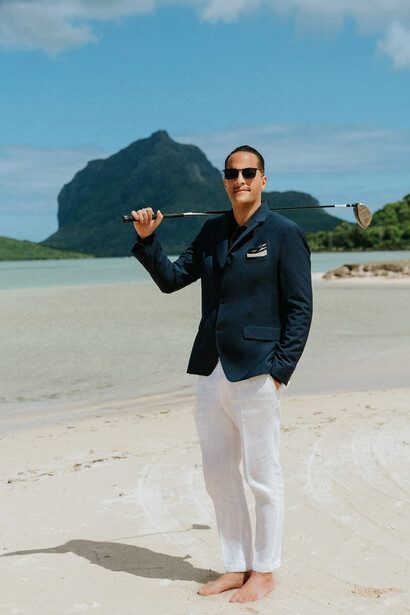
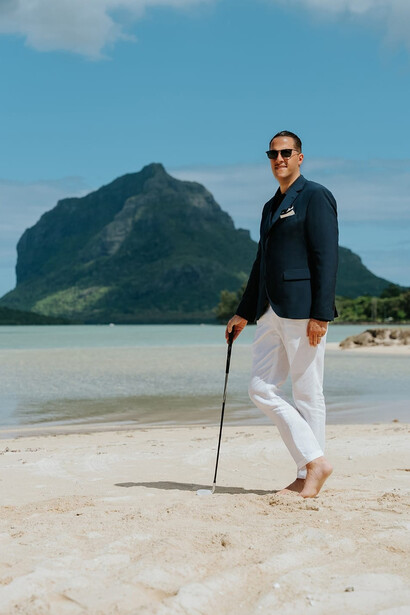
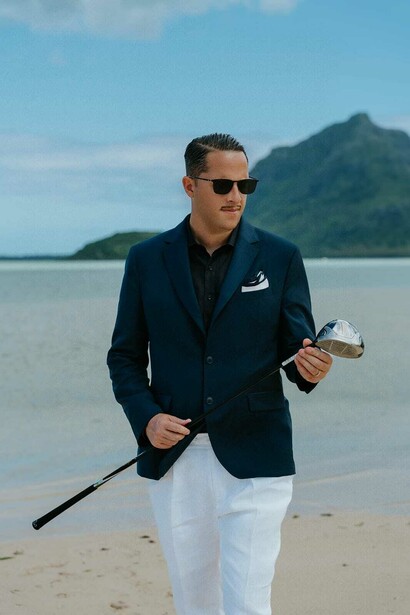
Outside the hotel world, I’m someone who values balance and quiet moments. I spend time playing golf and tennis, exploring the region, and taking long walks with my family and our dogs, not to escape, but to stay grounded and observant.
I’m naturally drawn to stories, to craftsmanship, and to the kind of beauty that reveals itself only when you slow the pace. Those moments of reflection inspire me just as much as my professional life; they keep me curious, centered, and connected to what truly matters.
Do you remember the first time you felt hospitality as an emotion rather than an industry?
I do. It was the moment I realized that hospitality is far more than a service exchange; it’s a form of recognition. Someone truly saw me, understood what I needed before I voiced it, and responded with a sincerity that went beyond procedure. It felt personal, effortless, and profoundly human.
What struck me most was how natural it seemed. There was no script, no formality designed to impress, just genuine attention and kindness. In that instant, I understood that the core of hospitality isn’t performance; it is empathy put into action.
That feeling stayed with me long after the details of the place faded. It showed me how emotional resonance can outlast any physical environment. And it quietly shaped my own philosophy: that our job isn’t simply to serve, but to make people feel acknowledged, comfortable, and genuinely cared for.
You’ve lived and worked in Mauritius, Dubai, Geneva, and France. Which place shaped you the most? And which one remains part of you?
Mauritius taught me human warmth in its purest form. The island has a natural generosity, a way of welcoming others that feels instinctive rather than learned. It showed me how powerful genuine kindness can be, in hospitality and in life.
Dubai pushed me to elevate my ambition. It’s a place where ideas scale quickly and expectations rise even faster. Working there taught me to think boldly, embrace innovation, and remain agile in an environment defined by speed and possibility.
Geneva refined my discipline. France shaped my identity. Geneva taught me structure, precision, and respect for consistency, while France, my roots, instilled my sense of taste, culture, and rhythm. That French sensibility remains deeply ingrained; it guides my perspective everywhere I go.
How do your French roots influence your approach to hospitality around the world?
My French roots taught me to see hospitality as a true craft. Elegance is never loud; it’s subtle, thoughtful, and precise. Service shouldn’t draw attention to itself; it should quietly elevate the guest experience. That philosophy shapes how I approach both service and leadership internationally.
Many think hospitality is about rooms, rates, and standards. What does being a hotelier truly mean to you?
To me, being a hotelier means curating experiences that go far beyond the physical product. Rooms and standards matter; they are the foundation. But the real craft lies in shaping what can’t be measured as easily: emotion, atmosphere, and anticipation.
A great hotelier transforms a building into a place where people feel genuinely welcomed, understood, and connected. That sense of belonging—that “sense of place”—is what guests carry with them long after they’ve checked out. It’s where hospitality stops being a service and becomes a memory.
How much of your daily work is numbers, and how much is instinct?
Data shapes the strategic foundation of my work. Numbers show trends, uncover opportunities, and reveal where the business is heading. They help keep us agile, competitive, and aligned with market realities.
But instinct brings the data to life. Numbers tell you what is happening; intuition helps explain why it matters and how to act. In a field driven by both analysis and emotion, that balance is indispensable.
Can hospitality be fully taught, or must it be felt?
Hospitality has a teachable foundation: operations, service standards, financial literacy, and the discipline needed for excellence.
But great hospitality requires something beyond coursework: a natural sensitivity to others, an instinct to serve, and a genuine desire to elevate and anticipate. The best hoteliers combine both: strong operational grounding and an inner drive that transforms knowledge into memorable guest experiences.
How does hospitality feel in each region you’ve worked in?
Dubai: bold, fast, forward-looking
Mauritius: intimate and emotionally generous
Geneva: restrained, elegant, rooted in tradition
France: blends ritual with artistry.
Where are the biggest differences?
Guests in Dubai look for innovation. In Mauritius, connection. In Geneva, precision. In France, authenticity. And leadership mirrors these expectations, from decision-making pace to how teams express service.
Hospitality is a 24/7 industry. Does a hotelier ever truly switch off?
Not entirely. The hotel becomes a kind of internal metronome; you carry its rhythm with you.
What is the emotional cost of that constant availability, and how do you protect your personal life?
The cost is subtle; your attention becomes a commodity. I counter that with small protective rituals: uninterrupted mornings, time outdoors, and moments with people who remind me who I am beyond the job.
What’s the hardest leadership decision you’ve ever had to make?
Letting go of someone who had strong skills but lacked alignment with the culture. Talent matters, but values shape everything.
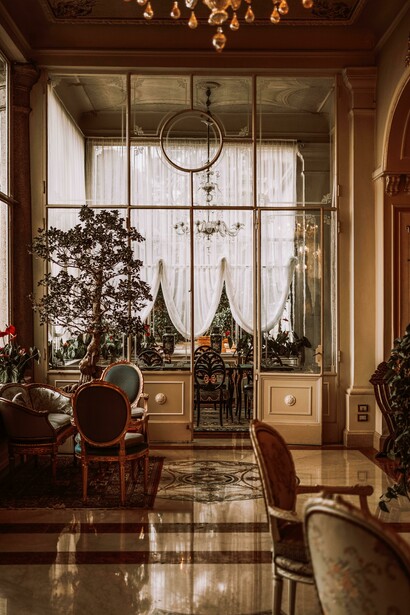
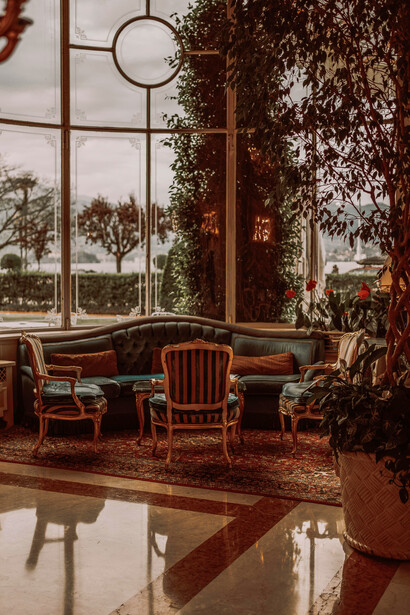
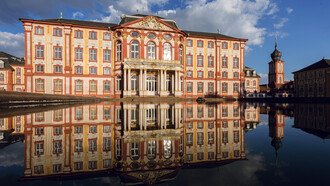
Beau-Rivage is a living museum. Do you feel like a steward of history?
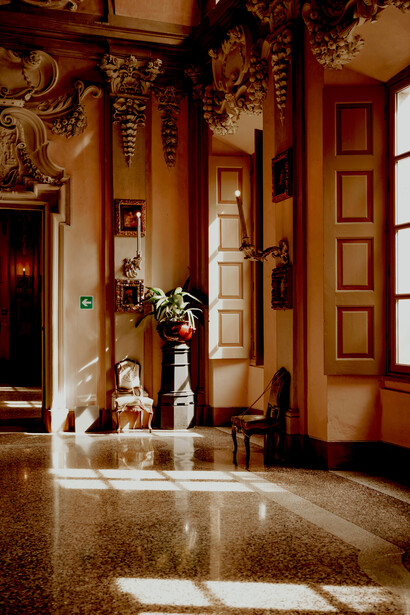
Absolutely. Being part of the Executive Committee and helping guide a property with such profound heritage requires humility. You don’t simply influence the hotel’s direction; you help safeguard and advance its story.
How do you balance tradition with innovation without betraying either?
By understanding that tradition provides identity, while innovation ensures relevance. They’re not opposites; they’re partners.
If you could redesign hospitality in historic hotels worldwide, what would you keep, and what would you change?
I would preserve authenticity, the craftsmanship, the lived stories, and the sense of place that makes these hotels unique.
What I would change is the rigidity that sometimes comes with tradition. Heritage should inspire us, not limit us. It should allow room for innovation and guest-centric evolution.
What does preserving heritage mean in a business context, and why does it matter to guests?
Preserving heritage protects the credibility and identity of the brand. It reflects continuity, cultural depth, and a long-term commitment to excellence. Guests may not always name it, but they instantly sense it: the sincerity, the craftsmanship, and the consistency over time.
That authenticity builds trust, and trust is one of the most powerful drivers of loyalty in our industry.
Technology, data, automation, and AI are all evolving rapidly. Can hospitality ever be fully digital?
It can certainly be elevated through digital tools, but fully digital? No. Hospitality is a human exchange. Technology should enhance the experience, not substitute it.
AI can optimize efficiency and tailor experiences, but it cannot replicate the emotional connection that defines outstanding hospitality, especially in the luxury segment. The human touch remains irreplaceable.
If you were to mentor the next generation of hoteliers, what would be your one rule?
Always lead with empathy toward guests, colleagues, and yourself.
And one belief the world needs to unlearn?
That luxury equals extravagance. Real luxury today is seamlessness, discretion, and attention.
What do you look for when you walk into a hotel as a guest?
Cohesion—a property where design, service, rhythm, and energy speak the same language. When that alignment exists, you feel it instantly.
After all these journeys, what does “home” mean to you?
Home is the place where you’re no longer performing. It’s where the world quiets, and you return to your truest self.
Author’s note
As our conversation came to an end, I found myself thinking about the quiet strength in Romain’s words. The way he describes hospitality isn’t technical or grand; it’s honest. “Elegance is never loud,” he said, and somehow that line stayed with me long after the interview ended. The same is true for his view on luxury: “Today, real luxury is seamlessness, discretion, and attention.”
Listening to him, I was reminded why some people leave a lasting mark on this industry. It’s not because they chase the spotlight, but because they understand the beauty of small, thoughtful details, the ones guests may never mention but always feel.