English
 Español
 Français
 Deutsch
 Italiano
 Português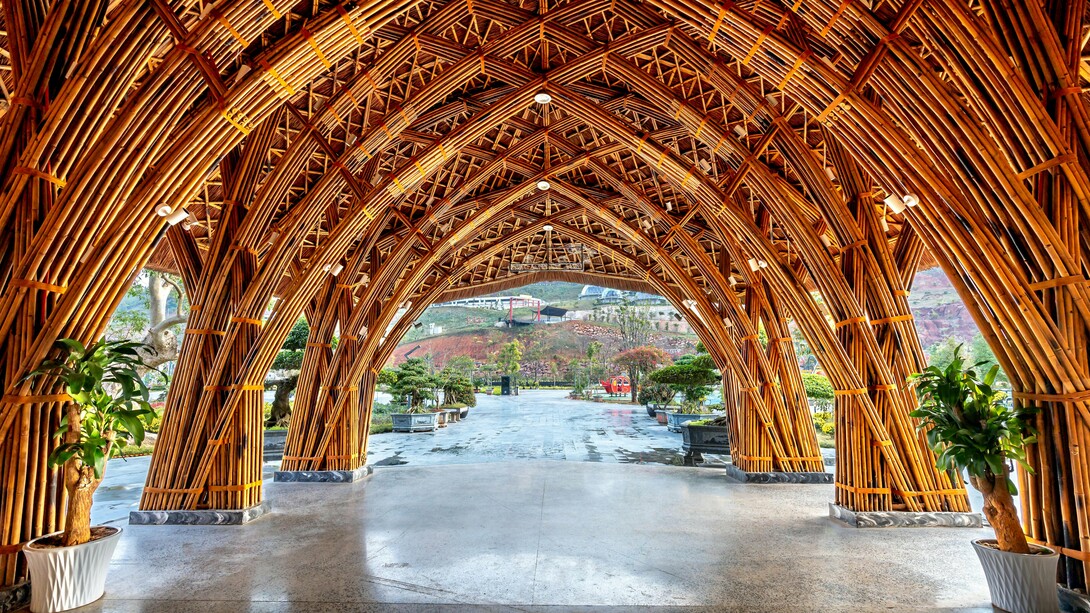
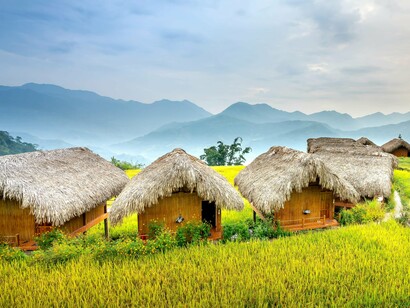
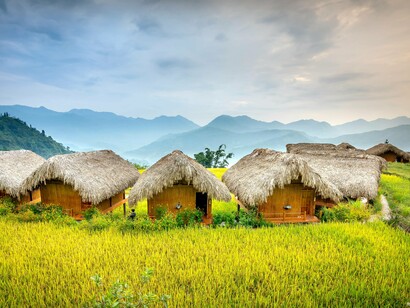
The construction industry grapples with its massive environmental footprint. Architects and engineers worldwide are rediscovering what many cultures have known for centuries. The world's fastest-growing grass—bamboo—is reshaping sustainable architecture, one building at a time. It may sound too good, but it proves that nature often has the best solutions to the world’s most pressing challenges.
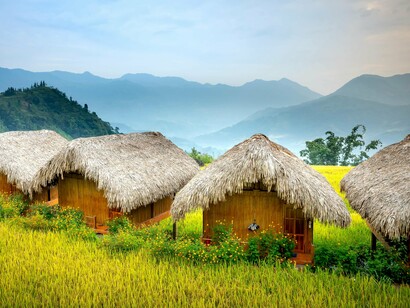
Bamboo isn't just a sustainable alternative to conventional building materials used in modern structures. It could be the future of green construction.
From rapid growth to ready-to-build material
The bamboo story begins in the ground. Unlike traditional timber, bamboo grows quickly, making it among the world's most renewable resources.
Growth
Most bamboo species reach full height in three to five years compared to at least a decade for traditional timber, making it incredibly renewable. The fastest-growing bamboo species can grow up to 35 inches or 91 centimetres, in a day1. However, speedy growth isn't its only superpower.
During its rapid growth phase, bamboo absorbs a lot of carbon dioxide and releases lots of oxygen into the atmosphere. This natural carbon sequestration process means bamboo structures can have a negative carbon footprint throughout their life cycle—a claim few building materials can make.
Harvesting
The journey from seedling to construction material involves careful timing and treatment. Harvesting typically occurs during the dry season when its sugar content is lowest, reducing the risk of insect damage. Traditional preservation methods involve soaking bamboo culms in water or treating them to enhance durability and pest resistance.
Processing
Modern processing is increasing bamboo's potential. Engineered products like laminated bamboo lumber and bamboo composites combine traditional knowledge with contemporary manufacturing techniques. These innovations address one of bamboo's historical limitations—standardization—while maintaining its environmental benefit.
Bamboo's tensile strength rivals that of steel while being much lighter2, making it ideal for structures that need to flex rather than break under stress. This flexibility proves especially valuable in earthquake-prone regions, where bamboo buildings can sway safely while rigid concrete structures might crack.
Bamboo in action: global architecture making waves
Today's bamboo architecture goes far beyond traditional huts and scaffolds. Contemporary projects are pushing the boundaries of what's possible with this versatile material, creating structures that rival conventional ones in both form and function.
These projects share a common thread. They don't try to make bamboo behave like steel or concrete. Instead, they embrace its natural characteristics—flexibility, tensile strength, and organic geometry—to create something new.
Bangladesh
Take Bangladesh architect Marina Tabassum, who was recently named one of Time magazine's 100 most influential people3 for 2024. Her innovative modular designs constructed entirely of bamboo demonstrate how this material can address sustainability and social responsibility. Tabassum's work proves that bamboo architecture can be beneficial and practical, creating affordable housing solutions while respecting local building traditions.
Riviera Maya
In Mexico's Riviera Maya, the Luum Temple is a testament to bamboo's structural capabilities. This architectural marvel is designed to withstand hurricane winds and significant seismic forces and features five intersecting hyperbolic paraboloids made entirely of bamboo arches and beams. Since its completion, the structure has successfully weathered several intense hurricanes, proving bamboo can perform under extreme conditions.
Phu Quoc Island
Vietnam's Phu Quoc Island Visitor Center showcases another innovative approach. The project employs negative space design principles, using bamboo's natural flexibility to create flowing architectural forms that defy gravity. The building demonstrates how modern engineering can harness the material’s unique properties to achieve structural integrity and aesthetic appeal.
The future outlook: challenges and boundless potential
Despite bamboo's impressive properties, scaling its use globally may come with some hurdles.
Challenge 1: building codes and standardization
Building codes in many developed countries have yet to catch up with bamboo's potential, creating regulatory barriers for architects eager to experiment. Standardization remains another challenge. Bamboo's natural variation means each culm is slightly different, requiring adaptive construction techniques rather than a one-size-fits-all approach.
Challenge 2: cultural perceptions
Cultural perceptions also play a role. In some markets, bamboo is still associated with temporary or low-income construction, despite mounting evidence of its durability and sophistication. Changing these perceptions requires continued innovation and high-profile success stories demonstrating its capabilities.
Challenge 3: natural irregularities
The opportunities for modern bamboo construction far outweigh the challenges. Climate change drives unprecedented demand for sustainable building materials, and bamboo checks all the boxes. It's renewable, carbon-negative, locally sourceable in many regions and infinitely versatile. Research into bamboo composites and hybrid construction systems continues to expand their applications, while digital design tools are making it easier to work with their natural irregularities.
Opportunity 1: economic and sustainable
The construction industry also recognizes bamboo as a sustainable material with economic potential. Building with bamboo can significantly reduce construction costs4 while providing comparable durability, especially in regions where bamboo grows naturally. This represents an opportunity for developing countries to do so sustainably without the massive material imports required for conventional construction.
Opportunity 2: local jobs and reduced transportation emissions
Perhaps most importantly, bamboo construction creates local jobs and supports rural communities. Unlike industrial building materials that require centralized manufacture, processing bamboo as a building material can happen at the community level, keeping economic benefits local while reducing transportation emissions. In addition to the reduced need for transportation exhaust when grown locally, it removes about 17 tons of carbon dioxide5 per hectare each year.
Opportunity 3: new ways of thinking and designing
The bamboo renaissance isn't just about swapping one material for another. It's about fundamentally rethinking how structures are built. Bamboo challenges architects to work with nature rather than against it, embrace flexibility over rigidity and consider the full life cycle impact of designs.
Building tomorrow, one bamboo structure at a time
As more projects demonstrate bamboo's capabilities and as building codes evolve to accommodate sustainable materials, bamboo is likely to move from the margins to the mainstream of construction. The question isn't whether bamboo will play a larger role in sustainable architecture—it's how quickly the industry can adapt to embrace it.
For architects, engineers, and developers ready to be part of this green revolution, bamboo offers a path toward truly sustainable construction. It's time to think beyond steel and start building with the grass that could help save the planet.
Notes
1 One Tree Planted, 8 Amazing Bamboo Facts, Meaghan Weeden, 14 January 2025.
2 Forever Bamboo, Bamboo vs. Other Building Materials.
3 Time, The 100 Most Influential People of 2024, Sarah M. Whiting, 17 April 2024.
4 International Journal of Productivity and Performance Management, Bamboo in sustainable construction: effects on productivity and safety, Oluseyi Julius Adebowale and Justus Ngala Agumba, 10 December 2024.
5 Renovated, Bamboo: 11 Reasons It’s a Good Construction Material, Rose Morrison, 14 October 2024.