English
 Español
 Français
 Deutsch
 Italiano
 Português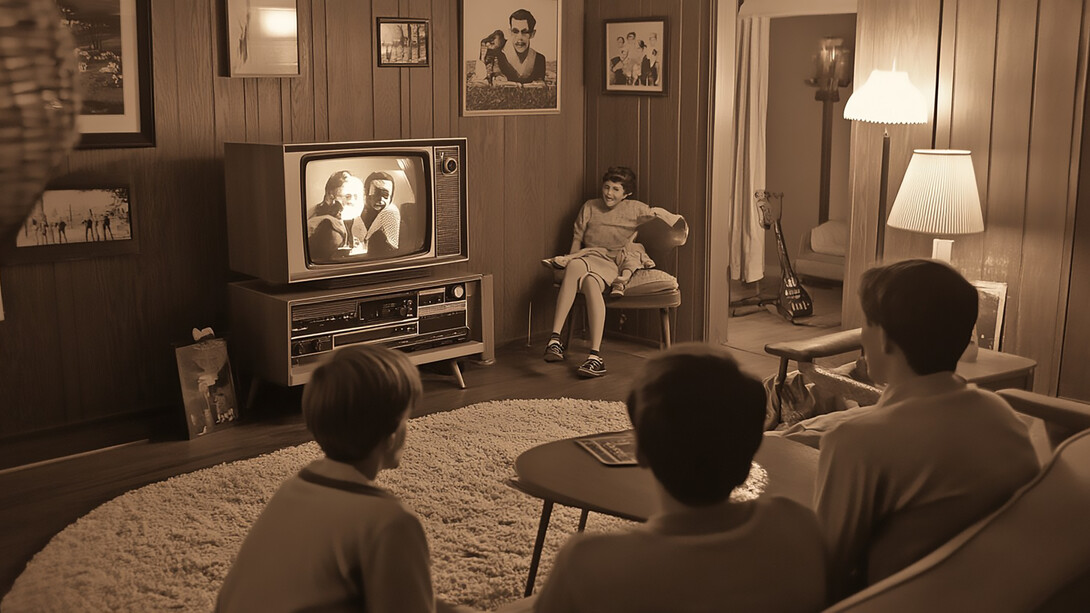
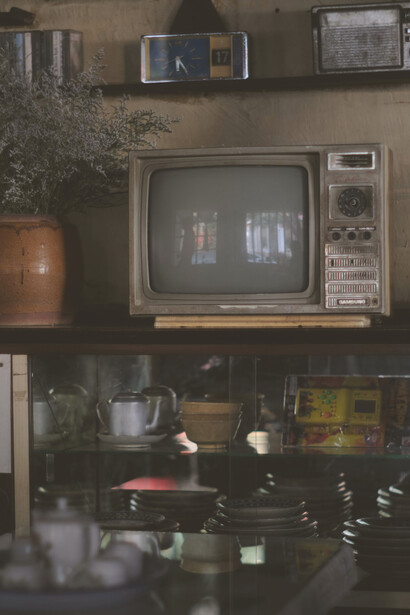
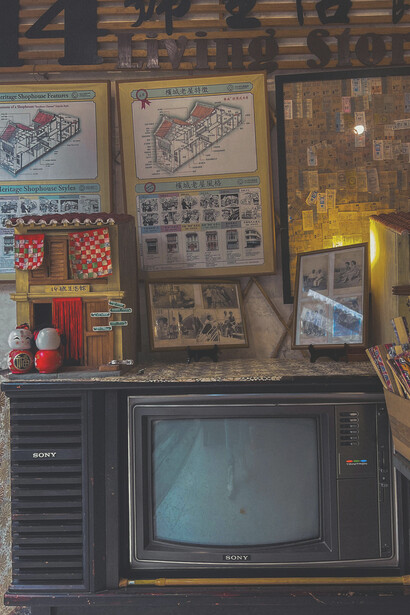
When the opening theme of Layali Al-Helmiya drifts through Egyptian living rooms, something magical happens. Conversations pause, eyes soften, and memories unfurl like old film reels. Suddenly, it’s not 2025 anymore—it’s the nineties again, and the heart of Egyptian television beats with warmth and wonder.
Across digital platforms and satellite channels, a wave of nostalgia is sweeping viewers back to an era when TV was more than entertainment—it was a shared ritual. Series like Lan A’ish fi Gilbab Abi (I Will Not Live in My Father’s Robes), Hadith Al-Sabah wal Masaa’ (Morning and Evening Talk), and Hawanem Garden City have found new life on streaming services such as Watch It and Netflix. Their revival is not simply a rerun; it is a collective yearning—a cultural homecoming.
A return to values and humanity
These dramas, crafted by Egypt’s golden generation of storytellers, were mirrors of society. They portrayed ambition, love, struggle, and dignity with an authenticity that transcended time. Viewers saw themselves in Abdel-Ghafoor Al-Borai, the humble merchant who built his fortune through persistence, or in the tender defiance of Fatma, his devoted wife, played by Abla Kamel with unforgettable grace.
They rejoiced with Metwalli Saeed’s rise in A’elat Al-Hagg Metwalli, sympathized with Hoda Hanem and Atta El-Marakebi, and found humor in Suleiman Ghanem’s endless feuds in Layali Al-Helmiya. These were not tales of luxury but of small dreams and large hearts—stories of Egypt’s middle class, the backbone of society now fading from much of today’s glossy television.
The digital revival
Ironically, it took the age of algorithms to resurrect the soul of analog television. Platforms like Watch It have launched dedicated sections titled The Masterpieces of Egyptian Drama, curating classics such as El-Shohada wal Domo’a (Tears and Glory), Raya wa Sakeena, Al-Wedood, and Wanees’ Diaries.
This digital revival bridges generations: older viewers reconnect with cherished memories, while Gen Z discovers the elegance of slow storytelling. Young audiences, born long after these shows first aired, are now quoting Abdel-Ghafoor’s lines and sharing scenes as memes—a fascinating fusion of nostalgia and modern digital culture.
For them, this isn’t just retro entertainment. It’s an initiation into a heritage of storytelling that carried moral depth, humor, and emotional sincerity—qualities that social media and fast-paced content rarely sustain.
The psychology of nostalgia
Psychologists say the phenomenon is rooted in emotional need. “When people revisit old series, they’re seeking comfort—a refuge from the uncertainty of the present,” explains Dr. Ahmed Magdy. “It’s not just about the plot; it’s about reliving a time when life felt simpler and more meaningful.”
Watching Layali Al-Helmiya again feels like leafing through a family album—each episode a photograph from an age of community and connection. Dr. Hisham Maged, another psychiatrist, adds, “The soul often craves return—to childhood, to youth, to the golden time before responsibilities. Old dramas bring back that serenity, that sense of belonging.”
In a fast-changing society where technology dictates pace and attention spans shrink, these stories remind viewers of a slower rhythm—one filled with patience, reflection, and shared values.
A mirror to modern weakness
Critics argue that the endurance of these series exposes the weaknesses of contemporary drama. “Today’s shows may trend for a week and vanish,” notes veteran critic Tarek El-Shennawy. “But works like Hadith Al-Sabah wal Masaa’ or Lan A’ish fi Gilbab Abi endure because they possess depth—moral, emotional, and artistic. They’re layered and timeless.”
Indeed, the strength of these classics lies in their craftsmanship. Writers like Osama Anwar Okasha and Ihsan Abdel Quddous created human tapestries woven with wisdom and realism. Directors like Ahmed Saqr gave their characters space to breathe and their audiences room to think. Each scene was composed like a poem; each line delivered like a truth.
That’s why their characters remain alive in the public imagination—Abdel-Ghafoor Al-Borai is not just a role; he’s an archetype of ambition, humility, and Egyptian resilience.
The resurgence of these shows is also shaping new creative directions in Egyptian entertainment. Contemporary writers and directors are revisiting the narrative depth and moral clarity that once defined the nation’s golden television era. Several modern series now borrow the slow-burn storytelling and multi-generational arcs of the classics, blending nostalgia with modern production quality. Even fashion, dialogue, and set design inspired by the 1990s are resurfacing in popular culture, reflecting a longing for authenticity. The past, it seems, has not vanished—it has simply found a new form, reminding Egypt that its truest artistry lies in stories that speak from the heart, not the algorithm.
A love letter to the past
The renewed affection for these series is not mere nostalgia—it’s a recognition of a time when media carried meaning. These dramas celebrated virtue without preaching, entertained without vulgarity, and connected people across generations.
In an age of endless scrolling, they whisper, "Slow down." Remember when stories had soul, when language had weight, and when television united rather than divided?
So, when Abdel-Ghafoor Al-Borai reappears on screen, in his modest galabeya and fierce determination, he carries more than a plot—he carries a nation’s longing for sincerity, empathy, and hope.
Because sometimes, to move forward, we must first look back—not to escape, but to remember who we were when stories still mattered.