English
 Español
 Français
 Deutsch
 Italiano
 Português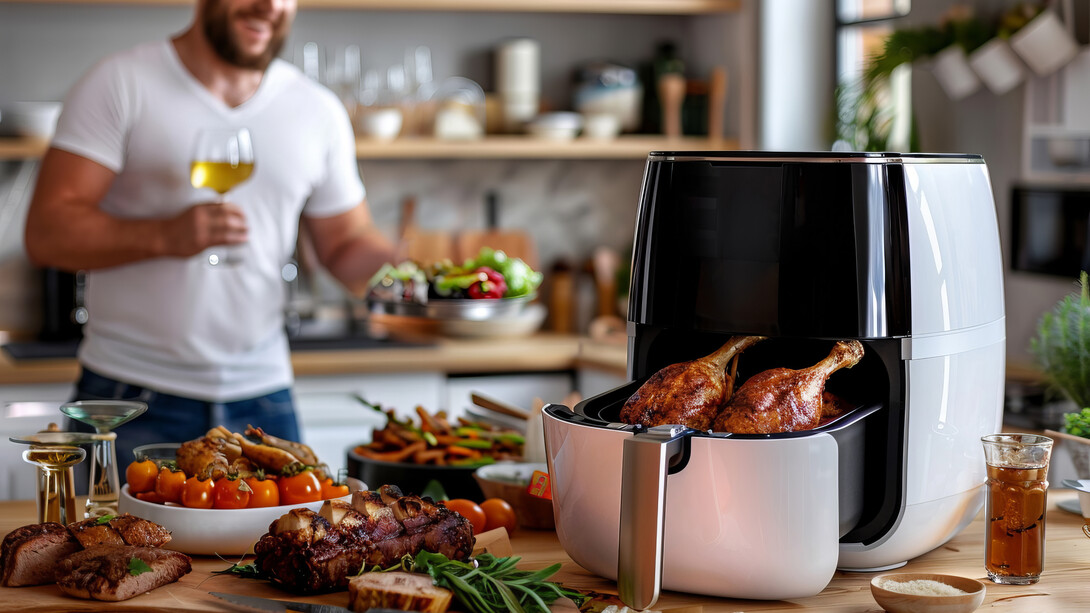
Italian kitchens are experiencing a quiet revolution. While the country's culinary traditions remain sacred, a new generation of cooking appliances is transforming how Italians prepare meals at home. Globally, "rethinking home cooking" generated 101 million monthly searches in 2023, reflecting a profound shift in consumer behavior driven by health consciousness, economic pressures, and post-pandemic lifestyle changes. In Italy specifically, 76% of consumers believe cooking at home is less expensive than buying ready-made products, creating fertile ground for innovative kitchen tools that promise to make home cooking easier, healthier, and more enjoyable.
The air fryer phenomenon
Air fryer sales in Italy are projected to expand from $30 million in 2025 to $54.1 million in 2035, reflecting a 6.1% compound annual growth rate. This growth, while measured compared to other European markets, is particularly significant given Italy's strong culinary traditions and initial skepticism toward appliances that challenge conventional cooking methods.
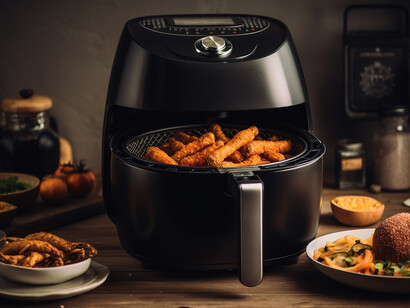
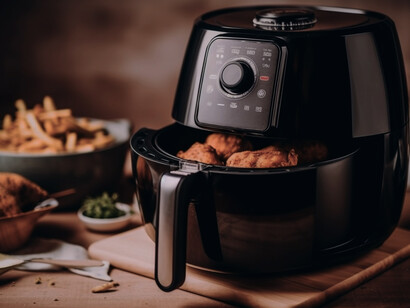
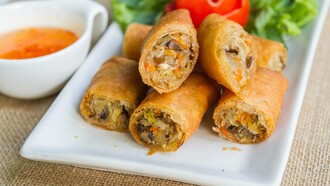
The global air fryer market has experienced growth driven by increasing health consciousness, with air fryers offering a healthier alternative to traditional deep frying by using minimal oil. For Italian consumers accustomed to fried delicacies like arancini, fritto misto, and zucchini flowers, air fryers present an appealing compromise—maintaining beloved flavors while significantly reducing oil consumption and calorie intake.
Meeting health and economic demands
The air fryer's success in Italy addresses multiple consumer priorities simultaneously. Health concerns drive adoption, with over 42% of American adults considered obese as of 2020, contributing to rising demand for healthier cooking appliances globally. While Italy's obesity rates are lower than America's, Italian consumers increasingly prioritize health—evident in findings that three of the top five consumer needs relate directly to wellness.
Economic factors equally influence purchasing decisions. In an inflationary environment, the ability to recreate restaurant-quality fried foods at home offers significant savings. Air fryers consume less energy than traditional ovens due to their compact size and efficient heating mechanisms, further reducing household expenses—a consideration that resonates strongly with Italian consumers managing rising living costs.
Design meets functionality
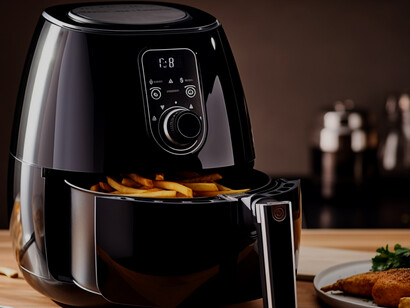
Design aesthetics matter significantly in Italy, with sleek, stylish models that complement modern kitchen décor showing stronger sales than purely functional designs. Italian consumers demand appliances that perform excellently while enhancing their kitchen's visual appeal. Manufacturers have responded with air fryers featuring elegant finishes, compact footprints suitable for smaller Italian kitchens, and intuitive interfaces that respect Italian cooking sensibilities.
Automatic air fryers dominated the market with 58.4% revenue share in 2023, displaying data on screens and featuring pre-sets and smart features like shake reminders and Wi-Fi connectivity. These technological enhancements make air frying accessible to users unfamiliar with the technology while offering experienced cooks precise control over temperature and timing.
Beyond air fryers: the broader kitchen revolution
The home cooking renaissance extends well beyond air fryers. The food vacuum machine market is experiencing growth fueled by rising popularity of home sous vide cooking and increasing adoption of vacuum sealing for food preservation. Sous vide cooking, once exclusive to professional kitchens, has entered Italian homes through accessible equipment that delivers restaurant-quality results with minimal effort.
The global domestic sous vide cooking machine market was worth approximately $145 million in 2022 and is predicted to grow to around $662 million by 2030. This remarkable growth reflects consumers' willingness to invest in tools that enhance their cooking capabilities. Sous vide's precise temperature control appeals particularly to quality-conscious Italian consumers who demand perfection in their food preparation.
Vacuum sealers complement sous vide equipment while serving additional purposes. The home vacuum sealer market, estimated at $500 million in 2025, is projected to reach approximately $900 million by 2033, driven by increasing consumer demand for food preservation solutions. For Italian households, vacuum sealing extends the life of seasonal ingredients, reduces food waste, and enables bulk purchasing—practical benefits that align with traditional Italian values of resourcefulness and quality ingredient preservation.
The meal kit movement
Meal kits represent another dimension of the home cooking evolution. The meal kit delivery market in Italy has seen significant growth, with Italian consumers increasingly interested in healthy and convenient meal options that can be prepared quickly at home. However, Italy's meal kit market faces unique challenges. Traditional Italian cooking remains deeply rooted in culture, with Italian supermarkets typically having far less space devoted to ready-to-eat food than in other countries.
In Italy, where traditional cooking remains deeply rooted in culture, meal kit adoption is growing but requires careful positioning that respects culinary heritage while highlighting practical benefits. Successful meal kit services in Italy emphasize locally sourced, seasonal ingredients and authentic recipes that honor regional traditions rather than attempting to revolutionize Italian cuisine. The ability to prepare lighter versions of traditionally fried foods or time-intensive dishes without sacrificing authenticity appeals to younger urban Italians balancing tradition with convenience.
Changing consumer profiles
Younger Italian consumers and urban households lead air fryer adoption, viewing them as time-saving solutions for weekday meals while maintaining traditional cooking for special occasions. This pattern reveals how Italians are integrating modern tools without abandoning culinary traditions. Weekday meals become opportunities for efficiency and health optimization, while weekend and holiday cooking retains its ceremonial, traditional character.
The demographic driving these changes consists primarily of dual-income households, busy professionals, and health-conscious millennials. These consumers value time efficiency but refuse to compromise on taste—a challenging balance that modern cooking tools increasingly manage to achieve. Their willingness to experiment with new appliances stems from confidence that technology can enhance rather than replace traditional cooking skills.
Market dynamics and distribution
The offline distribution channel dominated the air fryer market with 73.1% revenue share in 2023, as customers appreciate the ability to personally examine how appliances work before making significant investments. However, online channels are gaining ground, particularly among younger consumers comfortable with e-commerce and influenced by online reviews and demonstration videos.
Italian retailers have adapted by creating experiential in-store environments where customers can see appliances demonstrated, ask questions, and compare features. This tactile approach suits Italian shopping preferences while addressing concerns about investing in unfamiliar technology. Online platforms complement physical retail by offering competitive pricing, broader selection, and detailed product information that helps consumers make informed decisions.
Sustainability considerations
Environmental consciousness influences Italian consumers' appliance choices. Modern cooking tools appeal partly through sustainability benefits—air fryers' energy efficiency, vacuum sealers' food waste reduction, and meal kits' portion control all resonate with environmentally aware consumers. Manufacturers increasingly emphasize these benefits, recognizing that Italian consumers rank "produced respecting the environment" as their fourth most important need.
The sustainability narrative extends to packaging innovations. Reusable vacuum bags, recyclable meal kit containers, and appliances manufactured with eco-friendly materials address consumer environmental concerns while delivering functional benefits. This alignment of practical performance with environmental values strengthens the appeal of modern cooking tools in the Italian market.
Conclusion
The transformation of Italian home cooking reflects a sophisticated balancing act—preserving culinary traditions while embracing tools that make healthy, economical cooking more accessible. Air fryers, sous vide equipment, vacuum sealers, and meal kits are not replacing traditional Italian cooking; rather, they're expanding possibilities for when and how Italians cook at home. With 76% of Italians believing home cooking saves money and health-related needs dominating consumer priorities, these tools address practical concerns while respecting the culinary heritage that defines Italian food culture. The market's steady growth trajectory suggests that modern cooking appliances will become increasingly integrated into Italian kitchens—not as revolutionary changes, but as evolutionary enhancements to a cooking culture that continues adapting without losing its essential character.