English
 Español
 Français
 Deutsch
 Italiano
 Português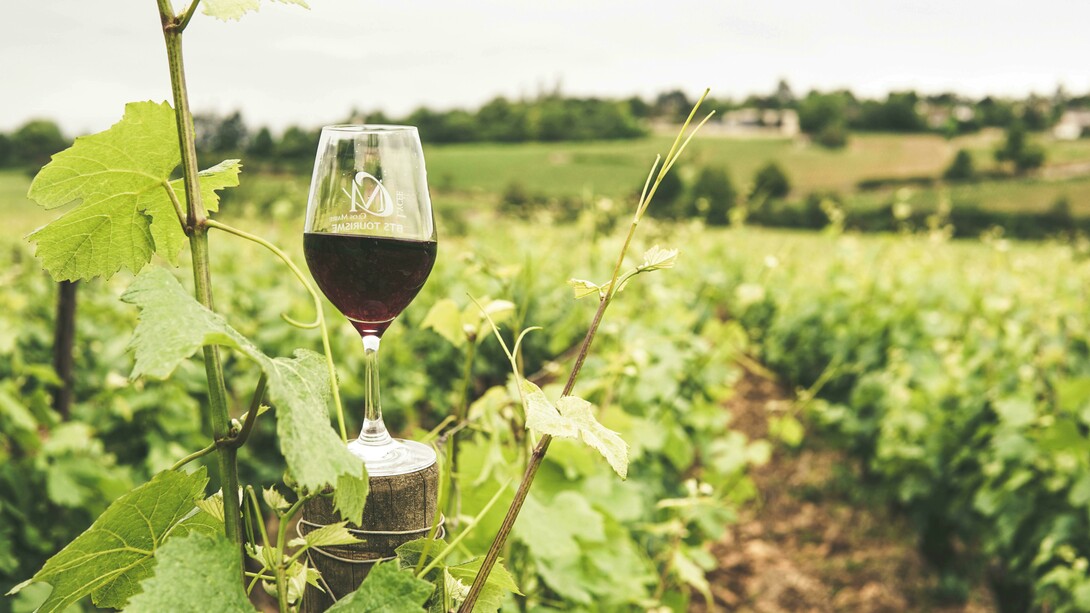
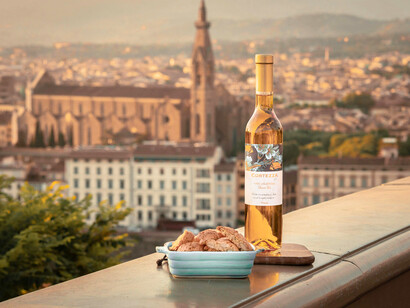
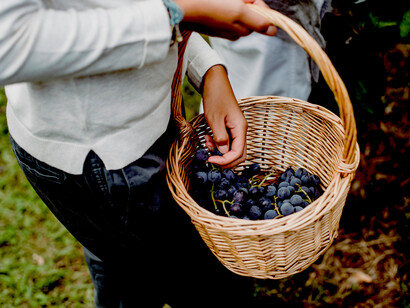
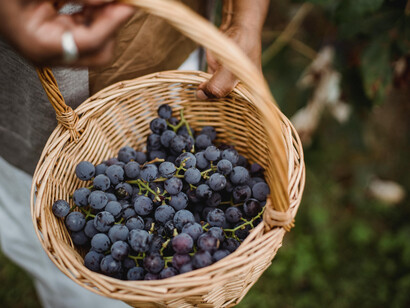
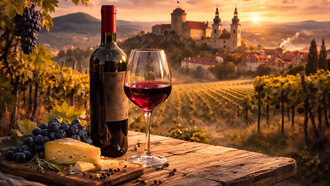
My biggest dream is to own a charming yellow brick house nestled in the rolling hills of Tuscany, surrounded by lush vineyards filled with plump, ripe grapes and elegant olive trees gently swaying in the breeze. I visualize a spacious terrace where I can soak in breathtaking panoramic views of the countryside while sipping on local Chianti wine and enjoying the delightful aromas of Mediterranean herbs growing in my garden. The house would feature beautiful terracotta tiles and large windows that invite in the golden sunlight, creating a warm and welcoming atmosphere. This idyllic retreat would perfectly blend rustic charm with serene beauty, a sanctuary where I can escape the hustle and bustle of everyday life and fully embrace the tranquil Tuscan lifestyle.
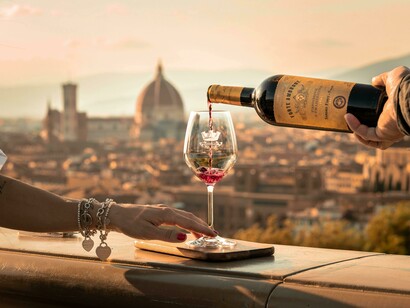
Speaking of which, I'm eager to delve into the captivating narrative of Chianti, a wine that holds a special place in my heart. Chianti is not just a beverage; it's a rich tapestry woven with history, tradition, and the stunning landscapes of Tuscany. With its bold flavors and vibrant aromas, each sip is a sensory journey that transports me to the sun-drenched vineyards and rolling hills that define this iconic region. When I take my first sip, I often close my eyes, letting the essence of Chianti envelop me as I conjure the picturesque countryside dotted with charming medieval villages and lush green vines dancing in the warm Italian sun.
The intricate notes of cherry, plum, and subtle earthy undertones evoke fond memories, reminding me of the warmth and camaraderie found in a rustic Italian trattoria, where laughter and good company flow as freely as the wine itself. In this way, Chianti isn't just a wine; it's an invitation to experience the beauty and culture of Tuscany with every glass.
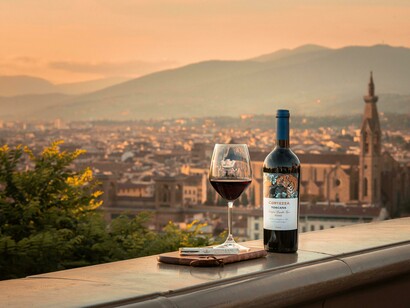
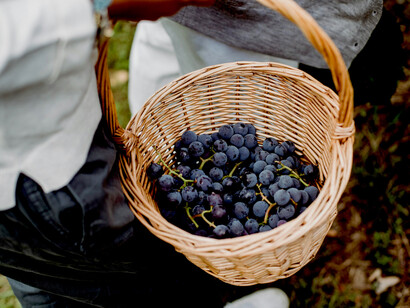
Chianti is a renowned dry red wine originating from the picturesque Chianti region, situated in the heart of central Tuscany, Italy. This wine is predominantly crafted from the Sangiovese grape, which thrives in the region's diverse soils and sunny climate. Chianti captivates the eye with its vibrant ruby hue, often deepening to garnet as it ages. The nose is a bouquet of enticing aromas, featuring ripe cherries and luscious plums, complemented by notes of violet, earth, and subtle spices like black pepper and cloves.
On the palate, Chianti is distinguished by its well-balanced acidity, which provides a refreshing quality, paired with rich, structured tannins that contribute to its longevity. The flavor profile is harmonious and complex, showcasing layers of red fruits, herbal undertones reminiscent of Tuscan countryside herbs, and hints of toasted oak from barrel aging. This multifaceted wine captures the very essence of Tuscany, making it an exceptional pairing for a wide array of culinary delights, particularly traditional Italian dishes such as pasta with marinara sauce, wood-fired pizzas, and grilled meats. Its versatility and depth make Chianti a cherished choice for wine lovers around the world.
Let's dive into the fascinating history of this wonderful wine.
The history of Chianti wine can be traced back to the 14th century, when viticulture flourished in the Chianti Mountains near Florence. Around 1250, a military alliance known as the Lega del Chianti (League of Chianti) was established among the towns of Castellina, Gaiole, and Radda, which contributed to the region's wine name.
In 1398, the first known reference to Chianti appeared, describing it as a white wine, although red wines from the area were also noted in documents from that time. The systematic classification of Chianti wine began in 1427 when Florence implemented a tariff system for wines produced in the surrounding countryside, including the region identified as "Chianti and its entire province."
In 1716, Cosimo III de' Medici, the Grand Duke of Tuscany, enacted an edict declaring the three villages of the Lega del Chianti, Castellina in Chianti, Gaiole in Chianti, and Radda in Chianti, along with Greve and a 3.2-kilometer stretch of hillside north of Greve near Spedaluzzo, as the only officially recognized producers of Chianti wine. This designation lasted until July 1932, when the Italian government expanded the Chianti zone to encompass nearby areas such as Barberino Val d'Elsa, Chiocchio, Robbiano, San Casciano in Val di Pesa, and Strada. Subsequent expansions in 1967 ultimately resulted in the Chianti zone covering a vast area throughout central Tuscany.
The Chianti region is not just about its wine. It's a place where time seems to stand still, where the rich history and culture of Tuscany are palpable in every corner. The charming medieval towns, the rolling hills, and the lovely vineyards all feel like a dream. My sister and I often think about moving there with our family. We imagine living in a rustic farmhouse surrounded by olive trees and grapevines. We picture growing our own food, from juicy tomatoes and fragrant basil to fresh herbs and bright vegetables. We dream of enjoying meals made from our harvest, celebrating the region's rich flavors. After a satisfying day, we can easily see ourselves laughing and sharing stories over a glass of Chianti. Its deep red color and fruity taste would pair perfectly with our homemade dishes. It's a beautiful lifestyle we both want to experience.