English
 Español
 Français
 Deutsch
 Italiano
 Português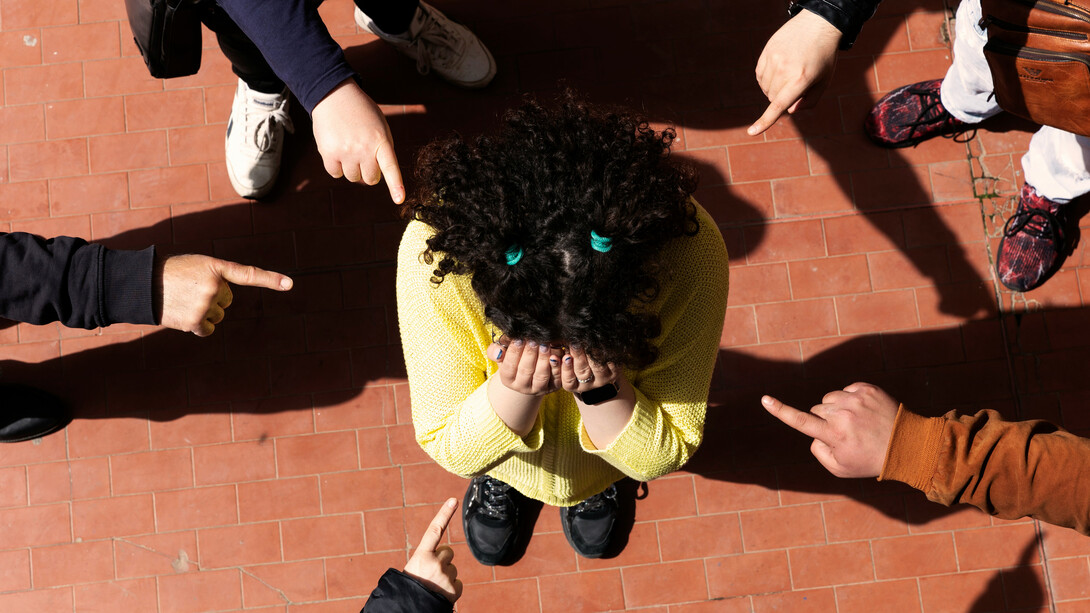
Over the years, speaking with my private clients, I have noticed a recurring theme. When I dig deeper into the psychology of their image and how they developed their current style or how they relate to clothes, most of their blockages come from traumatic experiences during childhood or teenage years.
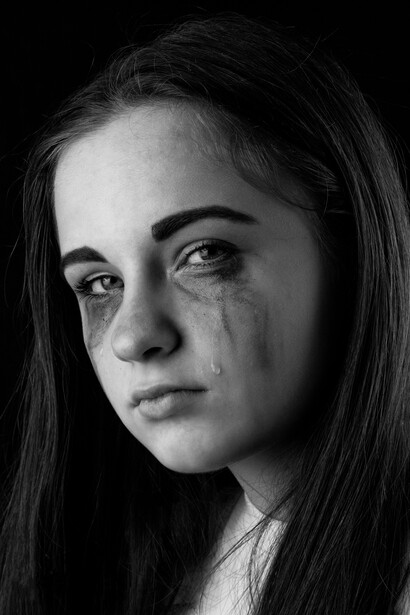
Very often, these experiences are linked to comments, judgments, sexualization, or bullying around their appearance. Fashion may look superficial at first, but for many, clothes can become the visible trigger of exclusion, rejection, and pain.
Clothes as social belonging in childhood
It is very clear that clothes show social status and belonging during childhood and teenage years. Logos, colors, and brands are often the markers of inclusion or exclusion.
Children from families with fewer resources are more likely to be ostracized simply because they cannot dress in the way that allows them to be accepted by their group. The result is a higher risk of isolation and rejection. From what I have observed with my clients but also in my own past, this leads to difficulties in relationships, negative self-image, anxiety, and in some cases, body hate, rage, and even suicidal thoughts. Some children go through years without a single real friend, wanting to hide, as the bullying pressure and finger-pointing can be so loud!
My own story of rejection
I can speak from personal experience. One day, after I had played with scissors and my hair at home, my mother had no choice but to cut my hair extremely short. She kept me in that boyish haircut for years, finding it “convenient” as washing my hair after school took no time and there were no more morning cries to untangle my curls.
That cost me to no longer be accepted by the girls at school. Combined with my round corduroy brown pants and navy turtlenecks, my appearance didn’t look “girlish.” Deep down, I dreamed of pink, glitter, skirts, and dresses. Girls didn’t play with me because I looked like a boy, and boys didn’t play with me because I was a girl.
I was six years old, and it lasted until I was 8, daily playing alone in the schoolyard! The rejection pushed me sometimes to aggressive, even violent, behavior toward my peers. Later, in another school filled with very wealthy children at 9 years old, the bullying continued. I remember walking around in a shiny pink-and-white jogging set from the ’80s about four sizes too big because my parents bought clothes “for when I grew,” hoping to save money by not having to buy a new one each year. They had little to no economy; I get that, but being a tiny girl, it looked enormous and really ridiculous on me. I hated it, and every day I felt ashamed.
My winter jacket was the same: too big, too childish, and humiliating to wear. It was only when becoming a teen, when I got allowed more freedom, that I started to reclaim my image and have more decision power over my appearance and that my social connections at school started to grow. After many years of pain, I took revenge in curating my unique style and working in fashion, hoping to help many fashion victims; being on the sideline for so long, I now felt unapologetic.
A client’s story: desperation to belong in high school
One client shared her story of being in a very posh, expensive school in the city center. There, little girls had new clothes every single day! They never repeated an outfit over the 365 days of the year at only 14.
She, on the other hand, was constantly mocked and ridiculed. Her family did not understand what was happening and dismissed it as unimportant, not exploring her needs behind her strange behavior, and as still being partly a kid at 12, she didn’t manage to properly speak out either. Desperate to belong, she tried to steal clothes from her older sister, which only created more tension and conflict at home that was misunderstood by the parents. She would cling to any small piece of clothing from a friend or sibling that could make her look “a little more cool” instead of the conservative and austere pleated dress and white good collars she had to wear every day.
For her, as for so many others, what adults saw as “just clothes” became a source of deep pain and humiliation. Her mental health being alone at school took a toss. She developed disgust and hateful rage towards her body and even started to feel suicidal, feeling like she wanted to throw herself from the window or disappear forever. Isolation and constant mocking from the cruel rich kids never stopped for years.
The need to belong and the cost of exclusion
As human beings, we need to belong. This is one of our fundamental needs before self-expression. If we do not have a tribe, our sense of survival and our emotional wellness are threatened. I am not saying that parents must buy their children all the expensive clothes they ask for. But I do believe parents have a responsibility to support their children’s self-respect, and that includes the way they are dressed.
Would we, as adults, accept being treated the way some children are treated because of their clothes? Would we go to work in oversized, outdated, or visibly “wrong” outfits without expecting judgment and hoping to not suffer it?
What schools could and should do differently
I also believe schools could take more responsibility and be a great support by being at the heart of the drama. Imagine if schools offered modules on image consulting! Teaching children how to express their uniqueness and how to create a simple, personal style no matter their background or budget with the right color, fit, and look, making them more confident to explore and create.
This is not vanity. It is a life skill. Many of my adult clients, both male and female, come to me later in life to learn how to dress and how to express themselves through clothes. They feel behind compared to others because they never had the chance to learn it during their youth. Many even say they don’t understand why we do not learn something that simple at school?!
If children had tools to understand colors, shapes, and what fits them and had the freedom to experiment and play with their image in a healthy way, they would grow into adults with a stronger sense of self and more resilience in the face of social pressure. This means fewer food disorders, less bullying, less victimization, less failure, etc.
My final thought
Fashion and bullying are more connected than we think and want them to be. For many, childhood memories of oversized jackets, missing logos, or the “wrong” haircut still echo in their self-image today. The perfect world of nice school friends is not about to happen; navigating social hurdles is part of growth. It is not the kids that are mean at school; it is also a lack of guidance behind the kids.
As women, professionals, and parents, we need to recognize that what looks frivolous can be life-shaping. Clothes are not just clothes; they are social signals, sources of dignity, or sometimes, scars that last for decades. What is a life hiding, feeling constant shame?!
If parents become more attentive, and if schools create space to teach self-expression through fashion, and if older siblings are more attentive to the smallest ones' needs, we could help future generations grow with confidence rather than shame, making them better adults with more true confidence in themselves, not just school logo copycats. And no, school uniforms are only part of the solution… The problem remains in school external social settings.
Fashion can hurt. But it can also heal. The choice is ours on how we want to support future generations.