English
 Español
 Français
 Deutsch
 Italiano
 Português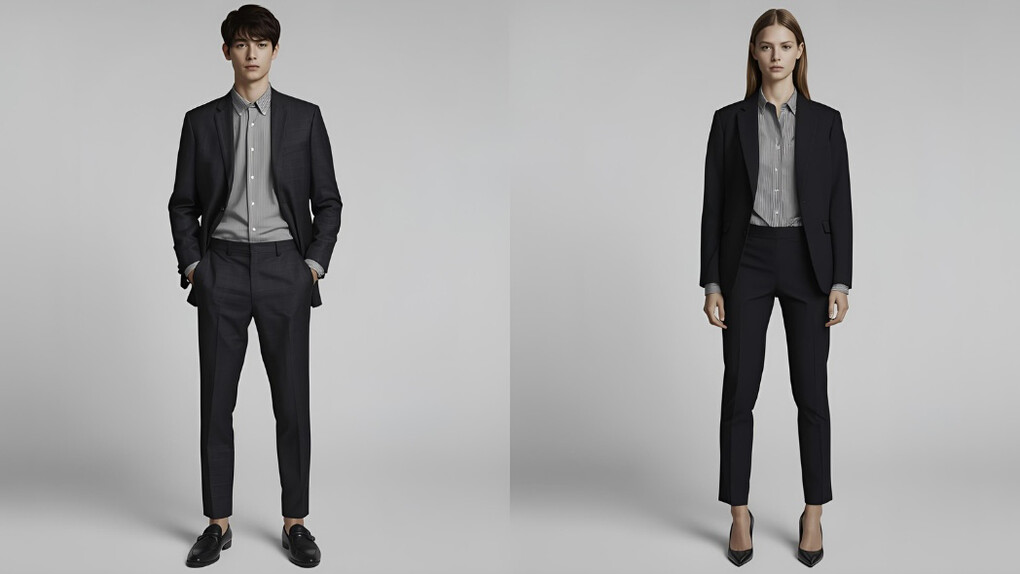
Fashion has long been a language of self-expression—but for decades, it was one spoken within rigid boundaries. Men’s wear and women’s wear were defined by distinct silhouettes, color palettes, and styling rules. Today, however, a growing movement is reshaping that binary system in favor of something more inclusive: genderless fashion. This is more than a trend—it’s a cultural shift, driven by designers, brands, and consumers who are embracing clothing as a space for freedom, identity, and self-determination.
Unisex clothing has existed for decades, often gaining momentum during moments of cultural disruption and social change. In the 1960s and 70s, against the backdrop of civil rights movements, second-wave feminism, and sexual liberation, androgynous icons like David Bowie and Patti Smith used fashion—bodysuits, tailored blazers, minimal makeup—to challenge rigid gender norms and promote a more fluid sense of identity. Their influence turned clothing into a powerful tool for rebellion and self-definition.
The 1990s saw another pivotal shift with the rise of grunge, a movement shaped by youth disillusionment and economic uncertainty. Grunge embraced oversized silhouettes, layered thrifted pieces, and a deliberately anti-fashion attitude that blurred gender distinctions. Figures like Kurt Cobain normalized femininity in menswear, proving that rejecting traditional masculinity could be both political and personal.
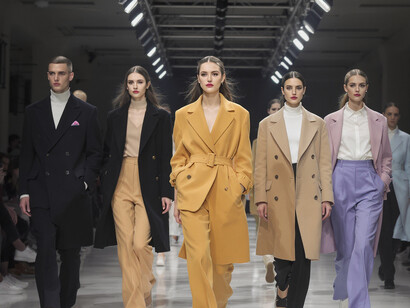
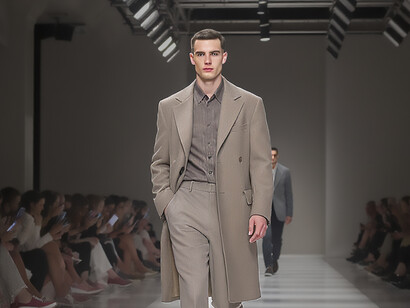
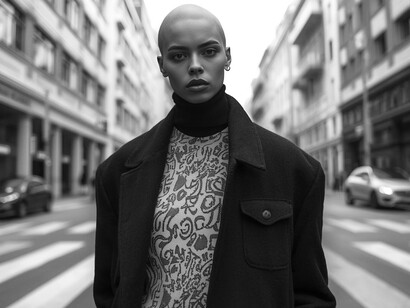
These cultural waves reveal that unisex fashion is not merely a stylistic choice but a reaction to shifting societal values. By blurring gender lines, fashion becomes a way to challenge norms, express individuality, and reflect a wider spectrum of identities. Today’s genderless collections—marked by neutral palettes, fluid silhouettes, and adaptable fits—are rooted in this legacy. Redesigned for a generation that understands gender as fluid rather than fixed.
The rise of genderless fashion is closely tied to broader societal shifts. As conversations around gender identity become more visible and nuanced, especially among Gen Z, fashion is evolving to reflect those changes. Younger generations are increasingly rejecting binary labels and using clothing to explore and affirm their identities. According to The Business of Fashion, Gen Z consumers not only gravitate toward gender-neutral fashion—they expect brands to embody values of inclusivity, diversity, and authenticity.
Celebrities and public figures have played a pivotal role in normalizing these shifts. Harry Styles has worn dresses and ruffles on magazine covers; Jaden Smith has modeled skirts for Louis Vuitton. Their visibility pushes fashion—and culture—toward a more expansive and accepting vision of self-expression.
Many contemporary designers are making genderless collections a central part of their brand identity, using fashion to disrupt tradition and promote inclusivity. Stella McCartney, a pioneer in sustainable fashion, has integrated gender-neutral garments into her collections, showing that ethics and inclusivity can go hand in hand.
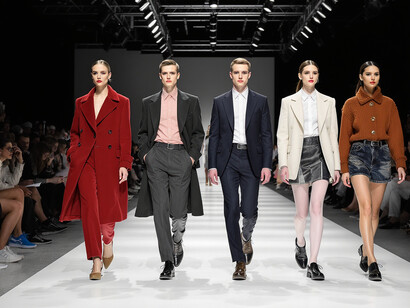
Under Alessandro Michele’s creative direction, Gucci embraced gender-fluid styling, with models of all genders walking in similar silhouettes, colors, and embellishments. Atlein, the Paris-based label by Antonin Tron, creates sculptural yet fluid pieces designed for bodies—not for genders—emphasizing movement over categorization.
British designer JW Anderson regularly plays with gender codes, sending male models down the runway in dresses and skirts while freely mixing traditionally masculine and feminine silhouettes.
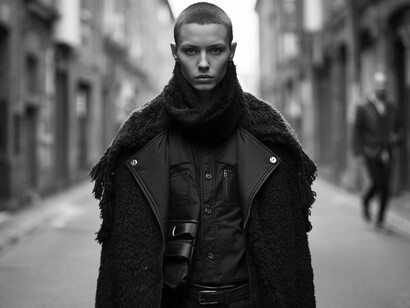
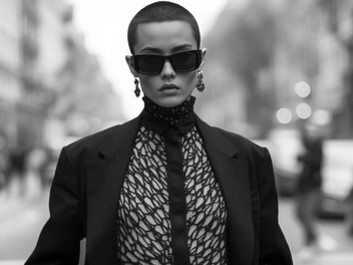
Similarly, Thom Browne has reimagined menswear through subversive tailoring, showcasing suits with skirts on both male and female models. Meanwhile, brands like Rick Owens and Balenciaga have embraced genderless aesthetics through their dystopian, oversized, and dramatic silhouettes.
Traditional retail spaces have long been structured around the gender binary—separating clothing into men’s and women’s sections. But as genderless fashion gains traction, some brands and stores are adapting. Concept spaces like Dover Street Market and e-commerce platforms like SSENSE now display collections without gender categories, focusing instead on aesthetics and individual style.
Mass-market retailers are also catching on. H&M, Zara, and ASOS have launched gender-neutral capsule collections, while streetwear labels like Supreme and Fear of God offer designs that naturally transcend gender. These changes not only reflect consumer demand but also help remove the anxiety or discomfort people often feel when shopping outside their “assigned” section.
True inclusivity in genderless fashion goes beyond androgynous looks or neutral colors—it requires rethinking the fundamentals of design. Many brands are beginning to offer extended size ranges, adjustable fits, and silhouettes that work across a variety of body types.
Unfortunately, many gender-neutral collections still skew toward traditionally masculine silhouettes—oversized, boxy, or utilitarian—which can leave little room for those who want feminine styles without gendered labels. Solving this imbalance is part of the next frontier for designers committed to truly inclusive fashion.
Genderless fashion also aligns with sustainable values. Clothing that isn’t restricted by gender can be more versatile, shared, and seasonless—reducing overconsumption and waste. Timeless, unisex designs tend to avoid trend cycles, increasing a garment’s lifespan and relevance. For ethically minded consumers, this flexibility enhances both ecological and personal value.
Some sustainable brands are now leaning into genderless design as a way to merge environmental consciousness with inclusive ethics, creating clothing meant to be worn often, styled freely, and owned longer.
While the movement is growing, challenges remain. Some brands risk treating genderless fashion as a marketing trend rather than a commitment, and luxury pricing can exclude many consumers from accessing these inclusive designs. Nonetheless, the momentum behind the movement suggests it’s here to stay—and will only deepen.
What was once fringe or radical is now fast becoming the norm. The rise of genderless fashion signals a future where clothing is no longer defined by gender but by individuality, emotion, and story. As designers, retailers, and consumers continue to break down binary barriers, fashion evolves beyond mere inclusivity to embody a deeper recognition of diverse human identities.