English
 Español
 Français
 Deutsch
 Italiano
 Português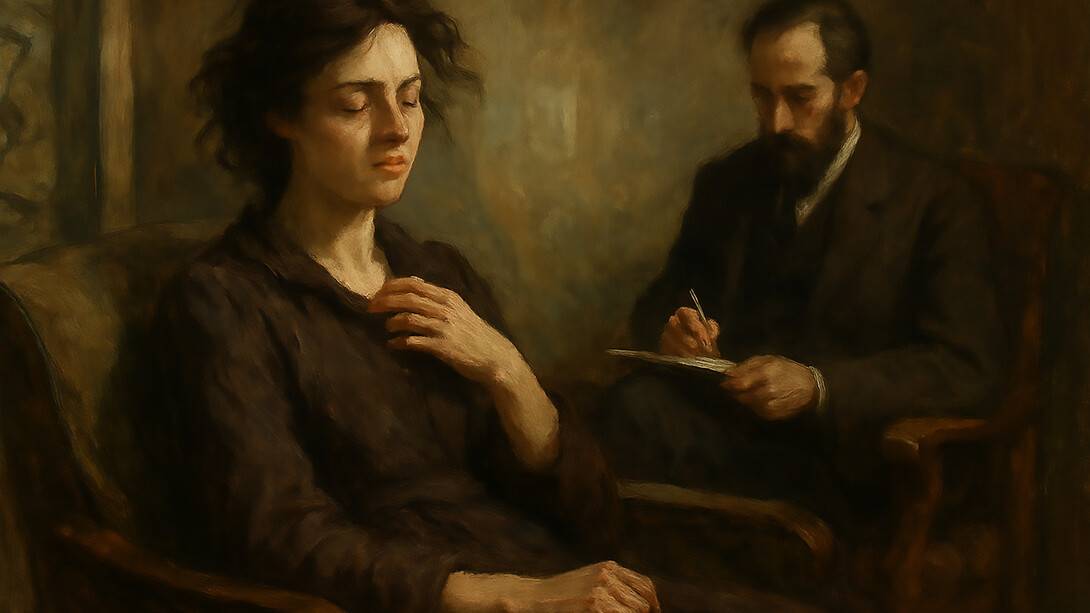
In March 2025, I finally got my hands on Emily Brontë’s Wuthering Heights, and it’s honest to say that I wasn’t prepared for the level of drama, toxicity, and chaos that the novel encompassed. I had heard that this book was quite depressing and gothic, but I was fairly taken aback by the characters’ actions and the dark turns the story took. As someone reading this novel in the age of therapy and such terms as ‘red flag’ and ‘toxic relationship,’ I kept imagining what it would be like if any of those characters went to therapy. Since that’s technically not possible, I am sending them to therapy myself, discussing their wrongs and giving my unsolicited advice on how to improve themselves.
Heathcliff
Heathcliff’s main issues include childhood trauma, abandonment problems, unhealthy romantic obsession, revenge addiction, unresolved anger issues, and even a gambling addiction. What he did wrong was making revenge his lifelong mission, ruining the lives of innocent people, forcing marriages, believing in ghosts, physically abusing multiple characters, and neglecting his own son. His therapy goals would be to resolve his traumas, learn how to cope with his emotions without hurting others, show affection without obsession, set life goals that don’t revolve around revenge, and most importantly, learn how to be a good parent.
Catherine Earnshaw
Catherine Earnshaw struggled with emotional instability, unhealthy romantic obsession, and gaslighting tendencies. She often threw tantrums to the point of making herself sick, married Edgar for social status even though she didn’t truly love him, and bullied Isabella for having a crush on Heathcliff despite being in love with him herself. In therapy, she would need to learn how to regulate her emotions, face her feelings honestly, and develop the skills to be a good friend.
Edgar Linton
Edgar Linton’s main issues were his passive reactions to nearly everything in the book, low self-esteem, and people-pleasing habits. He ignored Catherine’s open feelings toward Heathcliff, indulged her endless dramas, failed to fight for Linton, and even went no contact with his sister after she married Heathcliff. His therapy goals would focus on learning how to set boundaries, developing a stronger backbone, improving self-worth, and not settling for someone who doesn’t love him.
Isabella Linton
Isabella Linton’s struggles centered around ignoring Heathcliff’s many red flags, low self-worth, and an unhealthy obsession with so-called “bad boys.” Her mistakes included running away with Heathcliff even though she knew he wasn’t a good person, ignoring Catherine’s warnings about him, staying in a toxic relationship until it became unbearable, giving her son a name she knew Heathcliff would despise, and making Linton a direct target of his father’s hatred. Therapy for her would mean improving her self-worth, stopping the search for validation from toxic men, and becoming more aware of red flags in relationships.
Hindley Earnshaw
Hindley Earnshaw’s main issues were sibling jealousy, a fixation on revenge, unresolved daddy issues, severe anger problems, unhealthy coping mechanisms, and self-destructive behavior. He used his father’s death as an opportunity to humiliate and physically abuse Heathcliff, turned to gambling and alcohol to cope with his wife’s death, and neglected his son, allowing him to become a victim of Heathcliff’s revenge. In therapy, he would need to resolve his jealousy and parental issues, adapt healthier coping mechanisms, and learn how to be a good father.
Nelly Dean
Nelly Dean clearly suffered from a major case of not minding her own business, along with a gossip addiction and a habit of giving unsolicited advice. She constantly inserted herself into situations, influenced Catherine and Heathcliff in harmful ways, negatively affected outcomes, and spilled all the family drama to Mr. Lockwood. Her therapy goals would be to learn how to keep to herself, find new hobbies that don’t involve gossip, and tone down her dramatic tendencies.
Young Cathy Linton
Young Cathy’s issues included constantly seeking problems, low self-worth, impulsiveness, and questionable choices in lovers. She ignored her father’s warnings about Heathcliff and Wuthering Heights, lied to Nelly while using her sickness as an excuse to secretly meet Linton, put up with his crybaby behavior, and chose one cousin as a first romantic interest and another cousin as a second. In therapy, she would need to find hobbies that don’t involve scandal or drama, become more aware of her surroundings, set healthy boundaries, and build her self-confidence.
Linton Heathcliff
Linton Heathcliff’s problems were mainly his chronic “crybaby syndrome,” major daddy issues, low self-worth, and a constant pessimism. His mistakes were crying and whining in almost every scene he appeared in, keeping a negative mindset, and being ungrateful to Cathy even when she visited and tolerated his behavior. His therapy goals would involve resolving his father-related traumas, developing a positive mindset, setting personal boundaries, and becoming more self-sufficient.
Hareton Earnshaw
Hareton Earnshaw’s main struggles were major childhood trauma, neglect, and abuse. Honestly, he was the only character who didn’t really do anything wrong—he was simply a victim of others’ revenge games. For therapy, his goals would be to heal from trauma, learn self-love and confidence, and take responsibility for his own education.
Mr. Lockwood
Mr. Lockwood dealt with poor communication skills, a mild obsession with other people’s business, and a love of gossip. His errors included being unable to communicate properly with love interests, encouraging Nelly’s gossip sessions, and behaving awkwardly in almost every other situation. In therapy, he would need to set boundaries, mind his own business, and improve his ability to read social cues.
Despite the slight humoristic undertone of this article, I still do believe that Emily Brontë’s Wuthering Heights is a must-read if you’re going for the classics. It might seem a bit dark or slow at first, but after reaching a certain point, I was unable to stop flipping the pages to see what happens next. The drama is undeniable, but it’s fitting to the story and the main idea, and honestly, if there is one thing people love reading, it’s messy storylines with traumatized characters.
Reading the novel in the age of therapy and mental health awareness shows how these characters would have benefited from some sessions, emotional regulation, and hobbies that don’t involve ruining someone’s life. Crocheting, perhaps? However, since these characters are technically fictional and there is no such thing as time travel, we’ll have to keep watching Heathcliff act on his revenge game, Catherine make questionable life choices, and a general mess unfold on the Brontës’ pages.