English
 Español
 Français
 Deutsch
 Italiano
 Português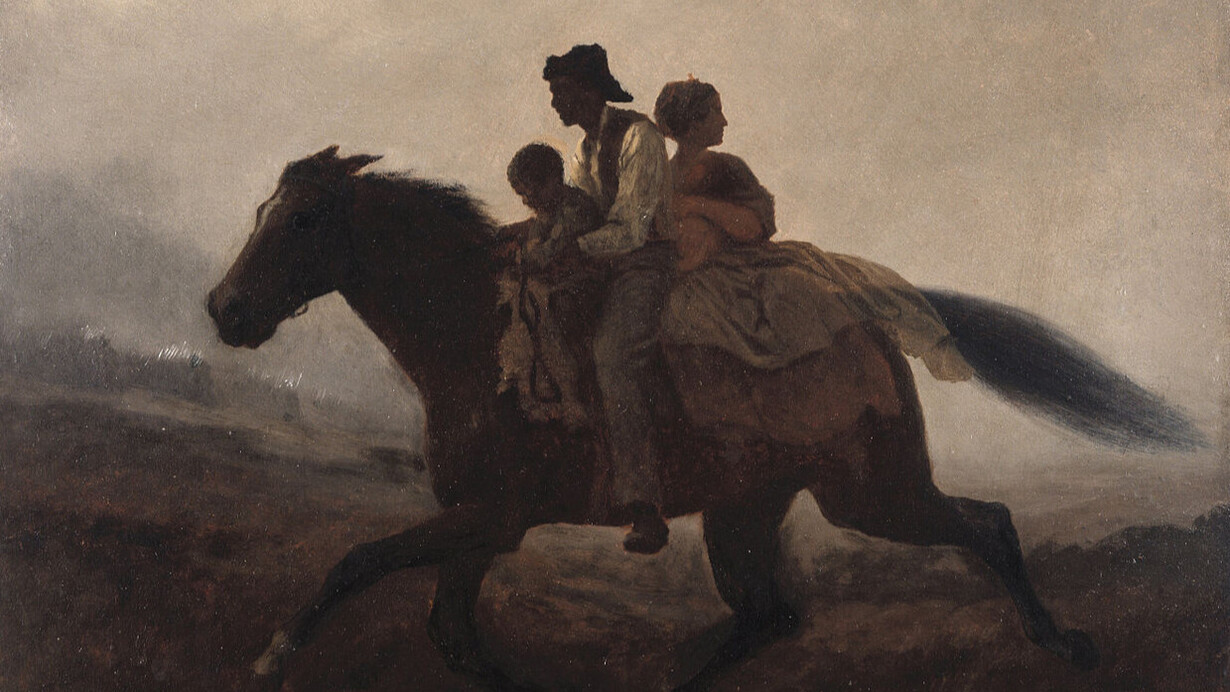
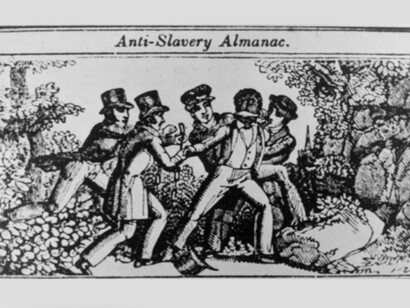
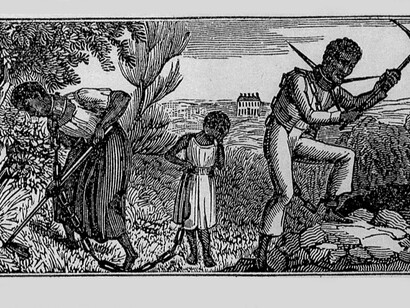
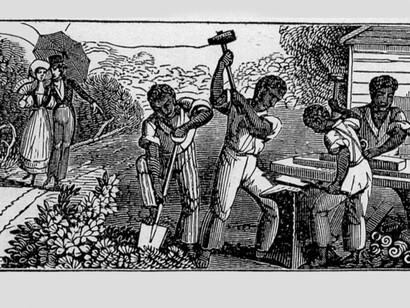
The current discussion in the media regarding controversy about whether museums should have exhibits that document the brutality of enslavement, the existence of memorials that promote the image of the faithful slave, and re-installation of statues of those who supported the slavery system makes the history of enslavement in the United States a critical topic to explore as we prepare for the 250th commemoration of America’s birth.
The topic of slavery has not been fully explored or examined in American history. Most destructive has been the historical narrative of the slavery system, based primarily upon mythology and untruths about the enslaved.
The most recent desire to tell the story of enslavement in the United States as a beneficent system for the enslaved provides a great opportunity to discuss the truth about slavery rather than a conciliatory narrative based upon false beliefs.
Two core beliefs undergird the conventional narrative of chattel enslavement in the United States. One belief based upon white supremacy ideology, which emphasizes the inferiority of Africans, and the other is a misrepresentation of biblical scriptures, allowed enslavement to become central to American culture.
African intellectual, cultural, and moral inferiority
The narrative used to rationalize the enslavement of Africans was their “innate inferiority,” the fact that they were not human. Africans were intellectually, culturally, and morally inferior. Africans were considered to be primitive, bestial, and uncivilized despite the beginning of civilization in Africa and the contributions of Africans to world civilization.
John Calhoun, the 7th Vice President of the United States, argued that “low, degraded, and savage” Africans had never attained a condition as civilized, improved, physically, morally, and intellectually except through enslavement. He was either ignorant of, or totally disregarded the fact that Ancient Africans provided the blueprint for the survival of the human species through agriculture and technology.
Most Africans enslaved in the United States came from West Central Africa, and were the descendants of ancestors who had centuries before (500-1591) created and resided in the empires of Ghana, Mali, and Songhai. Calhoun was certainly ignorant of the African migration and trade throughout the world before the European slave trade.
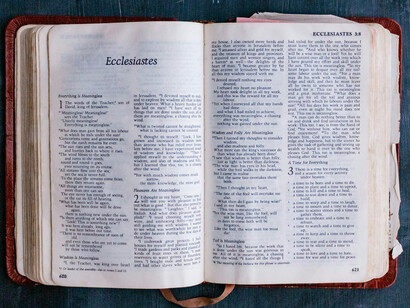
God’s will
The curse of Ham became essential to the justification of those with black skin to be held in bondage. While slavery has been a part of civilization since its beginning, only in the 16th century did race or the color of one’s skin determine a lifetime of servitude.
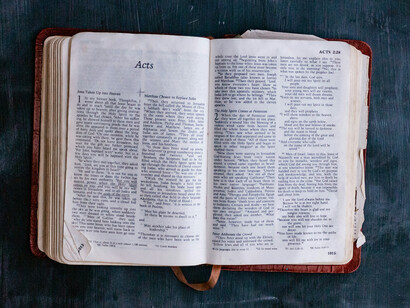
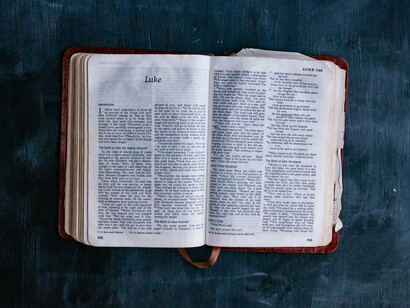
Racial enslavement was induced by economic gain. Religion and the Bible were the key arguments used by Christians to enslave Africans. They claimed the enslavement of Africans was ordained by God. Only through the enslavement process were these primitive savages civilized and primarily through being saved by Christians.
According to Norris R. McDonald, author of The Myth of the Black Ancestral Curse (2025), this biblical story of Ham was “transformed into a doctrine asserting that Black people were descendants of Ham and thus divinely condemned to servitude”. He states further that: “The myth of Black ancestral curse was never about God—it was about power. It served the empires, not the oppressed. It justified genocide, not grace.”
Economic and social stability
Two core beliefs and how they contributed to the system of slavery are rarely discussed. One is the economic benefit of enslavement to the colonies, North and South. It was the enslavement of Africans that was the foundation for America’s national growth and made America an economic power. Secondly, the dehumanization of Africans made it possible to maintain social stability in the colonies. James Henry Hammond’s “Mudsill theory” has relevance to the slavery system, as enslavement of Africans provided a level of security from the destabilization of the society through class warfare.
The yeoman farmers or average whites were given, as DuBois termed it, “a psychological wage” of whiteness. The color of their skin allowed those whose ancestors for generations had been peasants to finally be one with the elite class by virtue of skin color. They would not critically regard their position in society if they were above blacks. While they had to compete with free labor, the psychological esteem based upon their whiteness and fear of being equal with blacks made them supportive of white supremacy while being its tool.
It is meaningless for whites to protect the memory of enslavement by protesting that they never owned slaves or benefited from the institution. The “untold and untaught” truth is that every American, Black or white, has in some manner been affected by this false narrative. The core beliefs of African intellectual, cultural, and moral inferiority have been embedded in the collective American mind since they were used to justify the enslavement and dehumanization of Africans.
The belief in Black intellectual inferiority continues to negatively affect Black students, as low expectations are held of their achievement. Media stories that disproportionately represent Blacks as impoverished reinforce the belief in the cultural inferiority of Blacks as lazy and irresponsible.
The most enduring and pervasive beliefs relate to the moral inferiority, especially of the violent and criminal Black males. These erroneous beliefs, repeated and reinforced in our educational, law enforcement, media, and other societal institutions, are accepted as truth, not questioned, and thus remain part of the core belief system of the larger society.
Unfortunately, the beliefs based upon black inferiority and religion have been repeated and conditioned in the American mind so that they are prevalent and very real to many whites today. These beliefs have become part of the cultural fabric of America. According to author Shawn D. Rochester in his book The Black Tax: The Cost of Being Black in America (2017), “The vast majority of Americans harbor high levels of both conscious and unconscious bias against African Americans.”
In this series of “untold and untaught” history, we will examine beliefs based upon mythical and untrue narratives that supported the institution of enslavement in America, and which to this day continue to be culturally conditioned in the American mind.