English
 Español
 Français
 Deutsch
 Italiano
 Português
In a world where stress, pollution, and unhealthy lifestyles dominate our daily lives, the ancient science of Ayurveda offers a beacon of hope through a holistic and natural path to health. At the heart of this 5,000-year-old healing tradition lies Panchakarma, a unique, deep cleansing and rejuvenation therapy designed to restore the body's natural balance, detoxify impurities, and promote longevity.
What is Panchakarma?
Panchakarma is a Sanskrit term that translates to “five actions” or “five treatments.” These five therapeutic procedures are intended to eliminate accumulated toxins (Ama) from the body and restore the balance of the three doshas: Vata, Pitta, and Kapha. According to Ayurveda, disease is caused by an imbalance in the doshas and the buildup of toxins in the body. Panchakarma directly addresses these root causes, not just the symptoms, making it a profound method of healing and prevention.
The five procedures of Panchakarma are:
Vamana (Therapeutic Emesis).
Virechana (Purgation).
Basti (Medicated Enema).
Nasya (Nasal Cleansing).
Raktamokshana (Bloodletting).
Each treatment is selected and customized based on the individual's constitution (Prakriti), health condition, and the nature of the imbalance (Vikriti).
The stages of Panchakarma
Panchakarma is not a one-time therapy but a structured process comprising three main stages:
Purva karma (preparatory phase)
This is the pre-treatment phase, designed to prepare the body for detoxification. It includes:
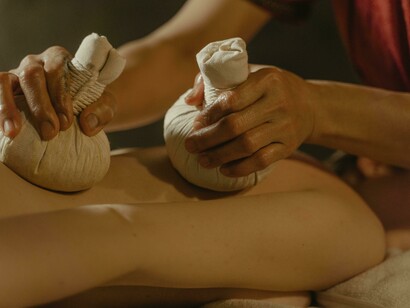
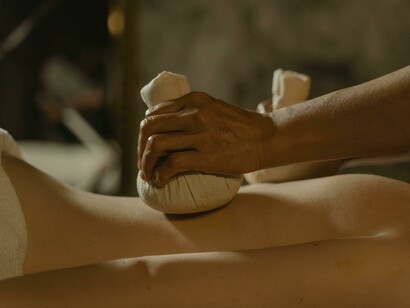
Snehana (internal and external oleation): the body is lubricated using medicated ghee (internal) and oils (external) to loosen toxins from the tissues.
Swedana (sudation or sweating): steam therapies help open the channels (Srotas) and move the toxins toward the digestive tract for elimination.
These steps help soften the body's tissues and mobilize the toxins stored in fat and other deep tissues, making them easier to expel.
Pradhana karma (main Panchakarma procedures)
This is the core of the Panchakarma therapy:
Vamana: indicated mainly for Kapha disorders like asthma, allergies, or chronic sinusitis. It involves medically induced vomiting to clear the upper gastrointestinal tract.
Virechana: used for Pitta-related conditions like skin disorders, acidity, or liver problems. It involves the administration of purgative herbs to cleanse the intestines.
Basti: often called the “king of treatments,” Basti is beneficial for Vata disorders. It involves medicated oil or decoction enemas to cleanse the colon and nourish the body.
Nasya: this treatment is focused on the head and neck region, helpful in treating sinus problems, migraines, and mental health imbalances.
Raktamokshana: though not widely practiced in all settings today, it involves controlled bloodletting to treat conditions like chronic skin diseases or gout.
Paschat karma (post-treatment care)
After detoxification, the body needs time to rebuild and regain strength. This phase includes:
Dietary regimen (Sansarjana karma): a graduated diet starting with light foods like rice gruel, slowly transitioning to a normal diet.
Lifestyle adjustments: rest, mindfulness practices, light yoga, and stress management techniques are recommended.
Rasayana therapy: rejuvenating herbs and tonics are administered to restore vitality, strengthen immunity, and slow the aging process.
Benefits of Panchakarma
The scope of Panchakarma extends beyond mere physical detox. Its benefits are multifaceted:
Physical benefits
Eliminates toxins and balances doshas.
Boosts metabolism and digestion (Agni).
Improves skin, hair, and overall vitality.
Relieves chronic ailments like arthritis, diabetes, asthma, and digestive issues.
Mental & Emotional Benefits.
Reduces stress, anxiety, and mental fatigue.
Enhances mental clarity, memory, and concentration.
Promotes emotional stability and better sleep.
Preventive and Rejuvenative.
Strengthens the immune system.
Delays the aging process.
Helps prevent lifestyle disorders.
Who can undergo Panchakarma?
Panchakarma is suitable for both the healthy and the ailing. In healthy individuals, it is done as a seasonal cleansing ritual traditionally at the junction of seasons (especially before spring and autumn) to maintain balance and prevent disease. In diseased individuals, Panchakarma becomes a therapeutic intervention, prescribed after proper Ayurvedic diagnosis.
However, certain conditions like pregnancy, extreme weakness, or acute infections may be contraindications. A qualified Ayurveda doctor should always assess the individual before recommending Panchakarma.
Modern relevance of Panchakarma
In recent years, Panchakarma has gained global recognition, especially in the context of integrative medicine and wellness tourism. Wellness centers and Ayurveda resorts in India, Sri Lanka, Europe, and the U.S. now offer tailored Panchakarma retreats, drawing health-conscious individuals from all walks of life.
Scientific studies have also started validating Panchakarma's benefits. Research from institutions like the Ayurvedic Institute in the U.S. and India’s CCRAS and AIIMS shows improvements in inflammatory markers, lipid profiles, stress reduction, and gut microbiota regulation after Panchakarma programs.
Panchakarma and lifestyle medicine
In the context of modern lifestyle disorders like obesity, metabolic syndrome, depression, chronic fatigue, and autoimmune diseases, Panchakarma offers a preventive and curative edge. When combined with yoga, meditation, and dietary modifications, it becomes a complete lifestyle intervention.
Unlike quick-fix detox diets or spa treatments, Panchakarma is rooted in deep knowledge of physiology, psychology, and spirituality. It not only purifies the body but also reeducates the mind and emotions, aligning the individual with their true nature.
Conclusion
Panchakarma is not just a therapy; it is a journey of self-renewal. It helps us reconnect with our body’s innate intelligence, restoring health from the inside out. In a time when chronic diseases and burnout are at an all-time high, the ancient wisdom of Panchakarma offers a much-needed antidote.
Whether you are seeking healing, vitality, or spiritual clarity, Panchakarma can be a transformative experience. When administered under expert supervision, it empowers individuals to reclaim their health, slow down aging, and live in harmony with nature, true to the essence of Ayurveda.