English
 Español
 Français
 Deutsch
 Italiano
 Português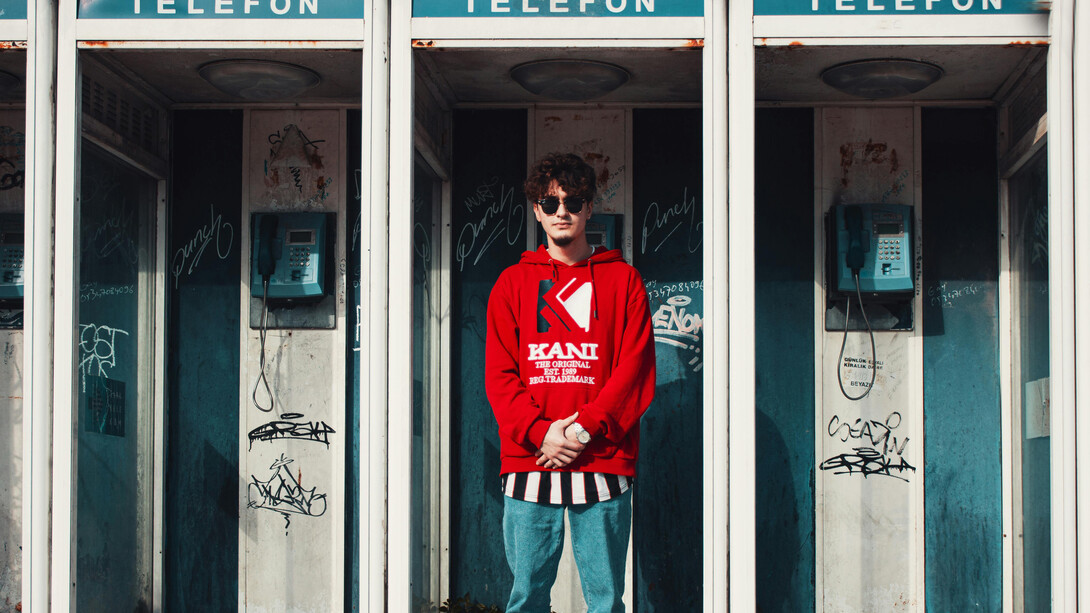
A summer evening. I’m slowly returning from another run. Dusk is setting in. The orange arc of the setting sun against the dark mountains reminds me of a scene from The Martian. Everything around me is bathed in warm ochre tones, as if the world, for a moment, becomes otherworldly, mysterious, and endless.
I glance at my step tracker, and it cheerfully reports 14,000 steps—a small thing but satisfying. With a light sense of triumph, I pull out my phone and record a voice message to a friend who lives in another country, thousands of kilometers away.
We talk about migraines, kids, work, and holidays. About recipes, psychosomatics, and relatives. About fitness, Zoomers, and so much more. We don’t need to live next door to feel close—the thread we’ve maintained for decades is invisible, yet strong. It carries friendship, tenderness, and a voice that knows you to the smallest detail.
The next morning begins with a ritual that has become part of my everyday life.
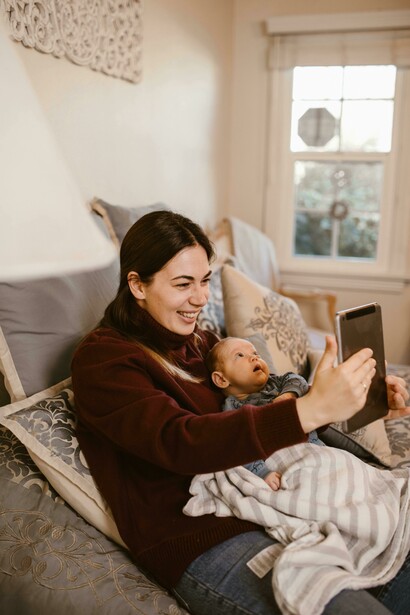
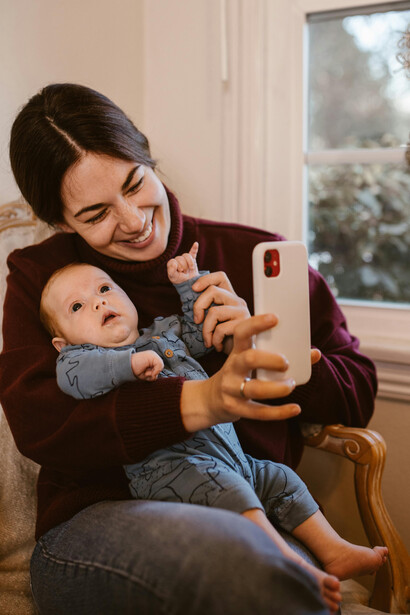
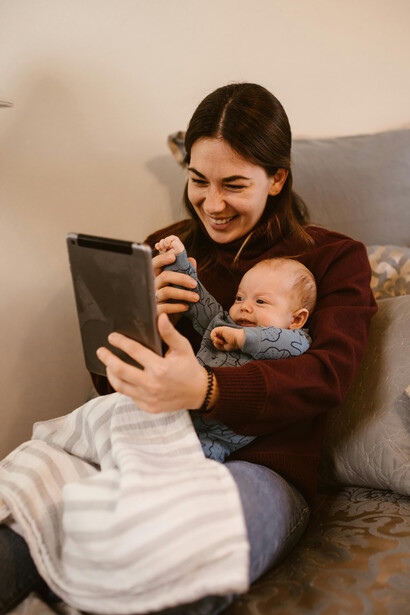
I insert a capsule into my old, slightly temperamental but reliable coffee machine. The aroma of freshly brewed coffee fills the kitchen, and in that scent, like a starting point, a new day is born. At that moment, I pressed the video call button, and within seconds, my mom’s face appeared on the screen. She lives far away, across those same thousands of kilometers, but thanks to technology, it feels like she’s just next door. We talk about the weather, the news, the garden, and even politics. I inhale the sound of her voice—warm, familiar, essential.
But it wasn’t always like this.
Twenty years ago, I left my hometown to start a new life on the Iberian Peninsula. At the time, I thought I was just leaving for a short while, but over the years, it became clear: this was a turning point, after which there was no going back to the way things were.
At the Madrid airport, I was greeted by a smiling customs officer. He stamped my passport and, with a wink, said, “Welcome to Spain.” So, my new path began.
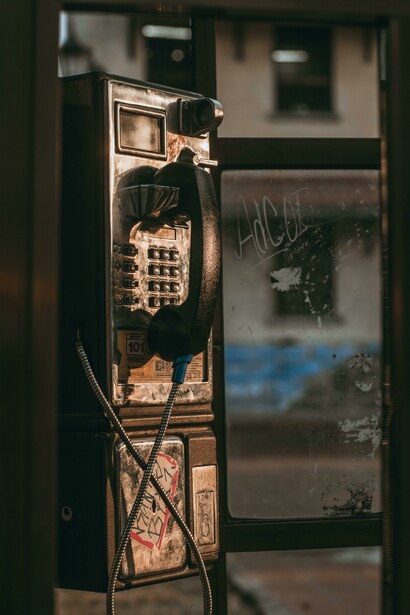
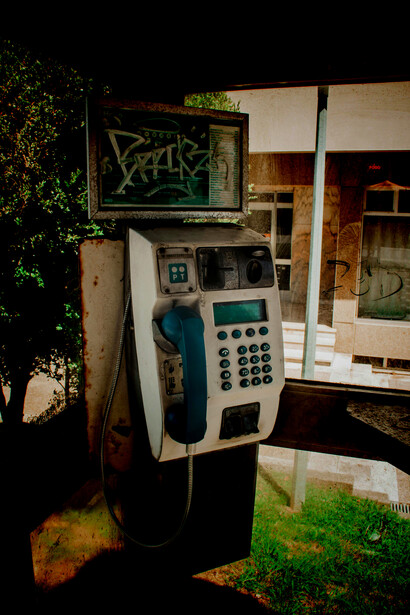
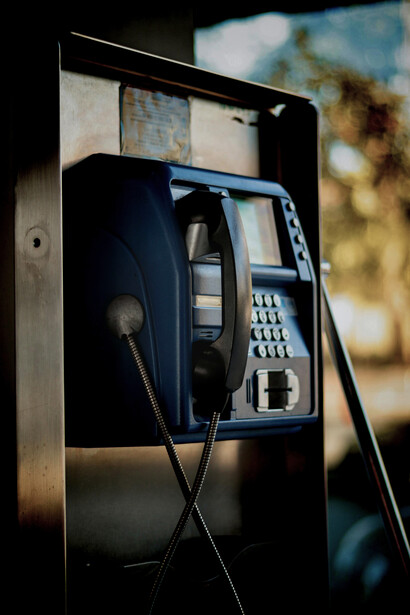
Back then, there was no WhatsApp, Telegram, Zoom, or any of the communication tools we now take for granted. To call my parents, I used to buy IP phone cards and go to Telefónica phone booths, those tall blue boxes with bright green canopies that do not exist any longer. I remember the feel of the heavy receiver against my cheek, the coolness of the plastic, and the physical tension of the upcoming conversation.
How many lives unfolded in those booths, like in confessionals?
How many immigrants cried, rejoiced, and passed along news to loved ones back home, either in Colombia, Russia, Morocco, Venezuela, or Romania?
How many stories are intertwined in the voices echoing through those booths, spoken in different languages but united by one shared emotion—homesickness?
Then came the locutorios, so-called hybrids between internet cafes and communication hubs. You could top up your phone credit, send a fax, print documents, talk to family, or transfer money via Western Union. They were like the nervous system of the immigrant community. Latin Americans, Romanians, Ukrainians, Chinese, and Senegalese each came with their own story, each needing a connection.
Later, Skype arrived. With its shaky, uncertain connection and glitchy video that broke into pixels. But still, it was a breakthrough.
I topped up my Skype credit and called my parents. At first, they struggled with the interface, but eventually adapted since there was no other choice. Either they learned, or they lived in the dark about their daughter’s life thousands of kilometers away.
So many conversations took place over Skype.
So many holidays, congratulations, sad news… I said goodbye to both of my grandmothers and my grandfather remotely. I couldn’t go home to attend their funerals, unfortunately.
I remember the feeling of helplessness: I knew they were leaving, and all I could do was quietly say goodbye in my heart.
And firmly cement the memories of them in my mind.
To keep them safe.
To one day speak of them to my son with warmth and tenderness.
When WhatsApp came along, things got a bit easier. Technology came closer to daily life.
Now I could not only hear a voice but also see a face much better. And free of charge.
A tour of the new house, meeting the newborn grandchild, video birthday wishes, video chats from the garden or the beach… All this was being done via WhatsApp then.
And then came 2020.
The pandemic.
The world stood still, and in that silence, phone calls became the only lifeline.
I called my parents every day. Sometimes even twice a day.
Every time, before hearing their voices, I held my breath with fear: would I hear a cough? A wheeze? Notice fatigue or worry in their tone?
These anxious calls became a morning and evening ritual.
We clung to that fragile connection like a lifeline, and on both sides of the screen.
And only when I heard the familiar, “So, how are things over there?” could I finally exhale.
Of course, no technology can replace a hug. A real human hug.
No connection can transmit the smell of home, the warmth of a hand, the comfort of silent presence, or the scent of mom’s pies.
And still I’m endlessly grateful.
Grateful that I can see and hear the people who make my life whole.
Grateful that my son, being the only grandchild, can easily connect with his grandparents, who adore him—their living room covered in photos of him from floor to ceiling.
For these thin, almost invisible threads that connect continents.
We immigrants know the true value of these sensory bridges.
And maybe that’s why we treasure every call, every image, every “hi” on the screen.
Because we know that it’s more than just technology.
It’s a connection.
It’s memory.
It’s love across distance that still feels close.