English
 Español
 Français
 Deutsch
 Italiano
 Português
In Korea, fairy tales begin with the words: "Back when tigers used to smoke."
For Youjin Yi, this phrase is not a look backward, but a question posed to the present: What happens to memories when they are carried forward across languages, places, and generations? From this emerges a visual world in which fairy tales, personal memory, and cultural remembrance intertwine.
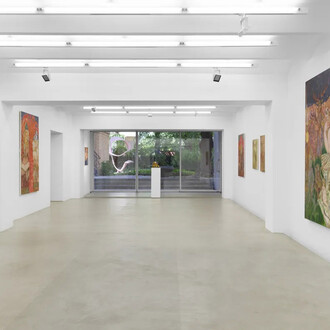
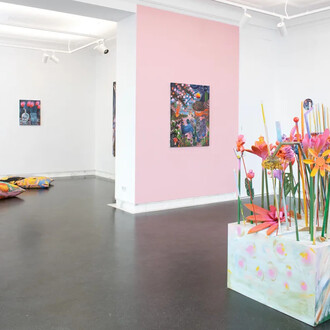
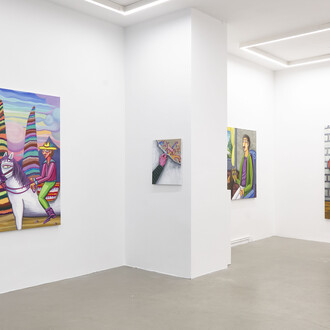
With Back when tigers used to smoke, 68projects by Kornfeld presents the second Berlin solo exhibition by the Korean-born, Munich-based artist.
After studying traditional Korean painting at Sejong University in Seoul, Yi continued her training at the Akademie der bildenden künste münchen and became a master student of Günther Förg. From these divergent cultural and art-historical experiences, she has developed an independent contemporary visual language. Her works have recently been shown at The Armory Show in New York, Art Basel Hong Kong, and Frieze Seoul, among others. A solo exhibition at Spencer Brownstone Gallery in New York will follow in 2027.
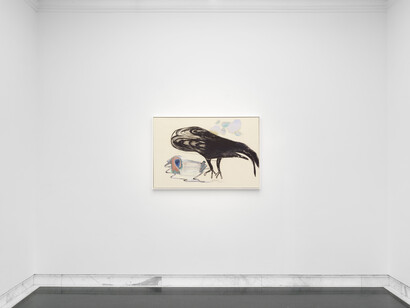
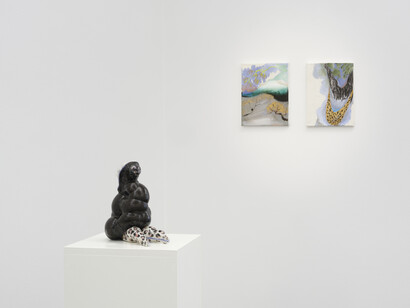
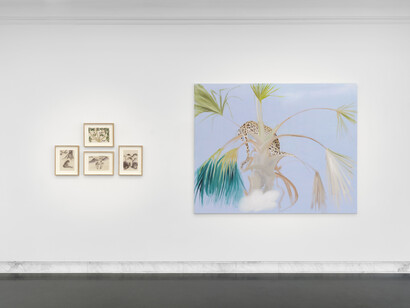
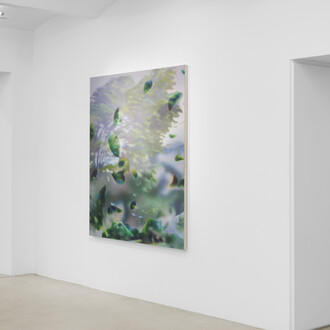
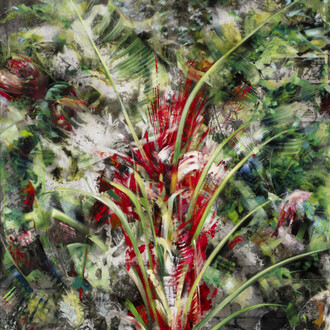
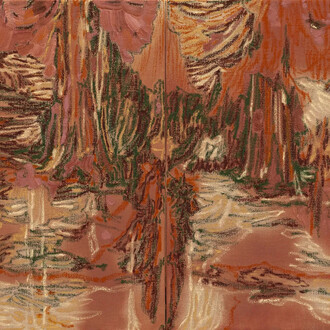
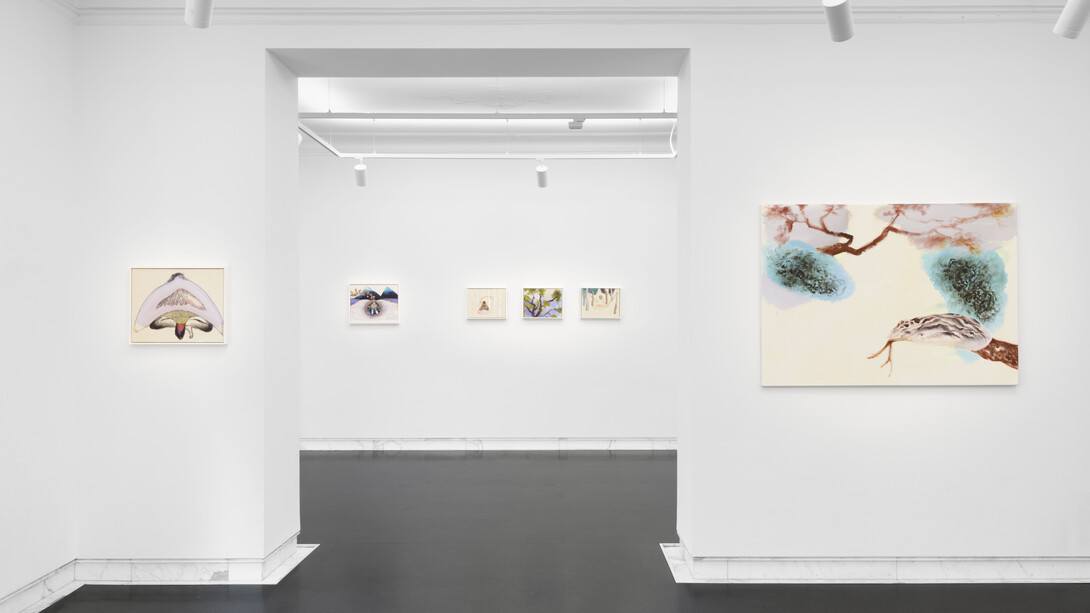
Yi's new works appear seductive and physically present, yet at the same time remote. Their tension arises less from individual figures than from the pictorial structure itself. People, birds, and other animals do not appear as isolated protagonists, but as components of multilayered pictorial spaces in which the boundaries between figure, landscape, and imagination become permeable.
The tiger in particular, a central figure in Korean visual culture, remains ambiguous. Its meaning shifts from image to image; familiar motifs open themselves to new narratives. Cultural tradition and personal experience are neither illustrated nor explained, but translated into a contemporary painterly language. It is precisely this openness that enables Yi to treat cultural memory not as something fixed, but as something that is continually changing.
A central role is played by hanji, traditional Korean paper, which Yi mounts on canvas and incorporates into the painting process. Fibers, folds, and irregularities lend the surface a haptic, almost corporeal quality. Paper, paint, and reserved areas create an interplay of density and emptiness. The paintings appear open and layered, yet at the same time permeable.
Back when tigers used to smoke is not a return to a bygone era. Rather, the exhibition leads into a present in which cultural identity is not bound to a single place and traditions change their meaning as they are carried forward. Yi's fairy tales therefore do not tell closed stories. Their beginning may seem familiar—their outcome remains open.