English
 Español
 Français
 Deutsch
 Italiano
 Português
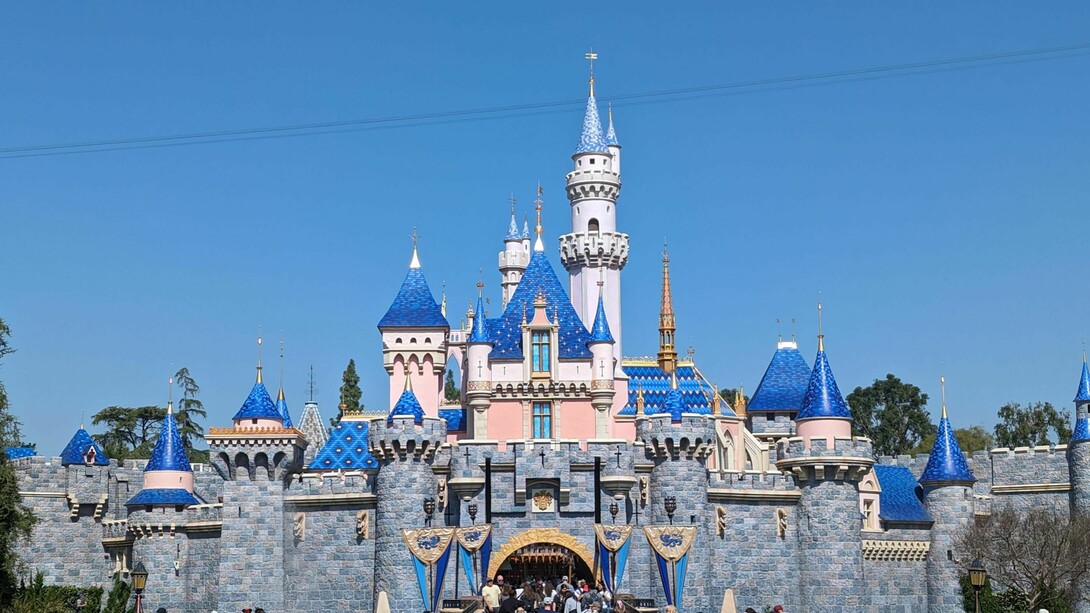
At first glance, Disneyland and Walt Disney World are simply theme parks—rides, fireworks, food, and family vacations. But spend enough time there, especially after dark, and the line between entertainment and legend starts to blur.
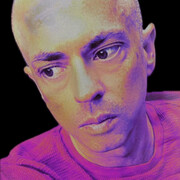
On a recent episode of All Things Unexplained, I sat down with my pastor and Disney travel expert Brent Levy of “Let’s Go with Brent,” along with bestselling author David Koenig, whose books like Mouse Tales and Realityland have spent decades peeling back the polished surface of the Mouse House.
What emerged was something far more interesting than roller coasters.
Disney is not just a theme park empire.
It is a mythology engine.
And like all great myths, it thrives on mystery.
As I opened the episode: “Disney seems to have a way of growing myths… I’ve been to a lot of other theme parks… but I’d never heard myths about them. What is it about Disney parks that makes myths grow so strongly?”
Koenig’s answer was simple.
Because Disney was built on myth from the very beginning.
Walt Disney didn’t build a theme park—he built a story you could walk into
According to Koenig, Walt Disney’s vision was never just rides.
It was immersion.
He wanted guests to step inside stories.
“Walt said, ‘I’m making all these movies that people can watch. I want them to be part of the movie. I want them to step into the myths and the legends and live it themselves.’”
That philosophy shaped everything.
The music.
The smells.
The architecture.
Even what stores were allowed to sell.
Koenig explained that Walt was obsessive about protecting thematic consistency. If you were in Frontierland, he wanted you to feel like you were in the Old West—not standing beside a modern souvenir rack full of batteries and film.
“He didn’t want anything that conflicted with the theme of the area… he wanted people completely enveloped.”
That immersive environment wasn’t accidental.
It was psychological design.
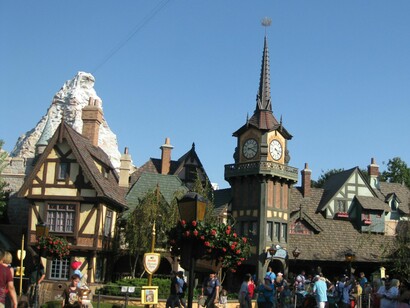
And perhaps nowhere is that clearer than Main Street, U.S.A.
Nostalgia is Disney’s most powerful ride
Main Street isn’t just an entrance.
It’s emotional architecture.
Koenig described it as Walt’s attempt to transport visitors back to childhood—specifically his own childhood in Marceline, Missouri, the small town that inspired the design.
“Main Street was supposed to take you back to your childhood.”
Even Brent Levy had made the pilgrimage.
He described visiting Marceline, sitting beneath the tree where Walt supposedly dreamed as a child, and seeing firsthand how that town became the emotional DNA of Disneyland.
But Disney learned something even bigger over time: nostalgia sells.
Koenig argued that nostalgia may be Disney’s most effective marketing strategy.
His favorite example?
The attempted retirement of the Main Street Electrical Parade.
Disney announced it was going away forever.
Attendance exploded.
“It was the busiest time they’d ever had in the history of Disneyland… the most successful promotion they’d ever had was killing one of their beloved rides.”
The lesson was obvious:
Nothing creates demand like the fear of losing a memory.
The haunted side of the happiest place on Earth
Then we got to the question everyone secretly wants answered.
Are Disney parks haunted?
We put the poll directly to listeners:
“Do you believe Disney parks are actually haunted?”
Brent recalled an old cast member legend from Pirates of the Caribbean—a ghost named George, said to be a worker who died during construction. Employees were told to greet George each morning, or risk “a rough day on the seas.”
Koenig laughed—but not dismissively.
Because according to him, many cast members fully believe these stories.
“How can you not work at Disneyland after hours for any amount of time and not believe in ghosts?”
He said the most famous ghost stories center around three names:
George.
Mary.
And places where people actually died.
Mary, for example, is said to be the spirit of a little girl whose ashes were allegedly scattered near the Haunted Mansion.
Cast members would report seeing a child walking alone late at night near the Haunted Mansion, Pirates of the Caribbean, or Critter Country—only for her to vanish when approached.
Koenig also described another frequently reported spirit near Tomorrowland—a teenager killed during Grad Night in 1967 after falling from the old PeopleMover ride.
Even if you don’t believe in ghosts, one fact remains undeniable:
Disney parks collect stories because they collect emotion.
And grief leaves residue.
Yes—people really scatter ashes at Disney
One of the strangest stories of the night involved something many Disney fans have whispered about for years:
people secretly scattering loved ones’ ashes inside the parks.
Koenig confirmed at least one documented case from 2002 at Disneyland.
A family asked to ride the Haunted Mansion privately because it had been their son’s favorite attraction.
Security cameras later showed them distributing a mysterious powder throughout the graveyard scene.
Because this was shortly after 9/11 and during the anthrax panic, the ride was shut down, hazmat crews were called, and security launched an emergency response.
It turned out to be the ashes of their child.
As Koenig put it:
“At least once, it 100% happened.”
Probably more than once.
Maybe many more.
That realization changes how you think about places like the Haunted Mansion.
They aren’t just themed around death.
Sometimes, they quietly become memorials.
The underground city beneath Magic Kingdom
One of Disney’s greatest illusions is something most guests never even realize.
Magic Kingdom is technically on the second floor.
Underneath it sits a hidden system of tunnels called the Utilidors—short for “utility corridors.”
Brent explained it simply:
“Magic Kingdom is actually on the second floor.”
Koenig added that Disney built the tunnels first, then used excavated dirt from the lagoon to bury them and raise the park above ground level.
The reason?
To preserve the illusion.
No supply trucks cutting through Fantasyland.
No characters crossing from Tomorrowland into Frontierland in plain sight.
No backstage ruining the show.
“It was their idea… to get people and supplies from one end of the park to the other without breaking that illusion.”
Disney doesn’t just hide mechanics.
It hides reality.
That may be the most Disney thing of all.
Club 33: The secret Disney most people never see
Then there is the most famous hidden place of all:
Club 33.
A private, ultra-exclusive club tucked behind an ordinary green door in New Orleans Square with only one visible marker:
the number 33.
Koenig has been there.
Membership costs thousands upon thousands of dollars to join—and thousands more each year in dues.
For years, it was the only place in Disneyland where guests could legally get alcohol.
You ring the intercom.
State your name.
If you belong there, the door opens.
If not?
It stays shut.
It feels less like a restaurant and more like entering a secret society.
And honestly, that’s probably the point.
Because exclusivity is just another kind of mythology.
Disney’s greatest secret isn’t a ghost
By the end of the conversation, one thing became clear.
The greatest mystery of Disney isn’t whether it’s haunted.
It’s how effectively it makes people want to believe.
Believe in magic.
Believe in nostalgia.
Believe in childhood.
Believe that somewhere behind the hidden doors and underground tunnels, there is still a little bit of wonder left.
Disney thrives because it understands something ancient:
People do not merely want entertainment.
They want myth.
And myths require mystery.
Maybe that’s why Disney stories feel so persistent.
Why ghost stories survive.
Why Club 33 fascinates.
Why abandoned places like River Country and Discovery Island still capture imaginations decades later.
Because Disney didn’t just build attractions.
It built a modern folklore.
And folklore never really closes.
It just waits for the next person to ask:
What’s really going on behind that door?