English
 Español
 Français
 Deutsch
 Italiano
 Português
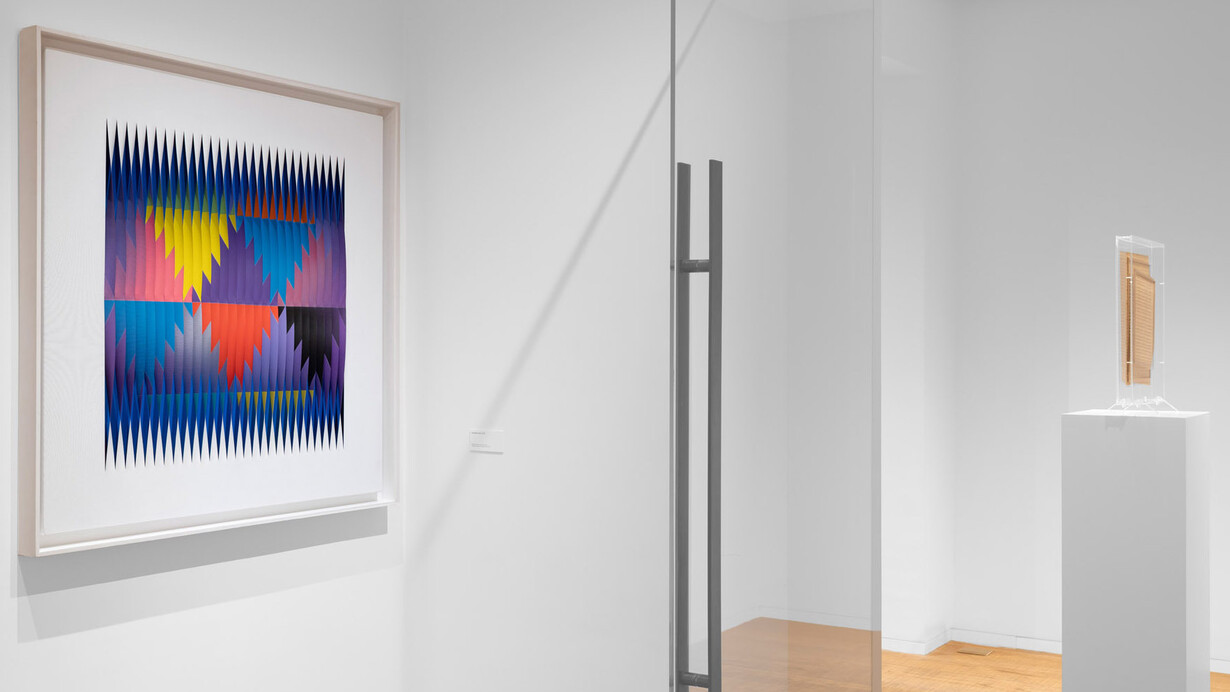
Tornabuoni Arte Rome opens its new exhibition season with a solo show dedicated to Alberto Biasi, one of the leading figures of Programmed Art. The exhibition traces more than sixty years of the artist’s practice, from his historic works of the 1960s and environmental installations of the 1970s to his most recent production, highlighting the remarkable consistency and vitality of his exploration of movement, perception, and the relationship between the artwork and the viewer.
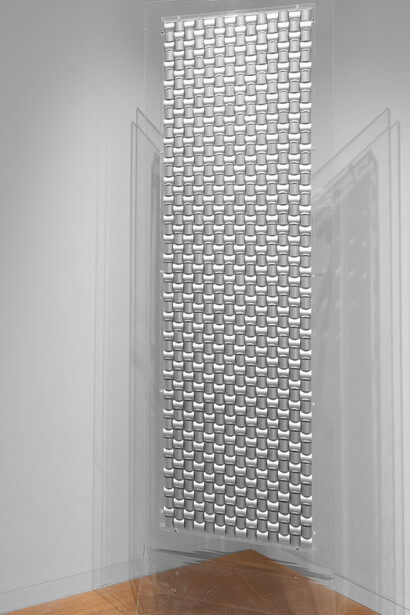
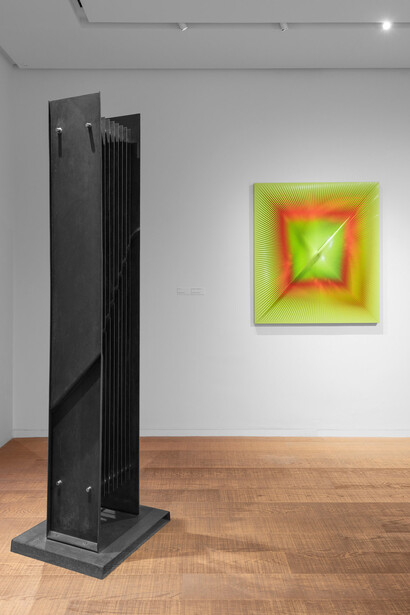
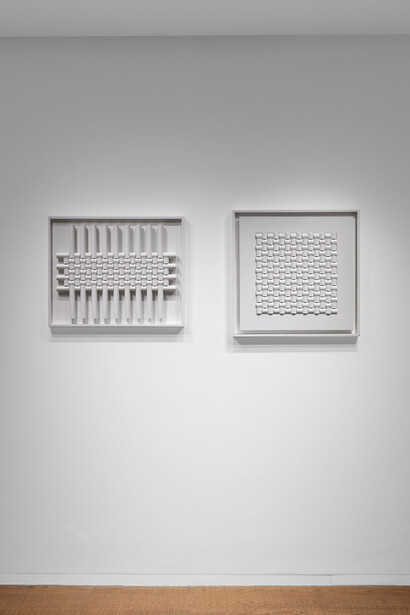
Through a selection of works spanning different periods of his career, the exhibition offers an overview of the development of Biasi’s artistic language and the central role that experimentation has played throughout his practice. His research investigates the possibilities of visual perception, exploring how movement, light, and the interaction between forms can transform the experience of an artwork. Rather than presenting the viewer with a fixed image, Biasi creates works that change according to the observer’s position and movement, making perception itself an essential part of the artistic experience.
A key aspect of his practice lies in the use of materials and structures to generate optical effects and visual transformations. Through the interplay of surfaces, patterns, and spatial arrangements, his works challenge the conventional boundaries of the image, inviting viewers to engage actively with what they see. This approach reflects the principles of Kinetic and Programmed Art, in which the artwork is conceived as an open and dynamic system, whose visual possibilities unfold through the encounter with the public.
The exhibition offers an opportunity to rediscover a visual language that continues to engage with the present, reaffirming the relevance of one of the leading masters of Kinetic and Programmed Art. By bringing together works from different stages of his career, it highlights the enduring coherence of an artistic investigation that has consistently questioned the mechanisms of vision and the relationship between art, space, and the observer. More than six decades after its beginnings, Biasi’s practice retains its capacity to surprise and stimulate the viewer, demonstrating the lasting vitality of an approach in which experimentation and perception remain closely intertwined.