English
 Español
 Français
 Deutsch
 Italiano
 Português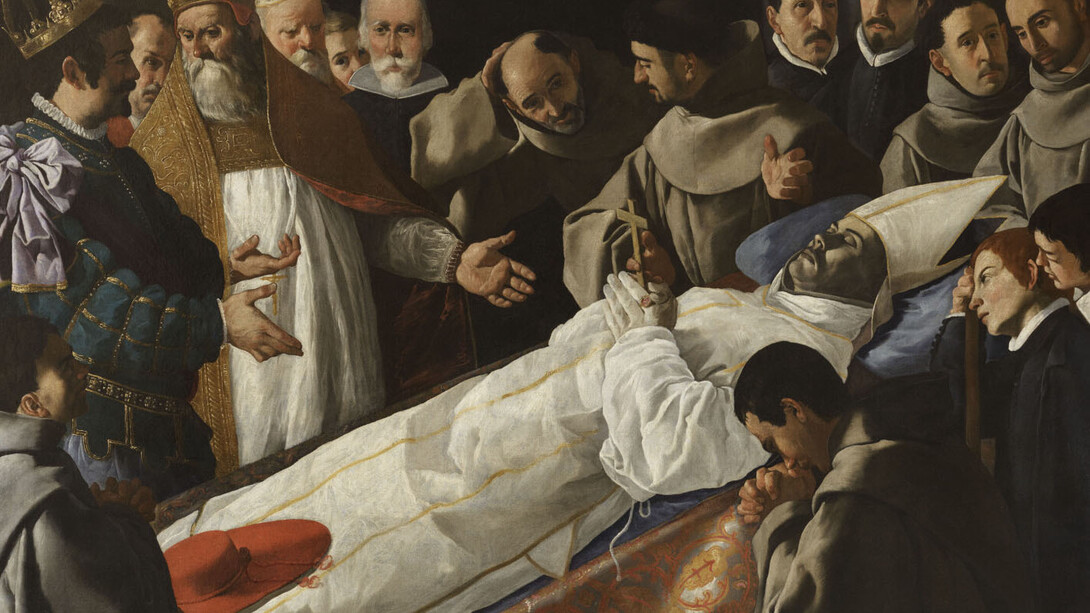
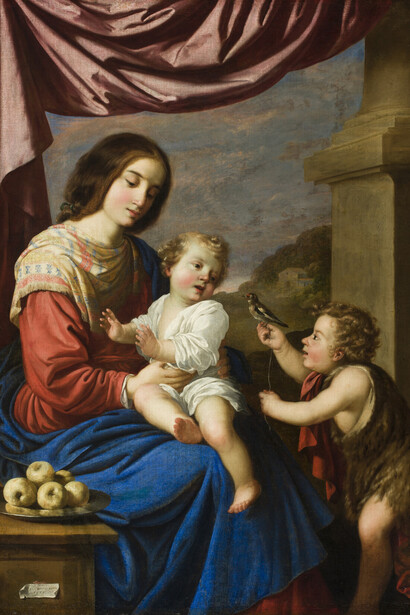
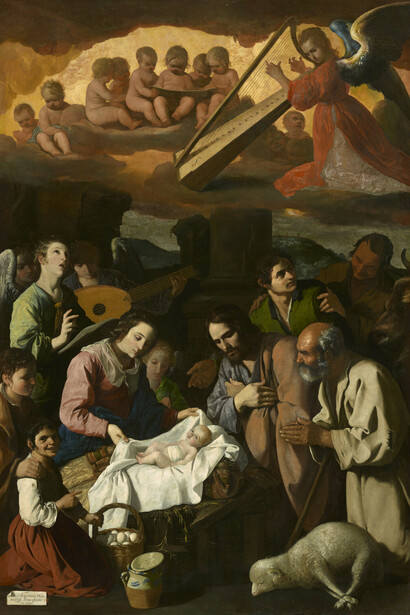
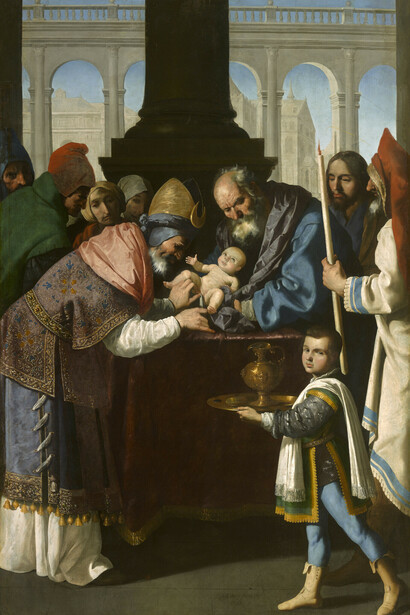
Francisco de Zurbarán, along with Diego Velázquez and Bartolomé Esteban Murillo, is considered one of the greatest Spanish painters of the 17th century. At first considered a Caravaggista with a focus on monastic ascetism, he was gradually recognised in the 20th century as a prodigious colourist and celebrated for his distinctive personal style, which married a simple treatment of volumes with striking naturalism. Though Zurbarán has been the subject of numerous exhibitions over the last ten years, the last large-scale international presentation to focus on his work had been the joint exhibition Zurbarán, mounted by the Metropolitan Museum of Art and the Grand Palais in 1987–1988. Now, the National Gallery, London, the Musée du Louvre and the Art Institute of Chicago have joined forces to offer their visitors a retrospective that allows them to revisit Zurbarán’s paintings (or discover them for the first time), to better understand his work and to stand in awe of the modernity and visual power of his compositions.
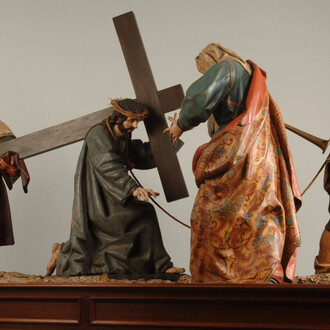
This is not an exhaustive monographic exhibition, but rather an ambitious selection of the finest paintings, complemented by historical and cultural markers, where visitors can marvel at Zurbarán’s technique and its audacity of form and iconography. The visit, organised into seven parts, will analyse the various facets of Zurbarán’s painted oeuvre both chronologically and thematically, aiming to do justice to the whole of his long career, and occasionally stepping outside of this timeline to compare a group of similar works.
The Louvre’s exhibition will place great importance on the monumental paintings, commissioned by Andalusian monasteries, on which Zurbarán’s fame was built, as well as portraits and still lifes, with a special place reserved for the brief career of his son, Juan de Zurbarán (1620–1649). A number of these works, dating from the late 19th and early 20th centuries, will highlight the significant influence Zurbarán exerted on later avant-garde artists working in France such as Édouard Manet, Pablo Picasso and Juan Gris.
![Mary Cassatt, Fillette dans un fauteuil bleu [Enfant dans le salon bleu] (detail), 1878. Courtesy of Musée d’Orsay](/attachments/3ddcf3630b2e6b21d055a8488350d949784be8fa/store/fill/330/330/9b97dc5b17cad42577b6453f0968e961b1231ceb2b8b5ceb2c09057b2695/Mary-Cassatt-Fillette-dans-un-fauteuil-bleu-Enfant-dans-le-salon-bleu-detail-1878-Courtesy-of.jpg)