English
 Español
 Français
 Deutsch
 Italiano
 Português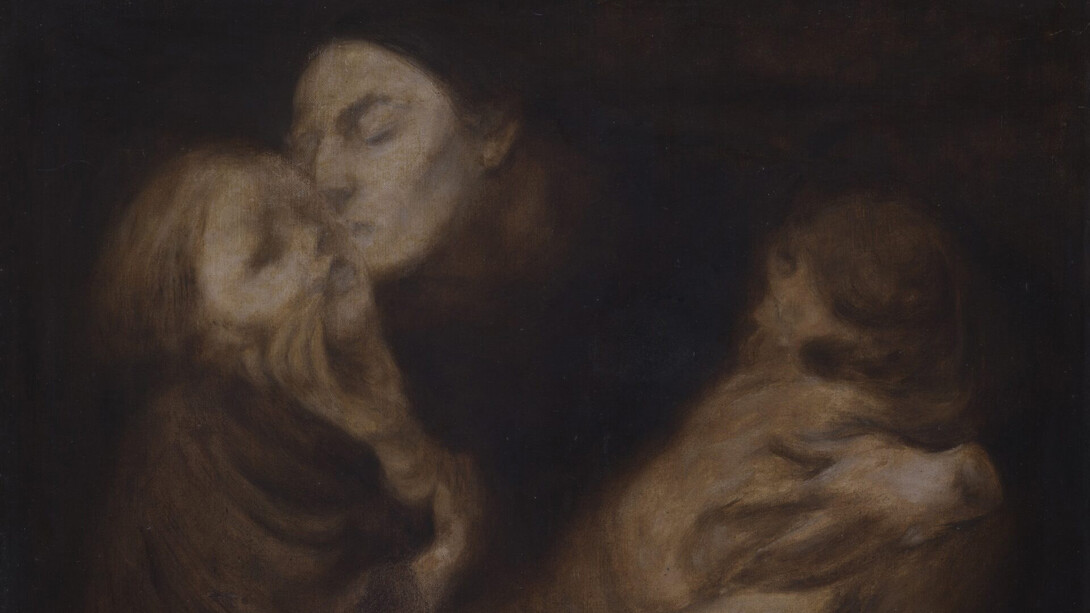
The exhibition offers a novel, more conceptual look at one of the most prominent French artists of the second half of the 19th century, emphasising the influence he had on his contemporaries, as well as on the oeuvres of key figures of Early Modernism in the 20th century.
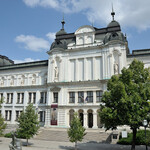
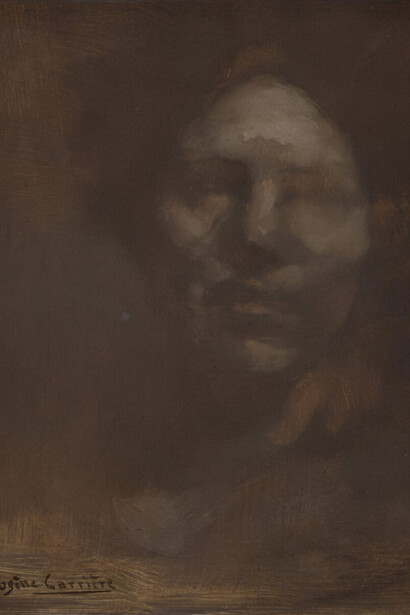
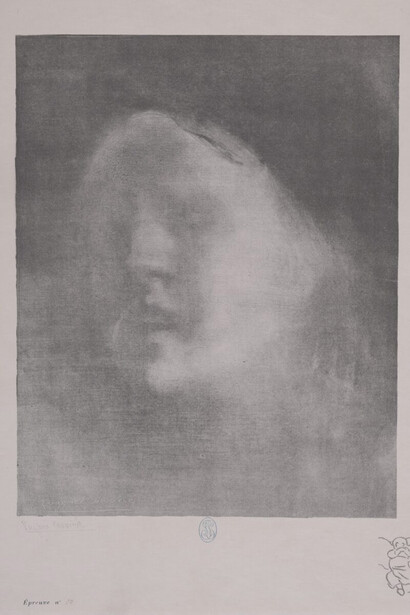
Although Eugène Carrière is well represented in the National Gallery permanent exposition at Kvadrat 500, his name remains relatively unknown to the general public. The team’s ambition is to present all his paintings, lithographs and drawings from the museum collection for the first time. During the research, it was discovered that these lithographs of high collectible worth were extremely valuable copies of unique bibliophilic compendia published in limited editions in Paris in the closing quarter of the 19th century. It is only the Metropolitan Museum in New York, the State Museum in Stuttgart, the Musée d’Orsay in Paris, the State Museum in Amsterdam, and the Cleveland Museum of Art, that can boast possession of such prints.
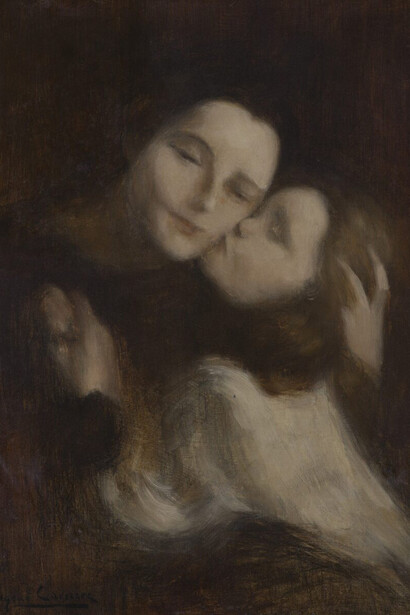
Carrière was among those artists who won recognition during their lifetime, and whose works were displayed in major museums. He invariably worked beyond the stylistic categories of the time without claiming to belong to any specific trend. Defying any sort of labelling, the painter, engraver and draughtsman, Carrière—a contemporary of Gustave Moreau, Odilon Redon and Paul Gauguin—soon surrounded himself with the most influential figures in the artistic and literary worlds of his time. His oeuvre influenced Picasso who drew inspiration from his monochromatic painting.
Beyond the modernity of his subjects, it is precisely in the artist’s painting style that the great adventure of his art lies. A distinguished portraitist and master of family scenes and the theme of motherhood, and precursor of Minimalism, he eliminated details transforming images into archetypes and expressions of feeling beyond the conventional framework of a specific time. Achieving a soft, monochromic sfumato allowed him to create a complex and mysterious interplay of transparency and depth. Like fleeting apparitions, elusive to the brush, his figures seem to emerge from the landscape, from the background, as if from another time-space.