English
 Español
 Français
 Deutsch
 Italiano
 Português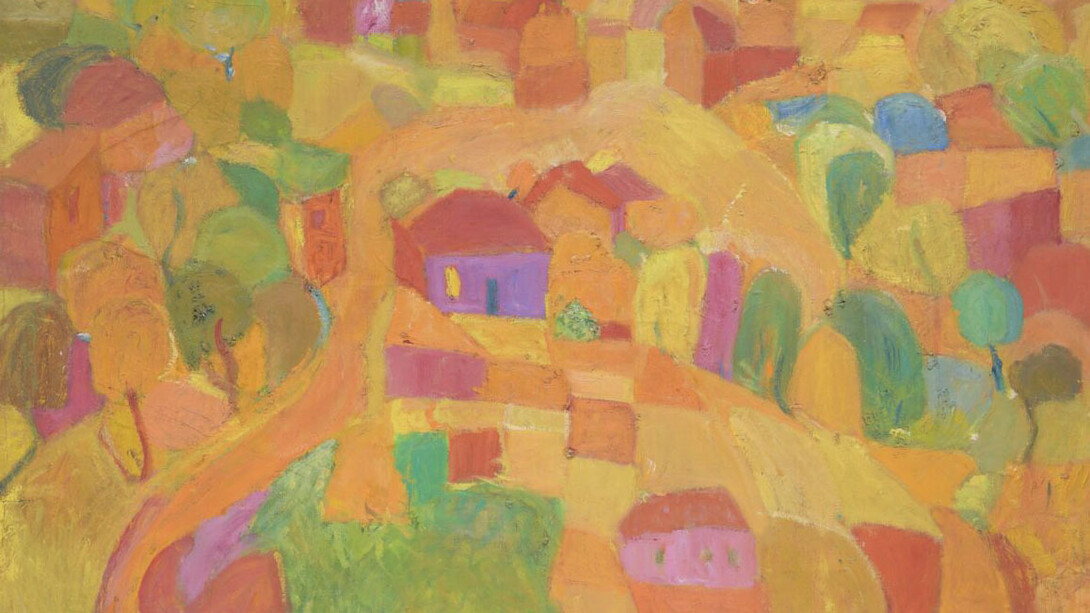
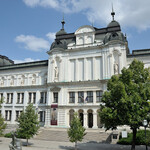
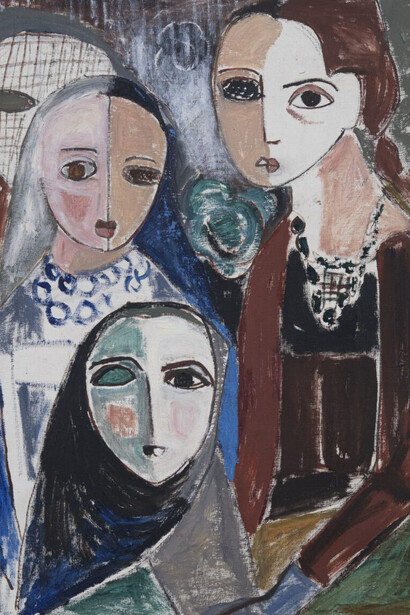
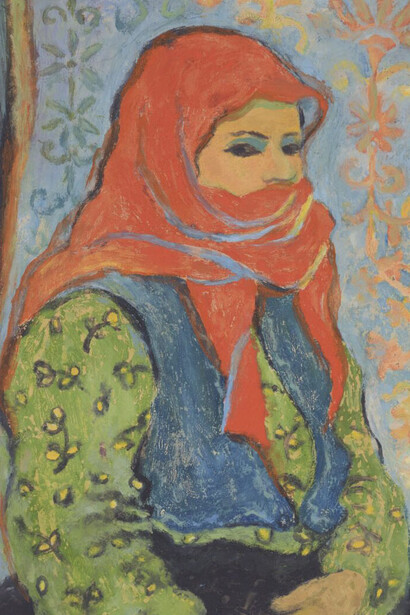
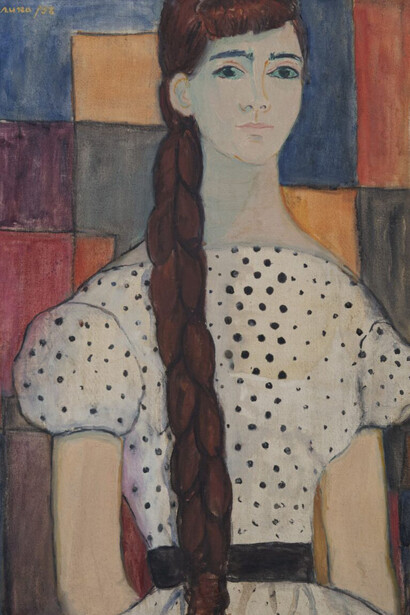
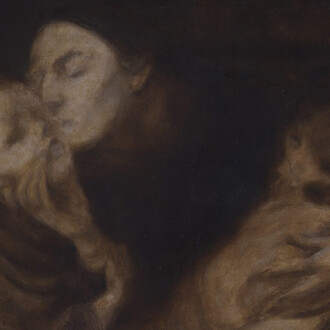
The National Gallery owns one of the most appreciable and representative collections of artworks by Lika Yanko (1928–2001). This became possible thanks to the donation gesture the artist made while still living. Whereas the two extensive exhibitions, held in 2002 and 2011, were based on the most comprehensive chronology possible, the current exhibition focuses attention on issues of her early oeuvre.
In choosing the title, Journey to the image, we saw an opportunity to verbalise the two major threads in the exhibition. The first relates to the 1960s, the decade these artworks were produced. Lika Yanko was at the beginning of her career, and it was through the images of the object world that she sought her own truth about art.
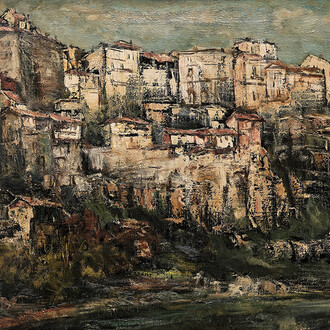
The second line traces the artist’s ‘journey’ into herself, where she was not alone. Spontaneously, rather like a playful act, or fully consciously as a quiet rebellion against the norms of official art, a small informal group of female artists launched into annual creative trips in the Rhodope Mountains, the environs of Melnik, Karlanovo, and other places. The party included Vanya Decheva, Dora Kancheva, Olga Valnarova, Mimi Veselinova, Kostadinka Tsvetkova, and Zheni Mehandzhiyska… We have no first-hand evidence of a common aesthetic platform of theirs, but, standing before their pictorial works, we may form, with a great deal of certainty, an impression of the moods that had overwhelmed them, and of the sources they followed.
We say all this clearly aware of the broadest outline of a problem in the history of Bulgarian art that has so far been only sketched out, without being supported by the necessary visualisation and professional commentary.
The exhibition does not claim to be exhaustive on this topic. It only outlines the general silhouettes of names, events and artistic facts that have not been studied or analysed in detail. They inhabit those border or extreme zones removed from the official line, where absence, silence and insufficiency still dominate, but without them, the overall picture of Bulgarian art history will not be full and complete.