English
 Español
 Français
 Deutsch
 Italiano
 Português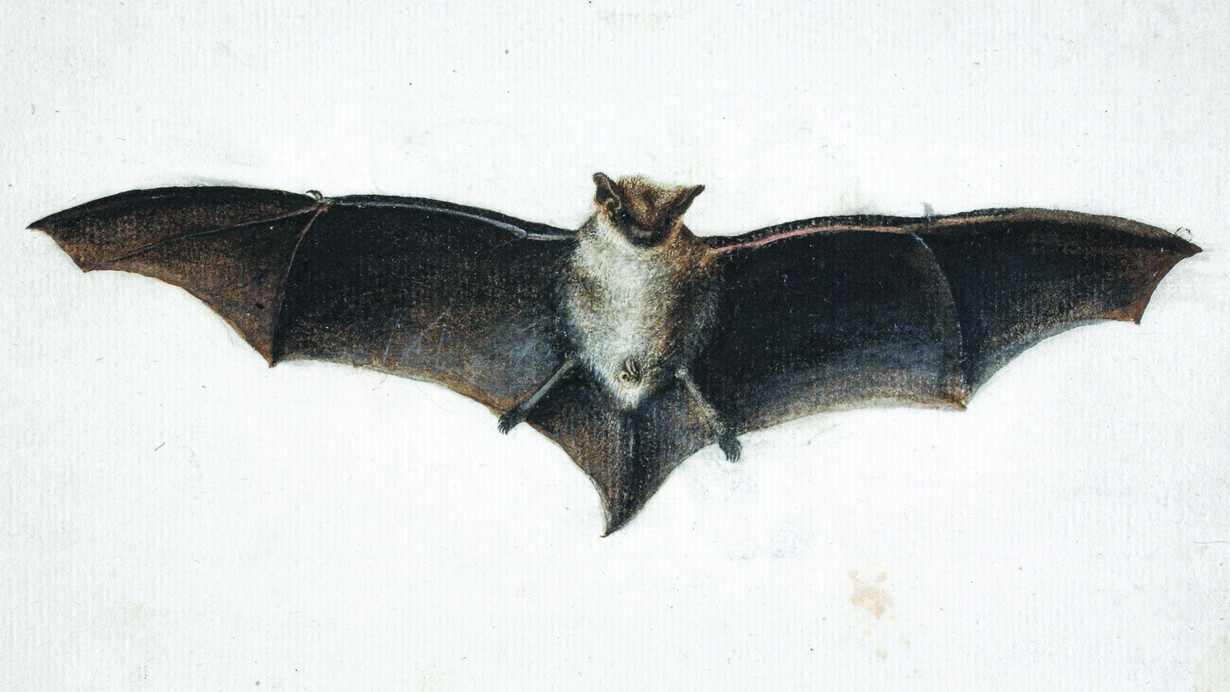
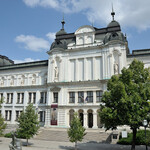
The National Gallery presents one of the most iconic figures in the history of Bulgarian art – Zahari Zograph. This first immersive exhibition introduces a new way of experiencing the masterpieces of the the museum’s collection. Harnessing new technologies, the 20-minute project, created by Senzor Studio, brings his religious and secular masterpieces to life, revealing essential elements of his creative process.
The initiative promotes Bulgarian Revival аrt, a period characterized by economic, social, and cultural growth, closely tied to the pursuit of ecclesiastical and national independence. The period traces its origins to the mid-18th century, when Paisius of Hilendar wrote Istoriya Slavyanobulgarskaya (History of the Slavs and Bulgarians) in 1762—which profoundly shaped the spiritual awakening of the population and contributed significantly to the development of national consciousness.
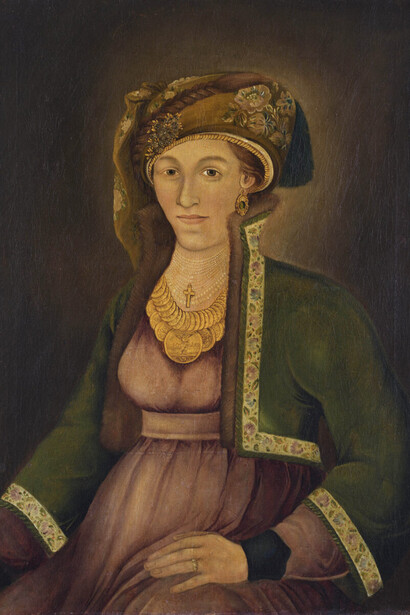
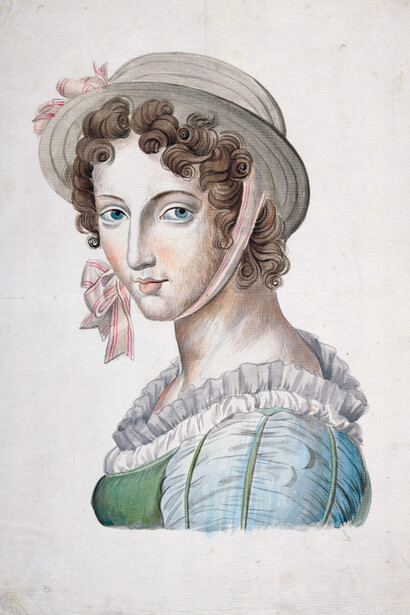
Zahari Zograph (1810–1853) of Samokov bridged the gap between religious and secular painting and contributed significantly to the Europeanization of Bulgarian art. He has been described as an extraordinary personality, noted for his artistic experimentation and bold approach to professional challenges. Working from life, he painted portraits, plants, animals, nudes, landscapes, and ancient ruins. In his church murals, he introduced images of Bulgarian and Slavic saints, placing self-portraits and portraits of his fellows alongside them. He actively participated in the struggle for church and national independence, supported the publication of books, and backed initiatives to establish Bulgarian schools.
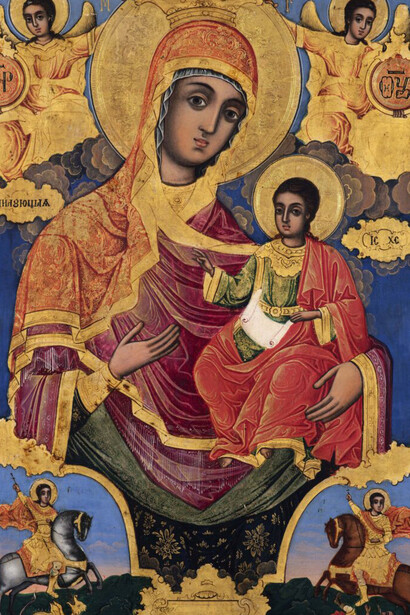
The exhibition features a selection of icons, drawings, copies, letters, documents, and secular portraits from the artist’s early period. It also showcases a substantive collection of murals, ranging from his earliest works—created in 1838 for the Chapel of St John the Baptist at the Church of the Holy Virgin—Annunciation in Asenovgrad—to what is considered as his “final masterpiece,” the murals adorning the narthex of the Great Lavra Monastery on Mount Athos, completed between 1851 and 1852.
Zahari Zograph emerged as a defining figure of Bulgarian Revival art. His relentlessly inquisitive artistic spirit was ahead of its era, and his extensive body of work reflects the vitality of the approaching modern age, the artistry of traditional imagery, the strength of line, and the emotive power of color.
(The project is realised with the financial support of the National Culture Fund of Bulgaria under the Creation programme 2024)