English
 Español
 Français
 Deutsch
 Italiano
 Português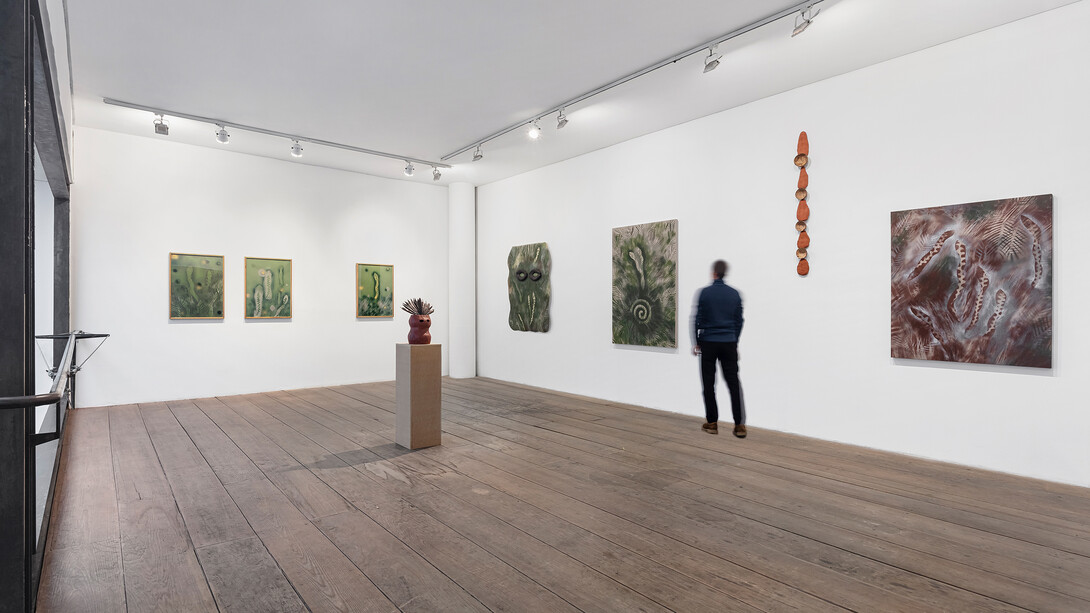
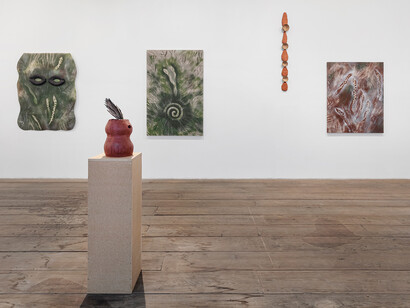
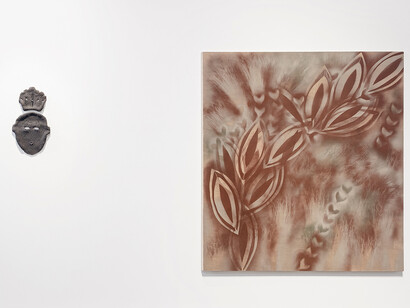
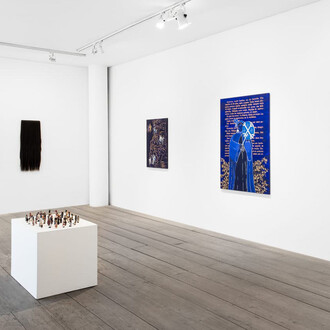
Guardianas y serpientes is the title of Venezuelan artist Lucía Pizzani’s first solo exhibition in Brazil, opening on August 1 at Galeria Marilia Razuk. The works in the exhibition are part of her artistic research, which draws on nature as a source of inspiration but combines imaginary and ancestral elements, grounded as well in studies in conservation biology. After a period of immersion on Ilhabela, Pizzani brings to this exhibition works featuring elements inspired by the Atlantic Forest, the local biome of the São Paulo coast and the site of her artistic “residency,” where she was able to create works using raw materials from that location. The exhibition features approximately 20 works, including paintings, drawings, and ceramics.
The artist, who was born in Caracas and now lives in London, explores in her work the interconnections between the narratives of natural history and human experience, as Camila Bechelany states in her curatorial text. “As a result of this immersion in Ilhabela, she was able to develop works using local materials and broaden her references, deepening her research on life cycles and the interdependence between humans and non-humans. Invoking the symbolism of the guardian and the serpent, the exhibition is conceived as a liminal space between the physical and immaterial worlds, where the presence of mythical female figures is embodied in sculptures and images created by the artist.”
Using clay and locally gathered plants, Pizzani has created “sculptures that explore the ideas of metamorphosis and protection, which are also associated with the feminine,” adds Bechelany. Among the elements in this exhibition, Lucía evokes one of the oldest symbols in human history, the serpent—a symbol of regeneration in various ancient cultures, due to its ability to shed its skin. Other traditions view the serpent as a guardian. Drawing on the elements of nature as a source of inspiration, research, and a setting for gathering raw materials allows the artist to imbue her works with the diverse perspectives of her own history from around the world, thereby permeating the history of humanity.
Guardianas y serpientes, by Lucía Pizzani, kicks off the Galeria Marilia Razuk’s second-half 2026 exhibition schedule, which features a series of exhibitions dedicated to Latin American art, with a special focus on the work of internationally renowned women artists. The schedule, which begins in August with Lucía Pizzani’s solo exhibition, includes solo shows by Johanna Calle and Carolina Colichio in the coming months, participation in the SP-Arte Rotas art fair, and a major group exhibition of Latin American artists at the end of the year, curated by Italian art critic Eugenio Viola.
![Various artists, Histórias latino-americanas [Latin american histories], exhibition view. Courtesy of MASP](/attachments/2ec1b7615df2d9b9c3f211de14c70faefd850aea/store/fill/330/330/8481e63599516249cba60f15e188644bb76fc1eec25547e2c4b88b8f1c92/Various-artists-Historias-latino-americanas-Latin-american-histories-exhibition-view-Courtesy-of.jpg)