English
 Español
 Français
 Deutsch
 Italiano
 Português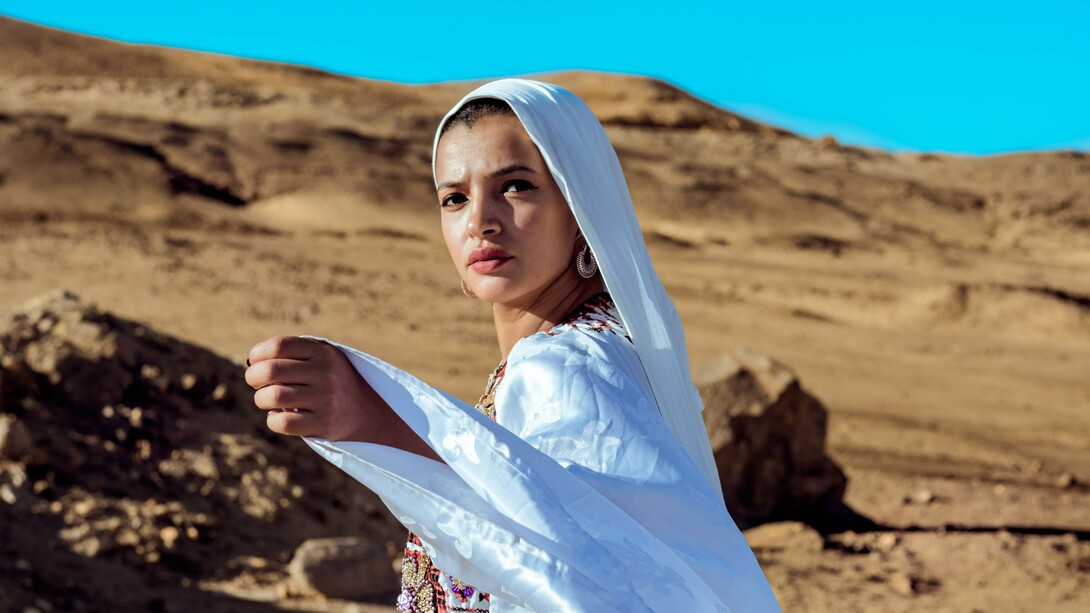
A piece of clothing can sometimes say more than a speech. A pin attached to a jacket, a military-style shirt worn during wartime, or the colours chosen for a public appearance may appear insignificant at first glance. Yet behind these seemingly ordinary choices often exist messages that are carefully understood by those who know how to read them. Fashion and politics have never existed in entirely separate worlds. Throughout history, clothing has long served as a language of identity, authority, protest, and representation. However, in an age shaped by cameras, social media, and instant global visibility, these visual messages travel faster and reach audiences far beyond official political spaces.
In politics and diplomacy, appearance is rarely accidental. What leaders, diplomats, royals, activists, and public figures wear often communicates ideas before a single word is spoken. A military-style outfit during wartime, traditional attire during official visits, or symbolic colours used during public events can quietly shape perception and convey messages of strength, solidarity, heritage, or resistance. Far from being superficial, clothing increasingly functions as a subtle language through which power, identity, and political meaning are expressed.
In modern politics, appearance is rarely left entirely to chance. Political leaders and public officials are often advised on how to present themselves in ways that reinforce authority, relatability, confidence, or national identity. In an era shaped by television, photography, and social media, visual image has become an important part of political communication itself.
Clothing can quietly shape how a leader is perceived before they even speak. Formal suits may project professionalism and institutional authority, while more casual appearances can create an image of closeness to ordinary citizens. During moments of crisis, attire can also become symbolic. Since the beginning of the war in Ukraine, Volodymyr Zelenskyy has frequently appeared in military-style clothing rather than formal presidential attire, reinforcing an image of wartime leadership, resilience, and solidarity with soldiers and civilians affected by the conflict.
Political appearance also changes depending on context and diplomatic goals. Leaders may choose traditional clothing during cultural or religious events, formal attire during state ceremonies, or more simplified clothing during times of economic difficulty in order to shape public perception. These choices may appear small, yet they often communicate silent messages about stability, humility, patriotism, or power.
Far from being purely aesthetic, political image has become part of how leadership itself is constructed and understood in the public sphere.
Beyond formal political image-making, clothing also carries a deeper cultural and diplomatic meaning: it becomes a reflection of heritage, identity, and collective memory. In many societies, traditional attire is not simply worn for aesthetic or ceremonial reasons but as a visible expression of belonging and continuity. It communicates, without words, that history remains present and that cultural identity continues to shape how nations represent themselves.
Traditional clothing also appears in moments of collective mourning and international protocol, where dress becomes a sign of respect, unity, and shared dignity. During major international funerals and state ceremonies, countries often follow formal dress expectations while still incorporating elements of national identity.
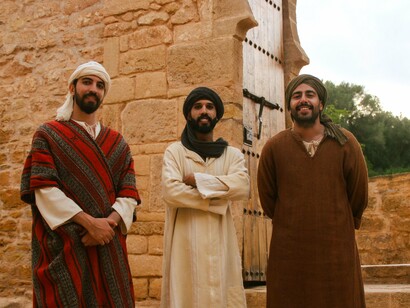
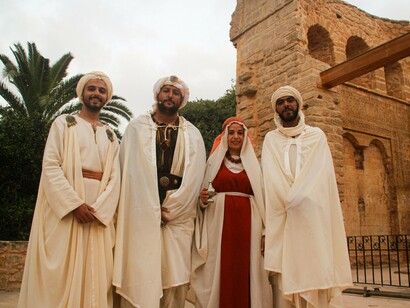
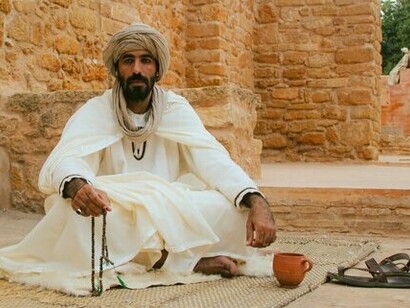
In Morocco, official representation during periods of mourning and high-level ceremonies often reflects a balance between state protocol and cultural symbolism. Moroccan officials and members of the royal family have frequently appeared in traditional attire such as the djellaba and the red tarboosh, including during international ceremonies and funerals. These choices are not incidental; they reflect continuity with heritage and communicate a distinct national identity even within highly formal diplomatic spaces.
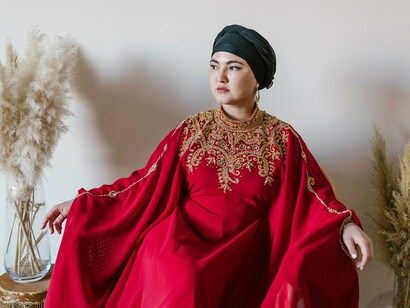
Traditional clothing also plays a visible role in official visits and regional representation. Within Morocco, cultural diversity is often expressed through regional dress. During visits and public celebrations across different areas of the country, people frequently wear attire associated with their local identity. In the south, garments such as the daraa and the melhfa may be worn, while other regions are represented through clothing such as the caftan, djellaba, or other traditional attire specific to their cultural heritage. Clothing in this context becomes more than representation; it becomes a celebration of diversity within national identity itself.
A similar dynamic can be observed in Gulf countries, where traditional attire remains central to public life and official representation. During state receptions and welcoming ceremonies, national dress often forms part of the visual image presented to foreign delegations. This communicates hospitality, continuity, and pride in cultural heritage. In some contexts, foreign guests may also participate in local cultural experiences involving traditional attire, transforming clothing into a subtle gesture of openness and cultural exchange.
In this sense, traditional clothing functions as a quiet form of diplomacy. It communicates pride in heritage, respect for history, and a willingness to share cultural identity with others. Whether worn during mourning, celebration, or official exchange, attire becomes a reminder that identity is not only expressed through speeches or institutions but also through visible symbols and cultural practices.
Beyond diplomacy and state representation, clothing has also become an increasingly visible form of political expression. In many contemporary movements, fashion is no longer limited to appearance or cultural identity alone; it has evolved into a symbolic language through which individuals communicate solidarity, resistance, and political positions without necessarily speaking. Colors, fabrics, accessories, and traditional garments can all carry meanings that audiences immediately recognize, particularly in an age shaped by social media and visual communication.
Throughout recent years, public figures, artists, and activists have increasingly used clothing as a visible expression of political identity and solidarity. Symbols associated with Palestine, including pins, keffiyehs, and flag colours, have appeared in protests, cultural spaces, and public events as expressions of support and political identification.
During the 2024 Cannes Film Festival, interpretations of a look worn by Cate Blanchett generated discussion for its resemblance to the colors of the Palestinian flag, while Bella Hadid appeared in a keffiyeh-inspired dress that connected fashion with both heritage and solidarity. These moments demonstrate how clothing can become a form of visual political communication capable of reaching audiences beyond speeches and official statements.
Fashion has also become closely connected to activism and media visibility. A symbolic outfit worn during a public event, an accessory displayed during a televised appearance, or coordinated colours used during demonstrations can quickly transform into widely shared political imagery. In highly visual media environments, clothing often becomes part of the message itself, shaping headlines, public interpretation, and online discourse.
In this sense, fashion becomes more than aesthetics or trends. It functions as a visible and accessible form of communication capable of expressing allegiance, protest, memory, and resistance. Whether through traditional garments, symbolic colors, or politically charged accessories, clothing continues to demonstrate that political messages are not communicated only through institutions and speeches, but also through image, symbolism, and public presence.
Politics and diplomacy are often understood through speeches, negotiations, and policies. Yet what leaders, institutions, and societies choose to wear reveals another dimension of political life that frequently goes unnoticed. Clothing has the ability to communicate authority, express solidarity, preserve heritage, and shape perception before a single word is spoken. In a world increasingly shaped by visual communication, fashion may not merely reflect politics; at times, it becomes politics itself.