English
 Español
 Français
 Deutsch
 Italiano
 Português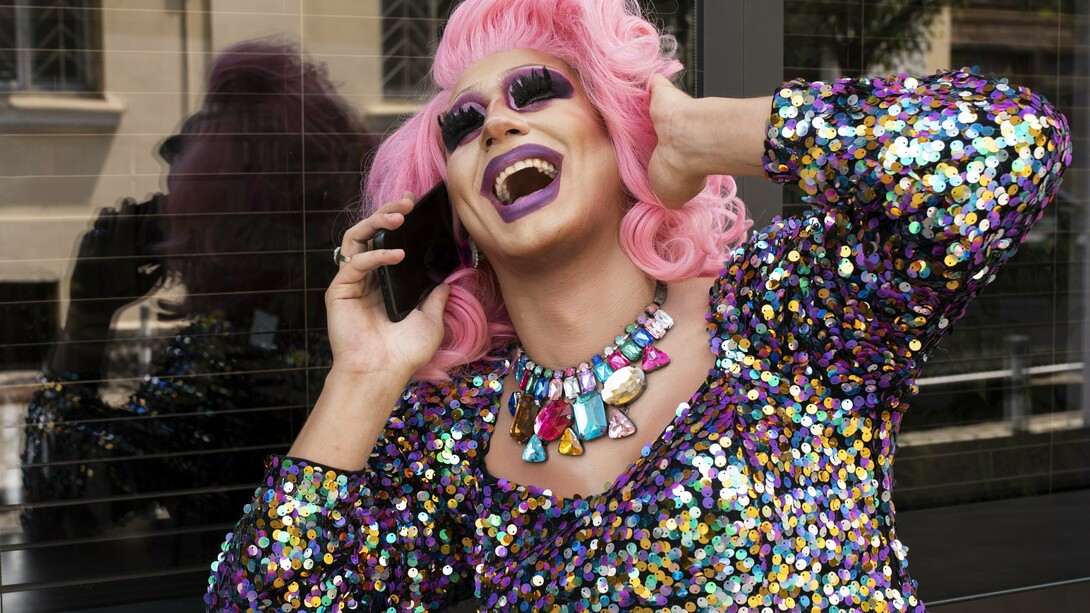
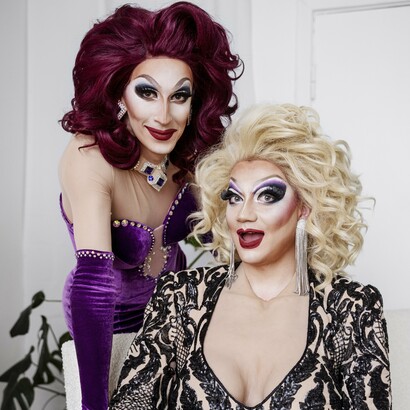
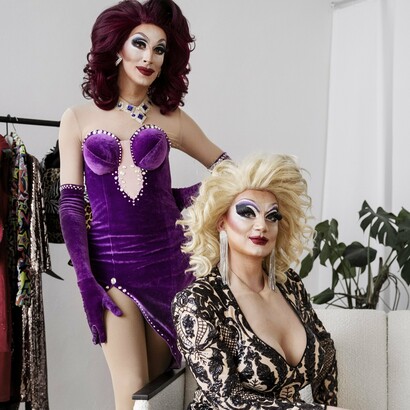
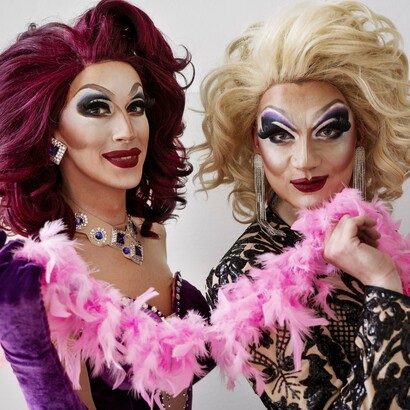
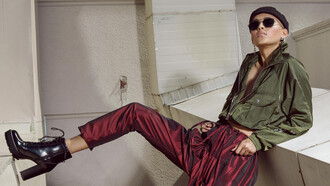
The world of drag queens and fashion has always shared a deep, dynamic relationship rooted in self-expression, transformation, and resistance. Drag queens have long been icons of reinvention—blending performance, costume, and creativity to challenge norms and redefine beauty standards. In many ways, fashion has served as a canvas for drag artistry, providing tools to blur gender boundaries and experiment with visual identity. The connection is more than aesthetic—it’s cultural and political. Every stiletto, sequin, and exaggerated silhouette tells a story of resilience and rebellion. For many drag performers, dressing up is not just about glamor, but about claiming space in a world that often tries to erase them.
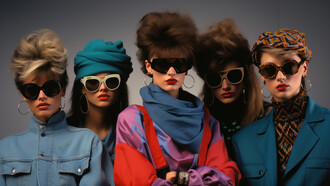
Historically, drag culture has existed in the shadows, surviving through underground balls, secret performances, and queer communities that used fashion as a tool for survival. From Harlem’s drag balls of the 1920s to the ballroom culture that inspired Madonna’s “Vogue,” drag has always relied on fashion to communicate presence and pride. Within these spaces, style became armor—a way to perform gender, status, and fantasy. The drag queens of those eras created looks that rivaled haute couture with limited resources, proving that true fashion innovation often comes from the margins, not the mainstream. Their influence would later ripple into high fashion, streetwear, and pop culture.
In return, the fashion industry has gradually acknowledged the influence and creative contributions of drag queens. Designers like Jean Paul Gaultier, Alexander McQueen, and, more recently, designers like Shayne Oliver and Charles Jeffrey, have cited drag as a major inspiration. Shows like RuPaul’s Drag Race have pushed drag into the global spotlight, making room for queens to collaborate with major brands and walk runways once closed to them. This shift marks more than just visibility—it represents a slow dismantling of rigid gender binaries within fashion. Through drag, fashion is reminded of its limitless potential, encouraging designers and consumers alike to think beyond the binary.
But the link between drag and fashion isn’t just creative—it’s deeply political. To be a drag queen, especially one of color or trans identity, is to be a living, breathing form of protest. Fashion becomes a political act when it’s used to defy gender expectations and societal oppression.
Whether walking down a runway or performing in a local bar, drag queens reclaim power through garments that challenge what it means to be feminine, masculine, or anything in between. In this context, fashion is not frivolous—it is a language of defiance, a visual scream for freedom, and a celebration of queerness.
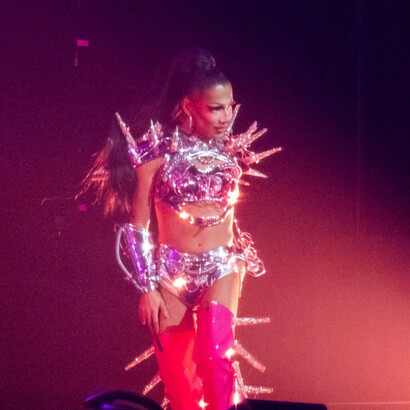
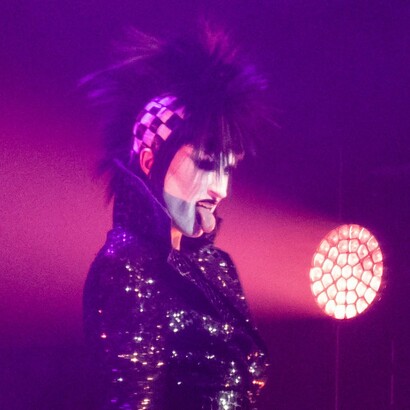
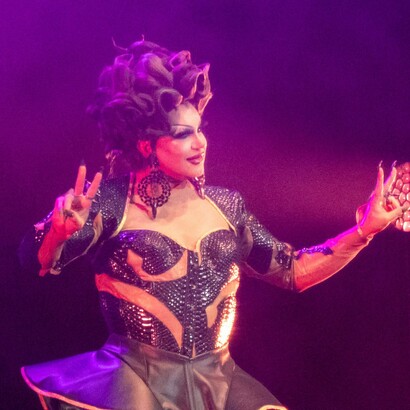
Drag fashion also pushes the boundaries of traditional style, showing us that fashion is performance. The boldness of a queen’s look—the towering wigs, over-the-top makeup, theatrical garments—is a reminder that clothes are not just worn; they are lived in, performed in, and politicized. Theatricality in drag encourages mainstream fashion to embrace fantasy and spectacle. It’s no surprise that many fashion designers have turned to drag queens to bring life to their shows, knowing that few can command a stage—or a look—like a queen can. In that sense, drag offers fashion something essential: fearlessness.
Furthermore, drag queens have played a major role in democratizing fashion. Through DIY culture, thrifted transformations, and makeup tutorials, they have shown that style is about imagination, not income. Social media platforms have only amplified this effect, giving queens global visibility and allowing their creations to influence everything from street fashion to luxury collections. They’ve blurred the line between consumer and creator, reminding the world that you don’t need a fashion degree or runway access to make a statement. In doing so, they’ve shifted fashion’s center of gravity, moving it closer to the people.
Drag’s influence has also helped fashion rethink inclusivity. As calls for diversity grow louder, drag queens continue to push for representation not only of LGBTQIA+ individuals but also of all bodies, races, and gender expressions. The presence of plus-size queens, trans queens, and queens of color in campaigns and shows disrupts conventional beauty standards and invites fashion to become more honest, more expansive, and more reflective of real people. Drag encourages the fashion world to not only see queerness, but to celebrate it—visibly, proudly, and unapologetically.
At the same time, drag queens have become fashion educators, consciously or not. Their styling choices often reference art history, fashion history, and pop culture, all woven into layered, satirical, and often humorous looks. A single outfit might pay homage to 1980s Mugler, Marie Antoinette, and hip-hop culture all at once. This collage of references challenges fashion’s gatekeeping and repositions drag queens as curators of culture. In this way, they teach audiences to look deeper, to decode visual language, and to appreciate the richness of cultural remixing.
Today, collaborations between drag artists and fashion houses are more common than ever. Queens like Violet Chachki, Aquaria, and Symone have modeled for luxury brands, appeared in fashion magazines, and walked prestigious runways. These moments signal a changing industry —one that finally recognizes drag not as a sideshow but as a legitimate force in shaping trends, aesthetics, and identities. The drag/fashion alliance is no longer underground; it’s front row at Fashion Week, on billboards, and embedded in editorial shoots. But this visibility must not replace the activism at drag’s core—it must amplify it.
As drag continues to evolve, so too does its role in fashion. With the rise of digital drag, virtual fashion shows, and genderless collections, the possibilities are endless. Drag queens remain at the forefront of these innovations, testing new formats and challenging what fashion can be. They remind us that clothing is never neutral—it carries stories, struggles, and dreams. And in a world where LGBTQIA+ rights are still under threat, drag queens stand as luminous beacons, using fashion not just to dazzle, but to demand change. Their presence is a protest, a performance, and a promise.
In conclusion, the relationship between drag queens and fashion is one of mutual transformation. Drag artists have reshaped how we see style, identity, and beauty—turning looks into statements, and statements into movements. Meanwhile, fashion has given drag a platform to speak louder, shine brighter, and inspire deeper. Their bond is rooted in imagination, resistance, and the radical belief that everyone deserves to be seen as they truly are. Together, they remind us that fashion is not just about what we wear—it’s about how we live, love, and express ourselves unapologetically.