English
 Español
 Français
 Deutsch
 Italiano
 Português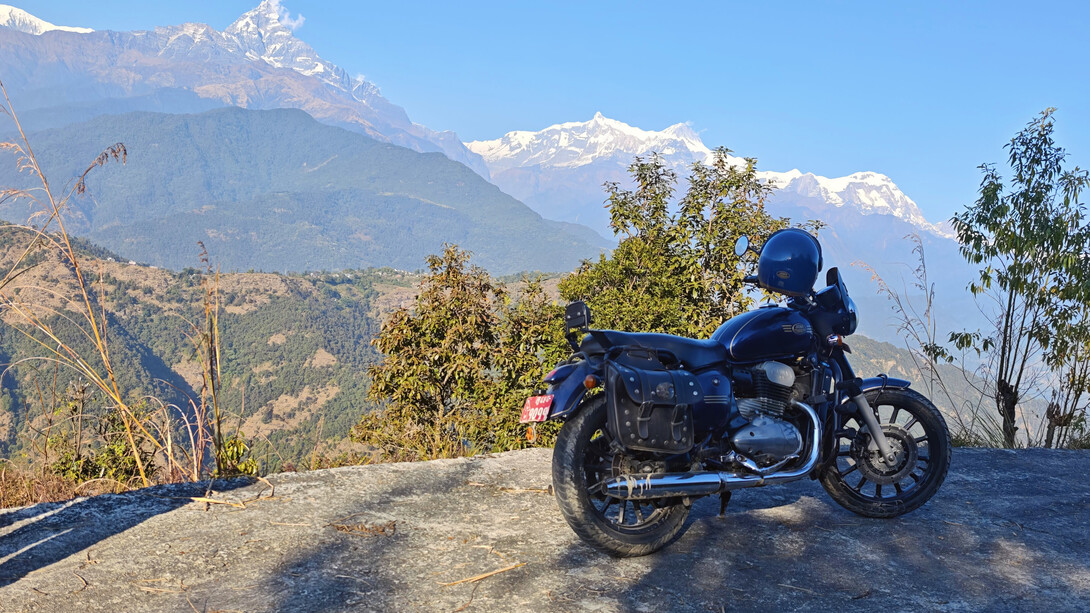
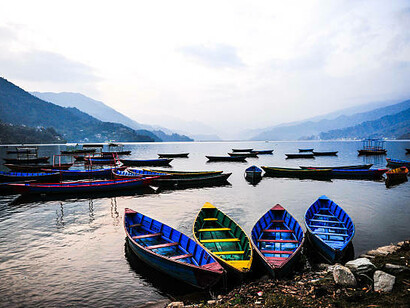
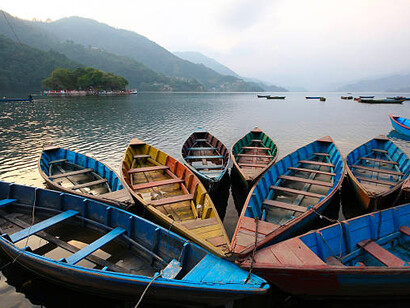
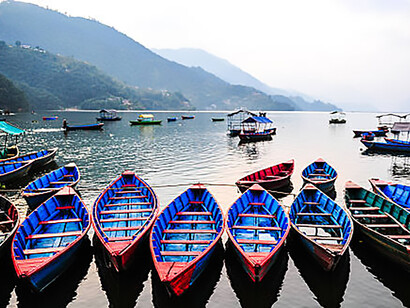
The engine of my Jawa 42 barked a low, throatier growl as I pulled out of Pokhara. It was 6:00 AM, and the city was just beginning to stir. Behind me, the Annapurna range was painted in the first pale pinks of dawn; ahead of me lay the winding, unpredictable ribbon of the Mid-Hill Highway.
I wasn’t just going for a ride. I was heading toward Dhorpatan Hunting Reserve, the only one of its kind in Nepal. It’s a place people whisper about—a high-altitude plateau of marshlands, blue sheep, and rugged isolation. My Jawa, with its neo-retro stance and punchy liquid-cooled engine, felt like the perfect companion for a journey that was about to transition from smooth tarmac to raw, high-altitude grit.
The push out of Pokhara
The first stretch toward Baglung is a familiar dance. You lean into the paved curves, feeling the cool air off the Seti River. On the Jawa 42, the handling is sharp; it tucks into the corners of the Hemja stretch with a sportier urgency than the heavier cruisers I’ve ridden before. But as a motorcyclist in Nepal, you know that "paved" is a relative term.
By the time I bypassed the bustling town of Baglung and headed toward Burtibang, the road began to show its teeth. The Mid-Hill Highway is an ambitious project, but nature has a way of reminding you who’s boss. I navigated stretches of fresh asphalt followed immediately by gravel pits and mud tracks where the monsoon had claimed the cliffside. My forearms were already tight, the Jawa’s flat handlebars vibrating as the tyres skipped over loose stones.
The gateway: Burtibang
Burtibang is the last "real" town before you commit to the climb. It’s a vibrant hub tucked into a deep valley. I stopped here for a plate of dal bhat—the fuel of the Himalayas.
"Going to Dhorpatan on that?" a shop owner asked, eyeing the sleek lines and low profile of the Jawa. "The road is... adventurous. Be careful of the clearance after Adhikarichaur."
I nodded, checking my bash plate. He wasn't joking.
The ascent into the clouds
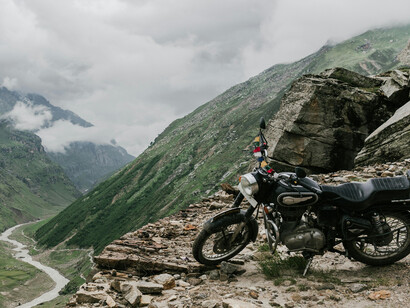
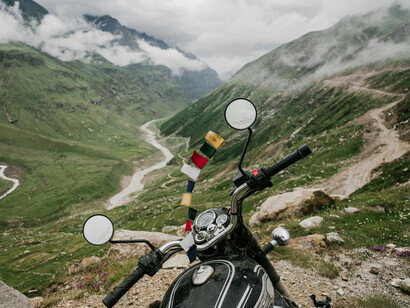
Leaving Burtibang, the world changes. The subtropical heat of the valleys drops away, replaced by the scent of pine and damp earth. This is where the real riding begins. The road narrows into a steep, rocky trail that hugs the side of the mountains.
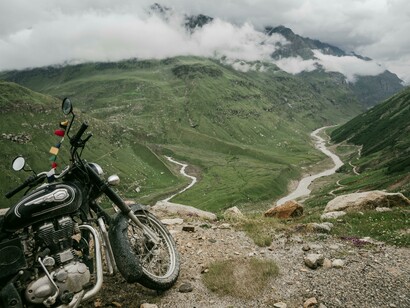
Every hairpin turn revealed a deeper layer of the Dhaulagiri range. The Jawa’s short-stroke engine sang in second gear, its 27-odd horses working hard to push me upward. There’s a specific kind of meditation that happens on a motorcycle in the dirt. You can’t think about your bills or your emails; you can only think about the line you’re taking through the next rut, praying the twin exhausts don't bottom out on a stray boulder.
The terrain: shifting from loose gravel to hard-packed red clay.
The sights: waterfalls cascading over the road, forcing me to splash through icy runoff that sizzled against the hot engine fins.
The vibe: fewer vehicles, more mule trains. The tinkling of bells replaced the sound of horns.
As I crossed the final ridge at nearly 3,000 meters, the view opened up. I killed the engine. The silence was absolute. Below me lay the Dhorpatan Valley—a massive, emerald-green bowl hidden between giant peaks.
Life in the high valley
Entering Dhorpatan feels like crossing a portal into the past. There are no high-rise hotels or neon signs. Instead, you find clusters of stone houses with wooden roofs, smoke curling lazily from chimneys.
The Tibetan influence
Many residents here are of Tibetan descent, descendants of those who crossed the border decades ago. I parked the Jawa outside a small teahouse run by a woman named Pema. The locals gathered around the bike, curious about its modern-yet-classic look. The hospitality wasn't flashy, but it was deep. A cup of salted butter tea (Su-Chya) by a crackling fire did more for my soul than any luxury spa ever could.
The hunting reserve
It’s a bit of a paradox, isn’t it? A "hunting reserve" in a country known for its peaceful spirituality. But Dhorpatan is a masterclass in conservation.
The blue sheep (Naur): this is the prize. Professional hunters pay thousands of dollars for a permit to hunt a limited number of ageing males.
The revenue: these funds go directly back into the local community and the protection of the habitat.
The wildlife: even if you aren't a hunter, you see Himalayan tahr, barking deer, and, if you’re lucky, the elusive snow leopard's tracks.
The ride to the "end of the world"
The next morning, I took the Jawa further into the valley toward the Phagune Phedi. The tracks here aren't roads; they are suggestions. I rode through marshy meadows where horses grazed freely, their manes caught in the wind. The Jawa 42 felt surprisingly nimble here, its lighter weight allowing me to flick it around the soft patches of mud.
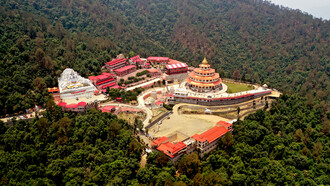
I found myself at the Dhorpatan Monastery, a colourful splash of red and gold against the green hills. The monks were chanting, their deep voices vibrating through the thin air. It’s a humbling feeling to be a speck on a motorcycle in such a vast, ancient landscape.
Reflections from the saddle
The ride back to Pokhara was faster, but my mind was slower. I had gone looking for a "destination", but I found a rhythm. Dhorpatan isn't a place you go to check a box; it’s a place you go to remember what it feels like to be small.
For any rider thinking of taking a Jawa 42 on this trip:
Mind the clearance: take it slow over the big rocks; your exhaust headers will thank you.
Check your tyres: ensure your pressure is right for the dirt.
Pack layers: It can be 20°C in the sun and -5°C the moment the sun drops.
As I rolled back into the paved streets of Pokhara, the Annapurnas were still there, glowing in the dusk. I was covered in dust; my bike was caked in Himalayan mud, and I was exhausted—but the Jawa hadn't missed a beat. I was already planning the next high-altitude escape.