English
 Español
 Français
 Deutsch
 Italiano
 Português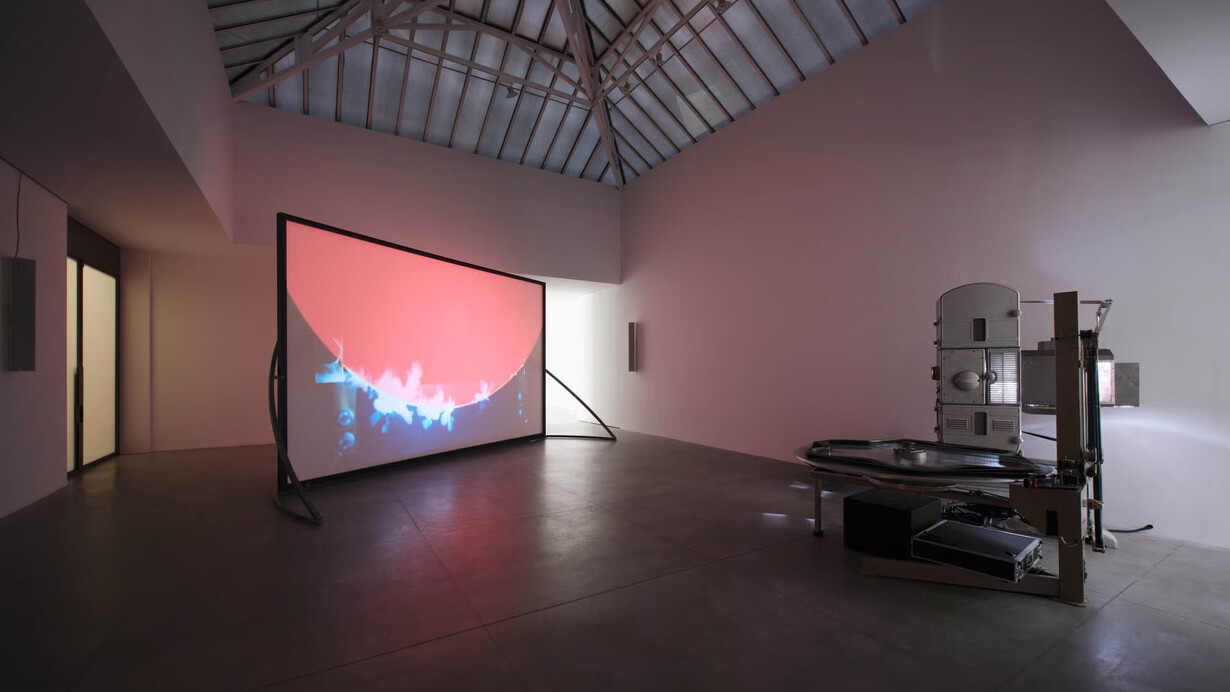
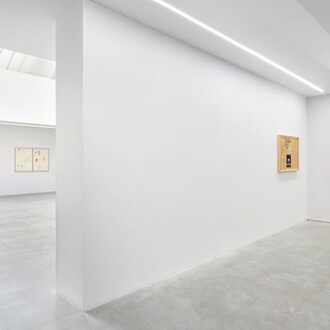
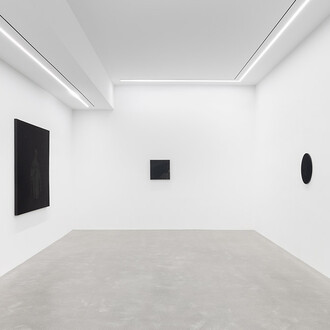
Vistamare is pleased to present Tangible kinships, the second solo exhibition by Rosa Barba at the gallery in Milan.
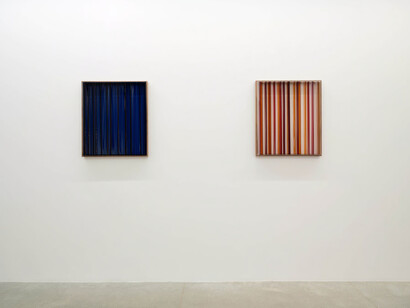
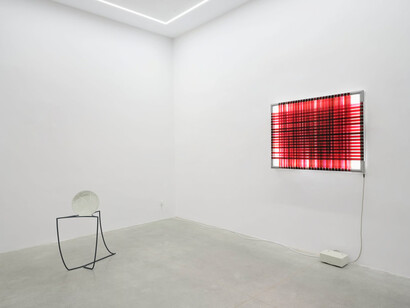
Highlighting Barba’s ongoing interest in film as both an image-making medium and a physical system involving light, projection, performance and space, the exhibition brings together a new group of works that engage in a layered dialogue with her film Charge, which premiered at the Museum of Modern Art (MoMA) in New York in 2025 and is presented in Italy for the first time.
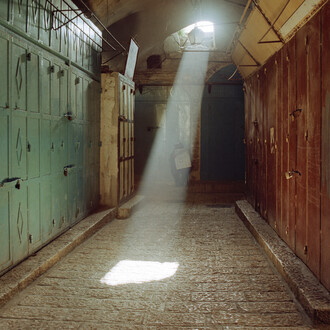
‘Film’ forms the ground for an expanded spatial multiplicity manifesting as a space beyond cinema; and it constitutes the material frame to investigate themes such as landscapes, environmental change, memory, archives, and the relationship between cinema and astronomy. Barba’s multifaceted explorations, translated into film, consistently reveal the connections between her chosen medium and natural phenomena, such as the flicker of a star or a projection, and the use of light as a measure of distance and time. These ideas also touch on perception, including illegibility and the limits of what we can see and understand. As the artist explains, “a fact essential to both astronomy and cinema is that light can only be perceived in contrast to the darkness around it.”
Within this context, Barba’s perpetual search for contesting and recasting truth and fiction, myth and reality, metaphor and material, speaks of an artist for whom an ethics of responsibility, hospitality, empathy is a given. And when she refers to speculation, she means a zone of reflection and discussion where hypotheses can be built up — a space that exists to bridge real gaps in knowledge through imagining and inventing possible explanations for curious phenomena in our worlds.
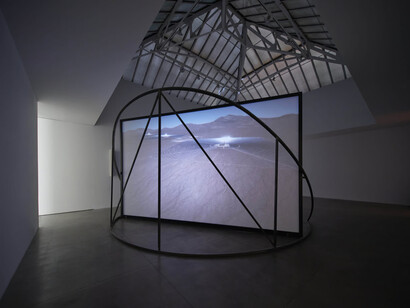
The nucleus of the presentation at Vistamare is Charge (2025), a 35mm film including optical sound, that considers light as a source to transform the future and thus as a powerful force within technological and environmental processes. Filmed across landscapes shaped by research facilities and industrial infrastructure, the work reflects on how energy, scientific experimentation, and the built environment intersect. As in many of Barba’s films, the camera moves through locations where human activity and natural systems meet, confront and confound one another, suggesting broader questions about how light influences the way we understand and shape the world.