English
 Español
 Français
 Deutsch
 Italiano
 Português
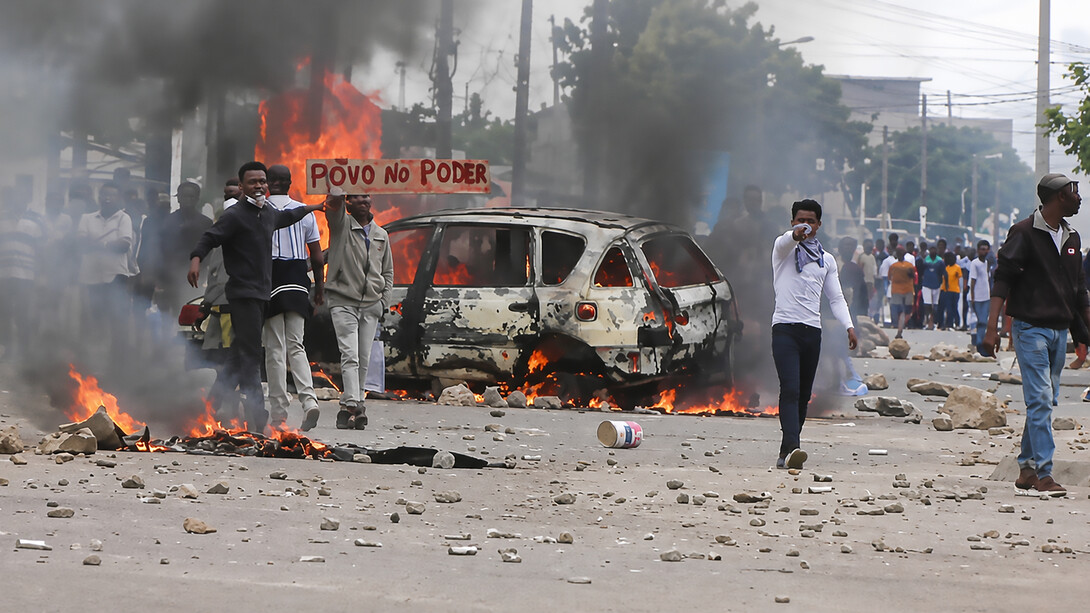
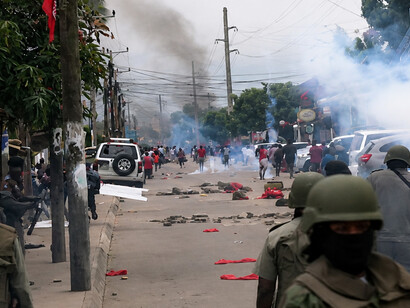
February 2008, September 2010, March 2023, and the post-election protests of October 2024 represent defining moments in Mozambique's post-independence history. Although each emerged under different circumstances, they reveal recurring tensions over economic hardship, political accountability, and citizen participation.
Whether or not Mozambicans are united on the struggles these dates represent, the exposure of the frustration, disillusionment, and disappointment within youth socio-economic dynamics is indisputable. These events have created a legacy of reflection centred around the type of nation we’re building and how we as citizens might be contributing towards its increasingly fragile state.
Here’s how the youth are shaping the future of Mozambique.
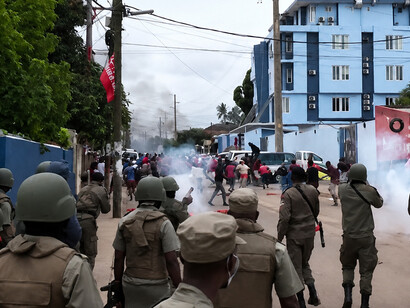
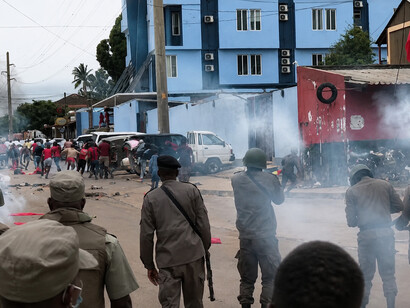
The wave of protests in 2024, overwhelmingly driven by the youth population, created the false impression that the phenomenon and sentiment presented were relatively new and without sufficient substance to maintain their ground.
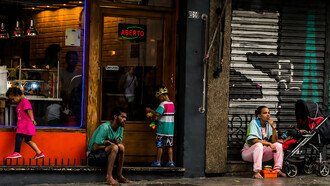
Dating back to February 2008, protests began in the Mozambican capital of Maputo as the population expressed frustration tied to the disproportionate standard of living that the working class endured in light of rising living costs. While these economic changes were city- or even nation-wide, the working class faced an extremely different reality due to a substantially low minimum wage, which was challenging to match with the 50% increase in costs of public transportation – the main means of getting across Maputo for thousands.
The striking aspects about an event that occurred 18 years ago are how it emerged and the government’s response.
On the morning of February 5th, 2008, groups of people concentrated in Maputo began to assemble by being coordinated beforehand through SMS. The use of technology and the internet became crucial for citizens seeking to organise and share information outside traditional communication channels even more than 10 years later. Although many participants described the demonstrations as peaceful, some official statements characterised them as violent and referred to participants as "probably delinquents and unemployed". Critics argued that this framing failed to engage with the grievances raised by protesters.
Unsurprisingly, the protests that followed in September 2010, again concerning rising living costs, faced the same patterns as the manifestations that took place two years prior. However, 2010 introduced a symbol that would prevail for decades. In 2008, rapper Azagaia released the song “Povo No Poder” (People In Power), in which he advocates for the working class and acknowledges protestors who were disadvantaged during the 2008 cost-of-living crisis. He also calls for unity among the nation, entrusting citizens to bring about change through their advocacy and right to assemble.
“Povo No Poder” became not only a protest symbol but also the embodiment of the struggle and civil injustices citizens faced both daily and in moments of crisis.
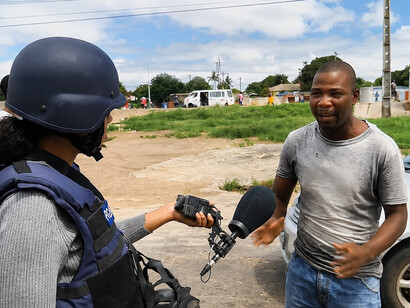
From an observational perspective on the motives behind youth-led protests, journalist João Camargo argues that Mozambique's post-independence economic trajectory was shaped by neoliberal reforms promoted through structural adjustment programmes supported by the World Bank and IMF. According to Camargo, these reforms contributed to an extractive economic model in which the country came to function "like a mine", with raw materials and profits flowing outward while many citizens experienced limited economic benefits.
Although supporters of these reforms argued they would promote economic development, many critics contend that the expected benefits have not been broadly experienced by ordinary Mozambicans. Critics argue that one contributing factor is the emphasised dependence the Mozambican government places on external investments, creating a network which allows the extractive economic principle to prevail, in addition to the continuous privatisation of the small economically advantageous activities still managed by the government.
The past truly set the foundation for 2023 and 2024. Although not initiated by a cost-of-living crisis, there was an increasingly bottled frustration aimed at the governance. After years of economic inequalities and public speculation, the infamous ‘Tuna Bond Case’ generated, many citizens increasingly directed their frustrations toward political leaders whom they viewed as insufficiently accountable.
Not only was this a significant moment in which the former liberation movement was being questioned for their continued legitimacy despite public dissatisfaction, but also a moment in which many young Mozambicans increasingly questioned political and economic structures that they believed contributed to persistent poverty, inequality, and limited political participation.
Although the focus of youth-led protests has shifted, the target remains the same: tackle inequalities. Yet the focus has become clearer: address inequalities through political reform, greater accountability, or electoral change.
The evolution from 2023 to 2024 represents the familiar pattern of fatigue from a lack of change. Public mistrust and discontent sentiments rose, especially after the ‘Tuna Bond Case’ domestic trial failed to deliver meaningful accountability. Combined with allegations of political repression raised by civil society organisations, this contributed to growing interest in alternative political movements that promised greater political freedom. Subsequently leading to an increase in protests, public rancour, and the rise of opposition figures such as Venâncio Mondlane, who have campaigned on promises of political reform and greater pluralism.
The scale of recent youth mobilisation and the explicit questioning of governmental legitimacy mark an important moment in Mozambique's contemporary political history. For many participants, this movement represents a demand for greater accountability from political leadership while also questioning the systems that have enabled inequality to persist.