English
 Español
 Français
 Deutsch
 Italiano
 Português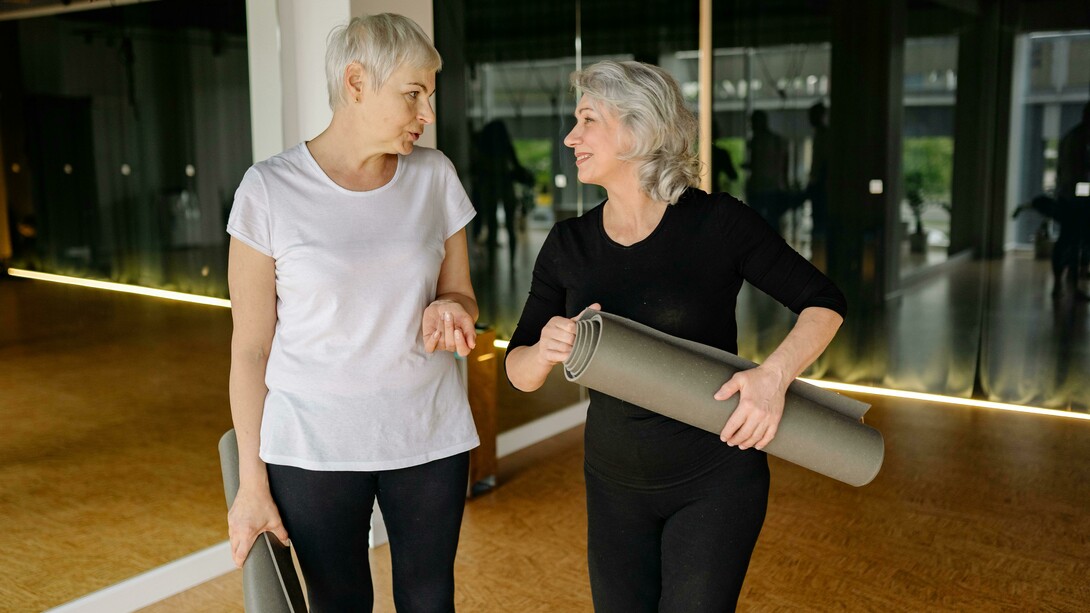
"Be old, but don’t be useless” is a powerful reminder that ageing does not mean losing purpose or value. It encourages embracing later life with a mindset focused on contribution, engagement, and continuous growth. Ageing can be a stage of productivity, learning, and meaningful participation in society rather than withdrawal.
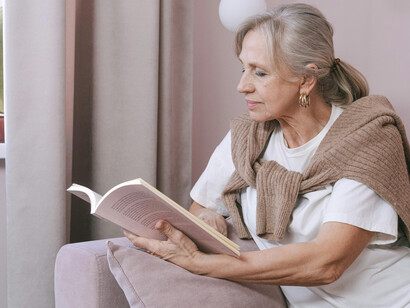
One important way to remain useful is to keep learning. Staying curious, exploring new ideas, and developing new skills keep the mind active and engaged. Whether it involves learning a new language, taking up a hobby, or attending educational programmes designed for older adults, lifelong learning helps maintain relevance and mental sharpness.
Physical activity is equally essential. Regular exercise such as walking, swimming, yoga, or strength training supports both physical and mental health. Mind-body practices like tai chi, meditation, and yoga further enhance balance, flexibility, and emotional well-being.
Contributing to the community also brings a strong sense of purpose. Volunteering time and skills for meaningful causes allows older adults to remain connected and impactful. Mentorship is another valuable contribution, as sharing knowledge and life experience helps guide younger generations.
Maintaining social connections plays a crucial role in emotional well-being. Staying in touch with family, friends, and social groups prevents loneliness and strengthens support systems. Joining clubs or interest-based groups also provides opportunities to build new relationships and feel a sense of belonging.
Embracing technology can further enhance engagement. Learning to use modern tools and digital platforms helps older adults stay connected, access information, and explore opportunities such as online learning, virtual social activities, and fitness programmes.
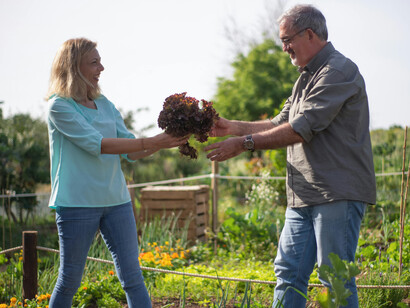
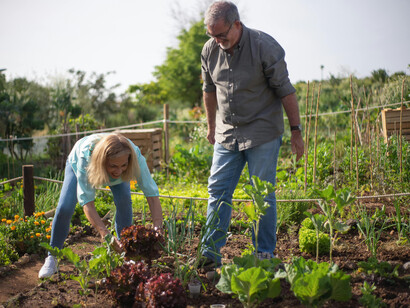
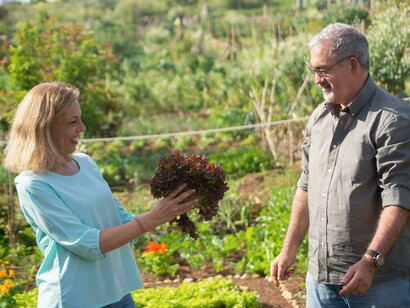
Pursuing passions and hobbies keeps life enjoyable and meaningful. Activities such as gardening, writing, painting, travelling, or building things provide fulfilment and satisfaction. Creative or productive work that results in something tangible can be especially rewarding.
Adaptability is another key factor in remaining active. Ageing naturally brings changes, but accepting them and finding new ways to continue meaningful activities helps maintain independence. Facing challenges with resilience and a positive outlook keeps individuals feeling capable and strong.
Focusing on purpose and meaning is essential for long-term fulfilment. Reflecting on personal goals, contributing to others, and nurturing spiritual growth through meditation, prayer, or reflection can provide deep motivation and direction in later life.
Giving back also strengthens a sense of usefulness. Sharing life stories, teaching others, supporting charitable causes, and performing acts of kindness create a lasting positive impact. Maintaining a positive attitude, practising gratitude, and enjoying life’s simple pleasures, including humour and laughter, further enrich the ageing experience.
By following these principles, individuals can age with dignity, purpose, and continued usefulness, making later years fulfilling and meaningful.
Getting old and getting useless are two different things
Getting old and becoming useless are completely different ideas. Ageing is a natural process that does not reduce a person’s worth, abilities, or contributions. In fact, growing older often brings new strengths and opportunities.
One of the greatest advantages of ageing is the accumulation of experience and wisdom. Older individuals possess knowledge and insights developed over years of living, which can be extremely valuable to others. Many serve as mentors, guiding younger generations and helping them avoid mistakes while making informed decisions.
Older adults also continue to contribute productively. Many remain active in their careers, volunteer work, or personal pursuits even after retirement. While skills may evolve with age, they do not disappear. Instead, people often adapt them to new areas such as technology, creative activities, or community involvement.
Emotionally and socially, older adults play vital roles. They often provide stability, emotional support, and guidance to families and communities. Remaining socially engaged through clubs, gatherings, and community activities helps maintain influence and strong connections.
Personal growth does not stop with age. Many older individuals continue learning, exploring new hobbies, or pursuing educational opportunities. Engaging in activities that bring joy—such as travelling, gardening, art, or spending time with loved ones—adds fulfilment and purpose.
Society is also gradually challenging the stereotype that ageing leads to uselessness. There is increasing recognition of positive ageing, which focuses on strengths, contributions, and opportunities rather than decline. Older adults are now seen as active participants in social and economic life.
Health and vitality also support continued usefulness. Advances in medicine, nutrition, and wellness practices allow many people to live longer and healthier lives. Staying physically and mentally active helps maintain independence and quality of life. Adaptability and resilience enable individuals to adjust to life changes and continue thriving.
Finally, ageing often brings a focus on legacy and lasting impact. Older adults preserve cultural traditions, share family histories, and pass down values that shape future generations. Their influence continues long after they are gone through the lives they touch and the lessons they leave behind.
Getting older does not mean losing value; instead, it often means discovering new ways to contribute, grow, and influence others. Ageing is a stage of continued development, purpose, and meaningful engagement, far removed from the idea of becoming useless.