English
 Español
 Français
 Deutsch
 Italiano
 Português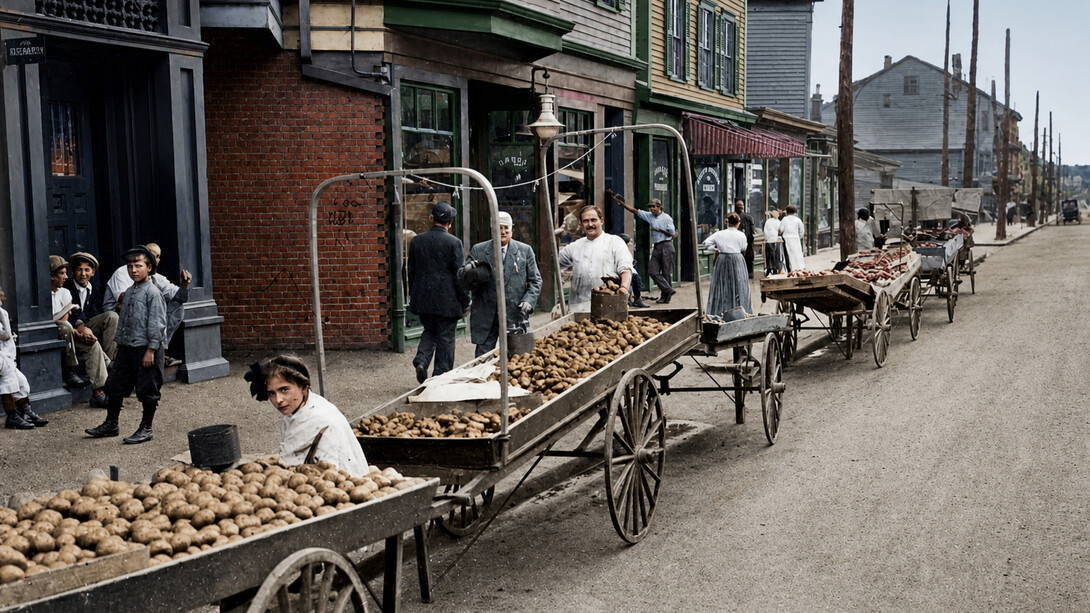
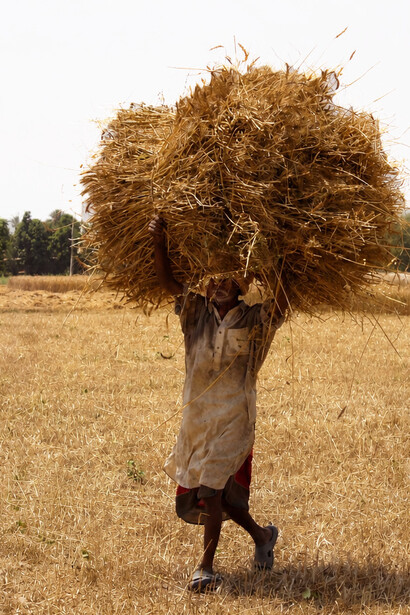
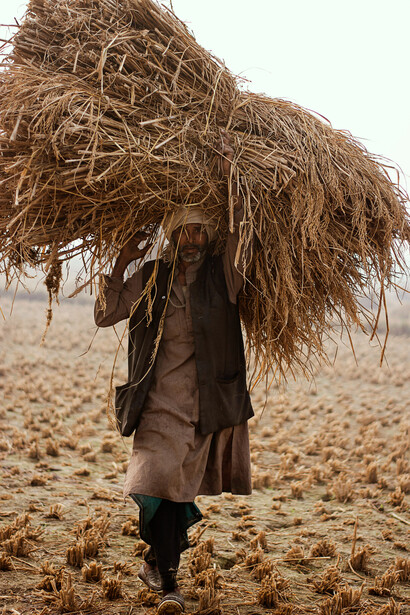
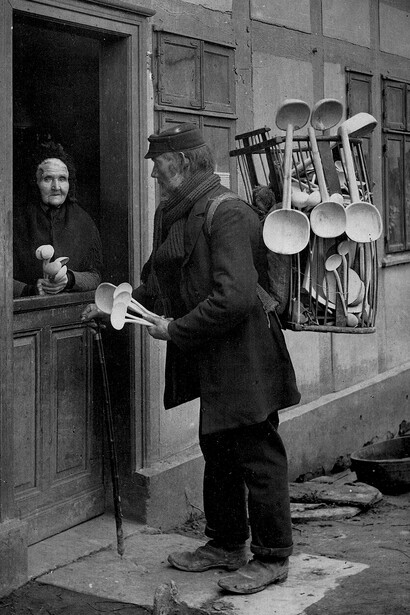
The fallah struggled, one thump after another, along the endless path before him. A lone person in the quiet emptiness. Only the sound of his heaving lungs and the occasional crow cawing echo in the distance. A big bundle of household goods asleep on his back, like a small child. The objects tinkled and stirred softly among themselves, tied tightly together.
It was a chilly, windy day, with grey clouds gathering to hug their rainfall. From working the land in an isolated Lebanese village, he is selling goods to those who worked the land thousands of kilometres away in Canada.
As he trudges to exhaustion, he mumbles to himself and wonders, is a life of gruel with little hope better than gruel with an extra dose of hope?
"Amrika". It's the word designating a whole continent. A continent far away from home, whispering over and above the ocean to those who dreamt of prized opportunities. A vague, unknown painted in their minds.
Canada’s vast emptiness called for hard work and promised success. Pretty simple and so appealing!
In the late 1880s, Mount Lebanon was gripped by hardship. An unequal feudal system under the Ottoman Empire, combined with the collapse of the silk industry, vital to the economy, left families clinging to survival like a silkworm in a heatwave.
So, they left. In great numbers. The journey itself demanded courage, with weeks at sea in steerage class. Dark, crowded, and disease-ridden. Tired and filthy, they arrived on solid ground but with a disorientated state of mind. With only spare change and no knowledge of the language, reality filtered excitement from loneliness and the will from anxiety.
Even so, determination overcame fear. They came for a reason and expected physical hardship for a great reward. They knew it would be a valiant effort. They never realised it would be a strenuous exertion. With the few English words of “hello, please, work, and thank you" and no formal skills, their options were limited. But their ambition was unlimited. Quickly, they figured out the most accessible way to earn a living. Peddling.
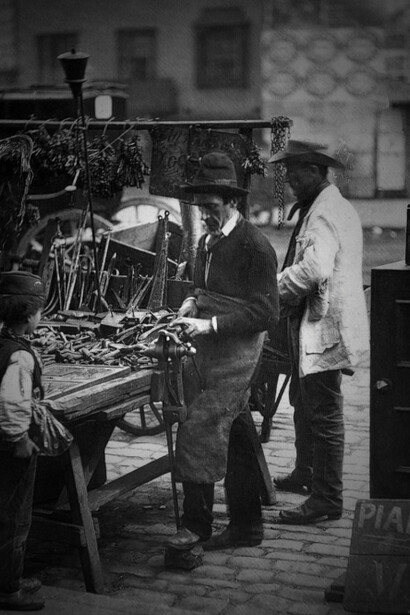
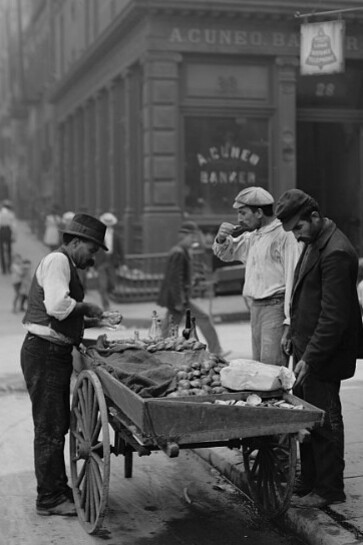
One hundred and fifty years ago, the peddler was a welcome knock on the door to rural farms and homes. Living in isolation, a trip to the city was a day or more’s journey to purchase basic necessities. This was a time when electricity was a candle's light, indoor plumbing was a bucket of water, and the spread of information was the breeze of a songbird. A confined, slow life meant the peddler was an essential provider and a welcome relief.
They carried nearly a hundred pounds of everything on their backs. Suspenders, shoelaces, sewing supplies, and little kitchen trinkets. The small things that make a big difference. Think of them as the Amazon of their time! With no delivery charges! Except pedalling in unlimited distances, unforgiving weather, and utter loneliness challenges the mind's and body’s spirit.
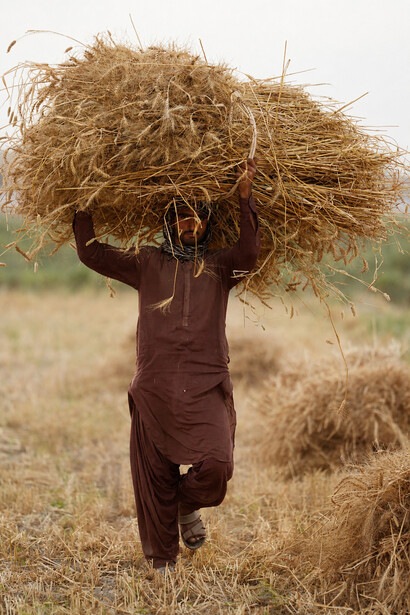
Over twenty kilometres a day, they persevered with weathered materials protecting their bodies, with only bartered food, water, and rest at each stop. A great cost to overcome for an arduous reward. And they persisted. With time, walking was promoted to riding, and riding was elevated to horse-pulled waggons that eased the peddler’s burden. As they saved enough money, some returned home, to their village, with a healthy nest egg to build a life and raise a family. Others chose to stay, having the entrepreneurial drive to open a general store, expand, and soon establish themselves as influential members of their communities.
The road forward was set with monotonous, gruelling labour. It took a crushing toll on them. Except, in those days, the path to success was paved almost entirely in physical endurance. That is why I tell this story. To understand their realisation of success in their time. To reflect on the purpose of success today.
Today, that physical hardship is not an element in the equation of success. The effort was muscular and skin deep. Can we even imagine enduring that snail’s pace grind, patiently saving to build and grow wealth? Where their progress was slow and steady, ours has become fast and relentless.
It seems we’ve entered a space where the rules and way of life have completely reversed. Technology has lightened our chores; intellectual windows are open for everyone. The snail’s pace has rushed into a leopard’s leap. But for every new strength, there needs to be an added weakness.
The peddler endured extreme physical strain, but he believed his drive would lead to a better life. His formula of success was sharing a plentiful meal with his family at dinnertime, easily moving to cultivate his harvest, and peacefully sleeping in a cushioned bed. Hope, steadiness, and forwardness.
Currently, it’s a mental grind over physical gruel. With the basics mostly accessible to everyone, rewards are mistaken for success. Entertainment, travel, possessions. Except the results of that grind are not guaranteed. Desire, determination, endlessness.
Endlessness.
Priorities have shifted from necessities to entitlements. Disguised as quests. It’s no longer about seasonal food but specific meals to support a lifestyle. We’re past needles and threads to machine-made fast fashion. No more a way to get there, it’s performance cars and flying to adventures in faraway destinations.
These privileges have a price. A looming presence overshadowing us. Non-stop burdening thoughts and flashing screens requesting an immediate response. It’s a continuous connection vying for attention. We succumb and they get what they want. Tired eyes and a hunched posture breathe out our fears and anxieties for a better life. But would it be a better life? When the peddler once bartered for the basics, today we barter our perspective of happiness. From slow and patient, we’ve become outpaced and rushed. From knowing what matters, we’re unknowingly relentless in pursuit.
The question really isn’t "Which era was better?" It’s whether we can reclaim the peddler’s conviction rooted in the values of what matters. Care for ourselves and our loved ones. Without surrendering the benefits of modernity.
Physical hardship isn’t coming back, nor should we want it to. But balancing effort with the wisdom of 'enough' might be the missing variable in today’s equation.
And so, I wonder, are we willing to fulfil the true model of success? And of contentment.