English
 Español
 Français
 Deutsch
 Italiano
 Português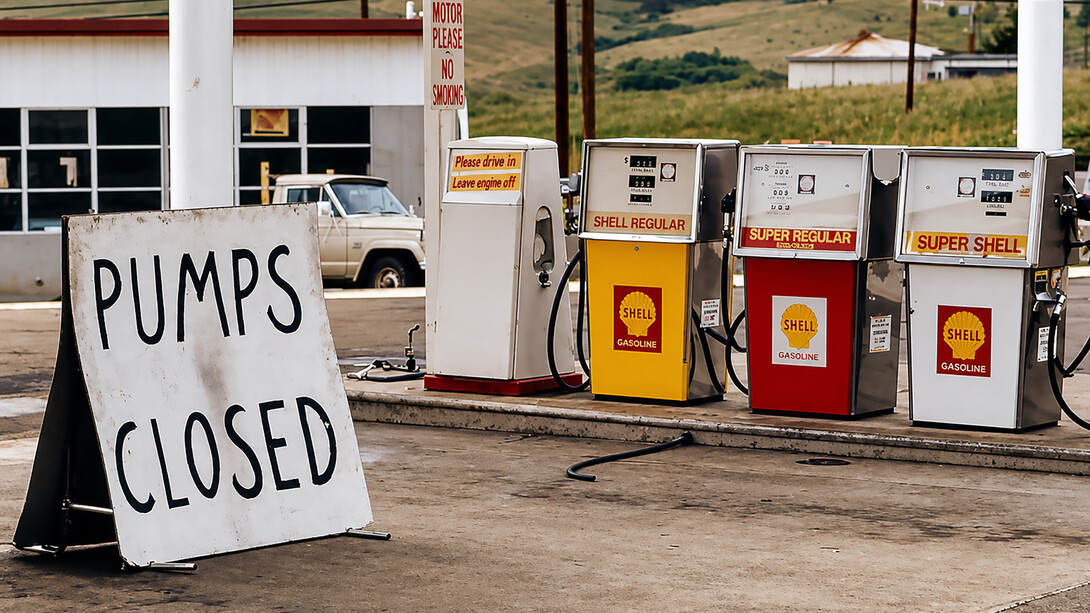
The recent report, “Military Escalation in the Middle East: Human Development Impacts Across Asia and the Pacific", published by the United Nations Development Programme (UNDP), identifies Sri Lanka as one of the most severely affected countries in the Asia-Pacific region in the wake of the ongoing Middle East conflict. While this assessment may initially appear disproportionate given Sri Lanka’s geographic distance from the conflict zone, a closer examination reveals a deeper structural reality: Sri Lanka’s economic model remains acutely vulnerable to external shocks, particularly those originating in the Middle East.
Sri Lanka’s 2022 economic crisis, its first and most severe macroeconomic collapse, exposed long-standing structural weaknesses, including excessive import dependence, limited export diversification, and a heavy reliance on foreign income streams. Although recent data from the Department of Census and Statistics suggests a gradual recovery, with GDP growth returning to around 5% after years of contraction, this recovery remains fragile at best. Improvements in foreign reserves and inflation control should not be mistaken for structural resilience; rather, they reflect short-term stabilisation achieved under constrained conditions. Against this backdrop, the Middle East conflict emerges not merely as an external disturbance but as a stress test of Sri Lanka’s unfinished recovery.
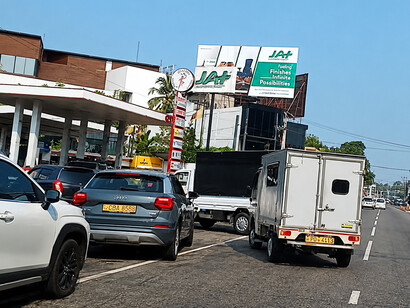
The most immediate transmission channel of this crisis is energy. Sri Lanka’s overwhelming dependence on the Middle East for fuel imports makes it particularly susceptible to disruptions in global oil supply chains. Any instability affecting key maritime chokepoints such as the Strait of Hormuz has direct and immediate implications for the country’s balance of payments. In an economy where fuel imports already account for a substantial share of government expenditure—estimated at USD 4–5 billion annually—even a moderate increase in global oil prices can have disproportionate fiscal consequences. A sustained escalation in the conflict, leading to a 25% increase in fuel prices, could add as much as USD 1–2 billion to Sri Lanka’s import bill. This is not a marginal shock; it is a destabilising burden for an economy still navigating debt restructuring and fiscal consolidation.
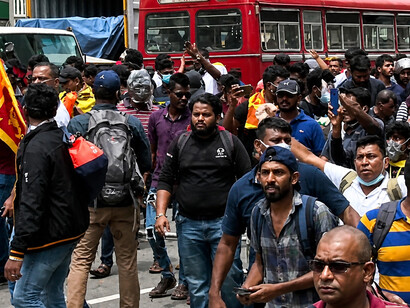
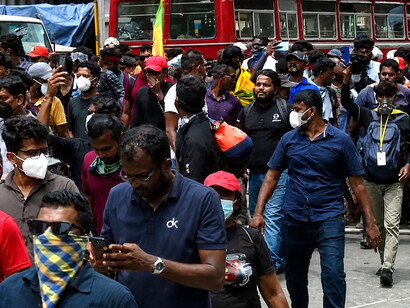
Yet the real concern lies not only in rising costs but also in their cascading effects across the domestic economy. Higher fuel prices inevitably translate into increased transportation and electricity costs, which in turn fuel inflationary pressures across sectors. Food prices, already sensitive to supply chain disruptions and input costs such as liquefied natural gas, are likely to rise further, disproportionately affecting low- and middle-income households. In a country where the state continues to function as a key welfare provider, these pressures will almost certainly translate into increased public expenditure, thereby complicating ongoing fiscal adjustment efforts.
More critically, the Middle East conflict threatens Sri Lanka’s primary sources of foreign exchange—remittances, tourism, and exports—revealing the extent to which the country’s economic stability is tied to external, and often volatile, environments.
Remittances remain the single largest source of foreign income, with more than half originating from Sri Lankan migrant workers in the Middle East. The region has long served as a critical labour market for low-skilled workers, particularly from rural areas. However, as noted by the Institute of Policy Studies of Sri Lanka, recent trends indicate a decline in labour migration due to flight disruptions, job market uncertainties, and heightened security risks. A contraction in Gulf labour markets would have far-reaching consequences—not only reducing remittance inflows but also intensifying rural economic distress. For many households, remittances are not supplementary income; they are the primary means of survival. The erosion of this income stream risks reversing gains in poverty reduction and widening existing socio-economic inequalities.
Tourism, the second-largest foreign exchange earner, is equally exposed. The sector is highly sensitive to global perceptions of risk, and geopolitical instability—regardless of its geographic proximity—tends to deter international travel. Sri Lanka’s reliance on transit routes through Gulf hubs further compounds this vulnerability. Disruptions in air travel, whether through cancellations or rerouting, have already begun to affect tourist flows. This is particularly concerning given that the country recorded over 2.36 million tourist arrivals in 2025, generating approximately USD 3.2 billion in revenue. Projections of up to a 50% decline in arrivals following the escalation of the conflict in March highlight the fragility of this recovery and the absence of sufficient shock-absorption mechanisms within the sector.
Exports, particularly tea, represent the third pillar of Sri Lanka’s foreign income—and here too, the risks are substantial. Gulf countries account for a significant share of Sri Lanka’s tea exports, contributing approximately USD 750 million annually. Disruptions to shipping routes, especially through the Strait of Hormuz, threaten not only delivery timelines but also market access. Estimated losses of USD 10–15 million per week underscore the scale of the potential impact. More broadly, this situation exposes a persistent weakness in Sri Lanka’s export structure: an overconcentration in a limited number of markets and products, leaving the country highly exposed to regional disruptions.
Taken together, these dynamics point to a fundamental issue that extends beyond the immediate crisis. Sri Lanka’s vulnerability is not simply the result of external shocks but of internal structural dependencies that have remained largely unaddressed. The Middle East conflict, in this sense, is less a cause than a catalyst—amplifying existing weaknesses rather than creating new ones.
In conclusion, the UNDP’s characterisation of Sri Lanka as one of the worst-affected countries is not an overstatement but a reflection of deep-seated economic fragility. While policymakers often frame external crises as unpredictable and unavoidable, the scale of Sri Lanka’s exposure suggests a failure to adequately diversify and future-proof the economy. Without meaningful reforms—particularly in reducing import dependence, diversifying export markets, investing in energy security, and creating sustainable domestic employment—the country will remain trapped in a cycle of vulnerability, where each external shock threatens to undo hard-won gains. The current crisis, therefore, should not be viewed merely as a challenge to be managed but as a critical juncture that demands a rethinking of Sri Lanka’s economic foundations.