English
 Español
 Français
 Deutsch
 Italiano
 Português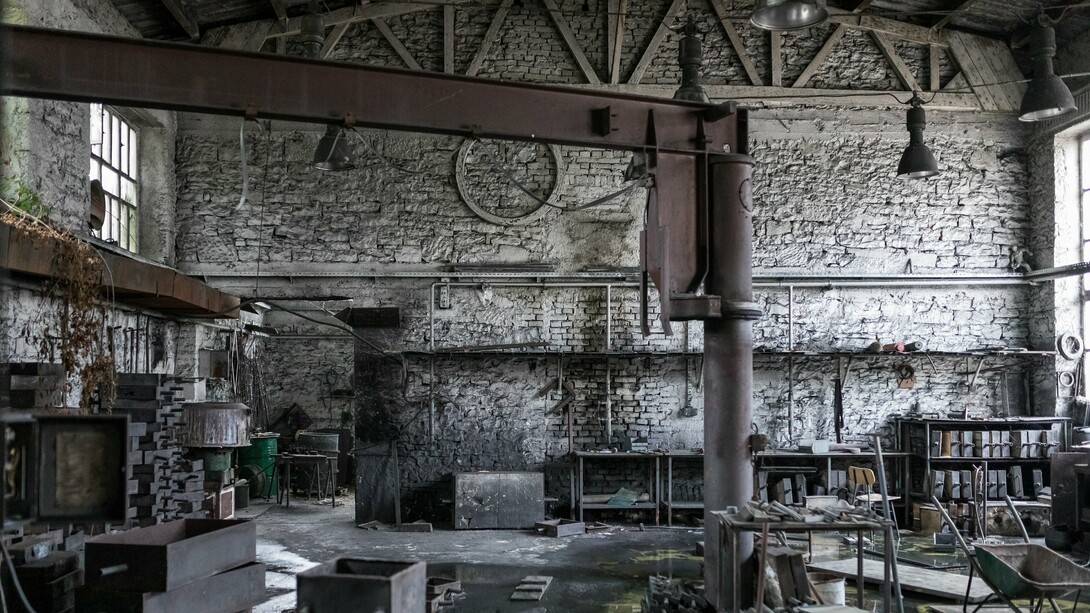
A quiet revolution is transforming the way people think about "home". Instead of an influx of new construction, architects and designers are leaning into adaptive reuse architecture, converting existing, non residential structures into future residences.
From abandoned warehouses in Australia to industrial lots in Chicago and New York City, the trend is giving older buildings a new lease on life. This approach to preservation is also sustainable, meets the growing demand for housing, and celebrates historical and architectural ingenuity.
Building a greener future by reimagining the past
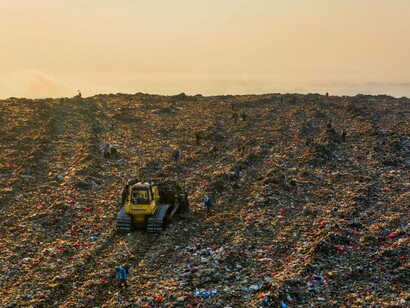
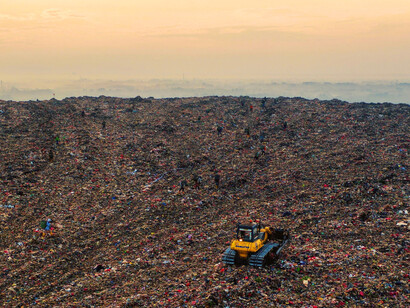
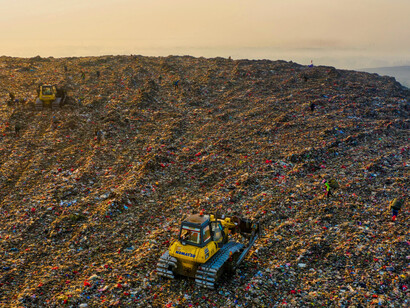
The construction industry has a notoriously high carbon footprint, with research showing that buildings account for 40% of total energy use1 and one-third of greenhouse gas emissions. Demolition of structures is also responsible for nearly 48% of solid waste generation.
Reconstructing and reusing buildings for residential purposes can help avoid waste accumulation and fulfil the housing needs of both current and future generations. After all, the most sustainable building is one that's already upright.
Preserving the embodied carbon of a building's initial construction is the most significant benefit of adaptive reuse architecture. Diverting debris from landfills and salvaging and repurposing materials are additional ecologically focused advantages. With this technique, builders need fewer raw materials and can help conserve resources.
Weaving history into our homes through preservation
If you've ever wandered through a historic section of your town, you might be curious about the interiors of an abandoned factory or warehouse. Many people never get the chance to see such buildings up close, as these nuggets of a bygone era are usually levelled and replaced with something modern.
Repurposing old buildings celebrates their past and harbours their stories into the future, their craftsmanship and character creating a visual and tangible link to your city's heritage. Residents can then move into a piece of treasured history.
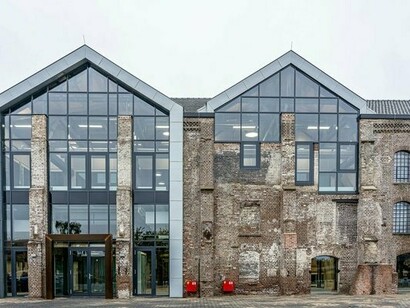
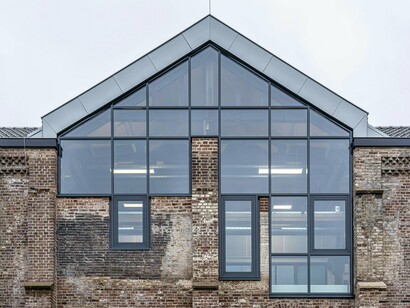
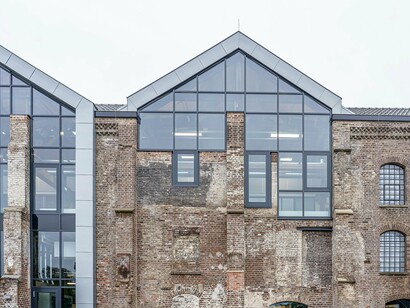
Often, the converted spaces retain their architectural features, which differ significantly from contemporary building designs. Some might have exposed brick walls, open floor plans, expansive factory windows and sky-high ceilings, which make for a distinctive loft living experience.
The exterior tells as much of a story as the interiors. Preserving the facade so it matches the original aesthetic is key. For instance, you can restore original wood siding to maintain historical accuracy for 20 to 40 years2 by applying paint and sealant with meticulous detail. Regular maintenance is necessary, though, to avoid rot.
The new faces of residential living
New housing developments aren't always the most effective means of providing accommodation for a growing population. A more sustainable approach is to use what currently exists. Here are ways cities are embracing adaptive architecture for residents and enhancing sustainability and liveability.
Commercial to residential
Excellent adaptive reuse examples include office buildings, factories, warehouses, hospitals and schools. In Europe, many churches have also been converted into multifamily units or single-family homes. The transformations usually preserve stained glass windows and vaulted ceilings while upgrading structures to meet today's building codes and enhancing indoor comfort.
The National Trust for Historic Preservation highlights several transformations throughout the United States. For instance, activist Leona Tate transformed McDonough No. 19 Public School in Louisiana into a civil rights museum, featuring 25 affordable housing units3 for low-income seniors.
Urban development and revitalisation
Adaptive reuse architecture breathes new life into forgotten corners of your city. Engineers and architects might transform vacant or underutilised facilities to alleviate urban sprawl without encroaching on natural, undeveloped landscapes.
They revive existing infrastructure to attract residents to formerly industrialised and commercialised areas, turning neighbourhoods into mixed-use spaces with better quality of life, work opportunities and entertainment. What was once a sleepy, old district may become a lively, dynamic hub that supports socialisation and sustainable urban development.
Driving forces
Economic necessity, a global housing shortage, higher construction costs, and a cultural shift toward authenticity and connection have driven the adaptive reuse of buildings. New construction can cost you $428,2154, including labour and materials, which is 64.4% of the average sales price of an existing home. Developers and prospective homeowners often find the steep costs to be unaffordable.
There is also an increasing appreciation for preserving the history and characteristics of older buildings, as people shift away from newer, cookie-cutter structures and opt for one-of-a-kind living spaces with distinctive details.
Overcoming the challenges of adaptive reuse architecture
While there is a growing interest in repurposing old or vacant buildings, normalising this approach to architecture poses several barriers. Among the many challenges are outdated zoning regulations and strict building codes that hinder creative reuse projects. New frameworks often fail to consider the unique conditions required by older structures.
Challenges also differ worldwide in preserving a building's cultural heritage. For example, Asia, Europe, the U.S., South America and Oceania must take extraordinary measures to handle hazardous materials5, like lead paint and asbestos, through costly remediation. Africa, Europe and the U.S. may also endure political circumstances that prevent progress. Additional challenges for adaptive reuse include the following:
Availability of skilled professionals with historic preservation expertise
Material compatibility to retain structural integrity
Safety compliance
Stakeholder disagreements over new uses
Lack of public awareness and consideration.
Making what's old new again
As cities aim to adapt historic infrastructure for modern use, converting vacant structures into residential dwellings holds considerable promise. The technique is as sustainable as it is practical, while safeguarding celebrated charm and character for years to come.
Notes
1 Frontiers, A framework for sustainable adaptive reuse: understanding vacancy and underuse in existing urban buildings, Gillian Armstrong, et al., 11 May 2023.
2 Heritage Exteriors, How to Tell If Your Siding Needs Repair or Full Replacement, Heritage Exteriors, 29 October 2025.
3 National Trust for Historic Preservation, New Year, New Building: 5 Adaptive Reuse Projects for Historic Buildings, Haley Somolinos, 3 January 2023.
4 Renovated, How Much Does It Cost to Build a House? An In-Depth Guide, Rose Morrison, 14 August 2025.
5 Science Direct, Challenges of cultural heritage adaptive reuse: A stakeholders-based comparative study in three European cities, Nadia Pintossi, et al., June 2023.