English
 Español
 Français
 Deutsch
 Italiano
 Português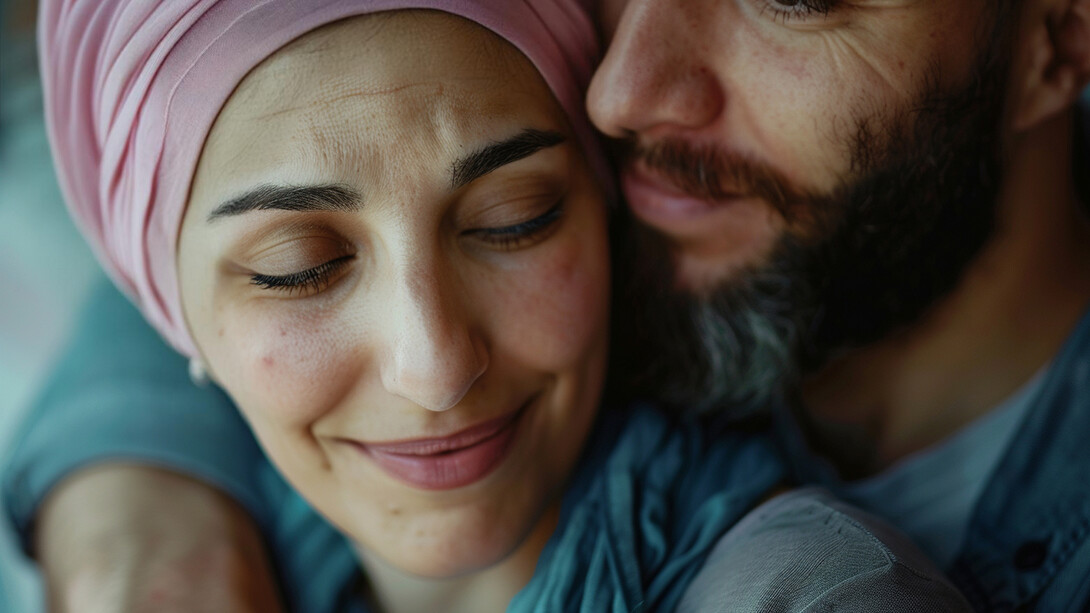
Sexual concerns remain largely understudied and undertreated in cancer. This is because sex among cancer patients is a taboo subject. However, studying sexual concerns among women who lose their breasts due to breast cancer is vital. Therefore, psychologists must discuss and focus more on this issue. This is because the number of cancer survivors is growing around the world. In the United States alone, there were 16.9 million survivors at the beginning of 2019, and the number is likely to increase to an estimated 22.1 million by 2030. Cancer treatment may lead to morbidity and quality-of-life issues in the short or long term. It is stated that a cancer diagnosis can affect the way a woman views herself, her sexual activities, and her intimacy throughout her life.
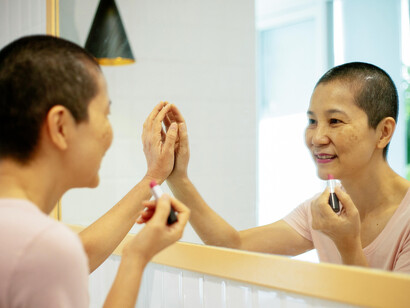
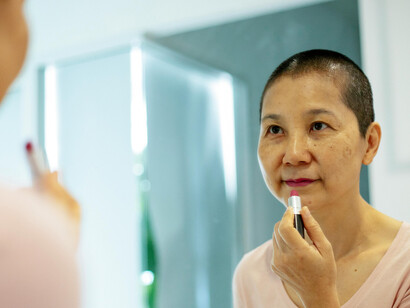
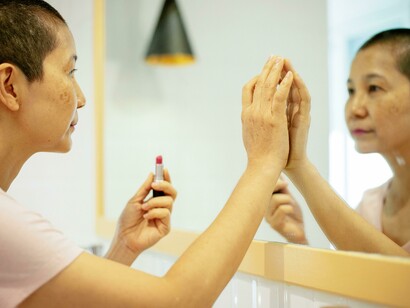
Despite the integrated role sexual life plays throughout the breast cancer chain, the sexual needs of women with breast cancer are rarely debated in books. A study on sexual quality of life in patients with newly diagnosed breast cancer indicated that about 60 per cent of breast cancer patients reported a disruption in their sexual quality of life. Cancer treatments affect women's sexual lives, including their interest in sex, their ability to give or obtain sexual pleasure, the way they see themselves, and the manner they think others would see them. On the other hand, not all patients will be affected by these changes or will be able to identify their exact feelings in terms of sex. Cancer patients need to know that the feelings or changes that they go through during cancer treatment will not last forever. Hence, they need to be motivated so that their sexual well-being can be improved because they matter to their partners.
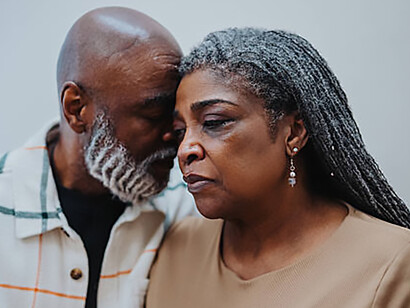
Generally, discussing sex and sexuality can be discomforting for some people, and it seems to be more discomfort for cancer patients to discuss their sexual needs even with their partners or close friends. Moreover, should the patients come from a background or embrace a culture that forbids sex to be discussed openly, then these patients would never share their feelings or issues concerning sex with anyone. Nevertheless, for some patients, sex is the least of their concerns, but for others it is the most pressing, even at an acute stage of illness.
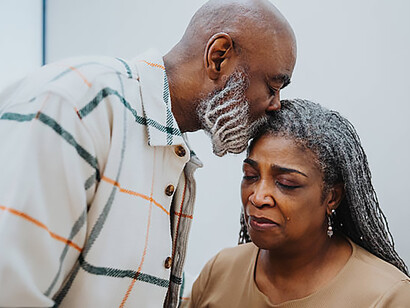
Sexuality comprises psychological, relational, biological, and cultural elements. Some patients might face difficulty in having sex after their cancer treatment, or they have thoughts of being unsure how to perform sex, and these might cause them to feel depressed. Glasgow, Halfin, & Althausen indicated that some patients have no sexual desires but are concerned about satisfying their partners' needs. They need the practitioner's "permission" to engage in sexual activity, after which they will feel better about themselves in general and as sexual partners in particular. Moreover, others may worry that their spouse will avoid them or reject them when they see how their body has changed. Patients may not be able to imagine being in a sexual position after what has happened to their bodies. Therefore, a counselling and clinical psychology approach can adequately capture and address cancer survivors' experiences and help them overcome their depression.
It is indeed normal for patients to feel angry about how their sexuality has been affected; researchers such as Ganz, Coscarelli, Fred, Kahn, Polinsky & Petersen indicated that sex and relationship difficulties that include lack of interest in sex, dysfunction in sexual activities, and socialising difficulties are some of the most common problems among cancer survivors. In general, the evidence for the amount of sexual anxiety in cancer survivors varies. Some studies have found a decrease in the sense of fulfilment and having fun during sex among survivors compared to the general population, while others have found no changes. In general, at least a subgroup of cancer survivors seems to have significant sexual performance problems.
In research I conducted in a Muslim country, one hundred patients were recommended to participate, but only 46 patients were psychologically, mentally, and emotionally able to talk about this sensitive topic, as culture has a great impact on being able to talk about this topic openly. Indeed, patients often do not like to highlight sexual problems, and they keep them to themselves, especially in Muslim countries, due to cultural barriers. During the study, the participants were going through a difficult stage in their lives that was full of stress, anxiety, and trauma. This would prevent them from behaving normally, expressing their sexual desire, and sharing their sexual needs. The outcome of this research indicated that not all patients lost interest in sex during cancer treatment, but their sexual activity was not sufficient. Some patients force themselves to satisfy their husband's needs and perform their duties as a wife, but that leads them to more depressive thoughts and feelings.
At this point, the researcher would suggest that healthcare providers are needed to help cancer patients overcome their sexual health issues. However, they might feel uncomfortable discussing the sexual health issues due to reasons such as a lack of training for the healthcare providers on how to deal with patients' concerns, embarrassment when talking about sexual matters, and underestimating the impact of sexual matters on patients' well-being. Therefore, there is a need for improvement in the routine assessment of sexual functions among cancer survivors.
Healthcare teams should support patients in discussing their sexual problems. Evidence shows that culture affects how we communicate, and therefore, in certain parts of society, it may be difficult for patients to talk to anyone about their sexual concerns (even to people to whom they are closest). There are some patients who experience constant stress and worry as a result of not talking about or dealing with sexual concerns. As a result, the oncologist, psychologist, counsellor, and members of the multidisciplinary health care team have an obligation to encourage their patients to be more forthcoming and comfortable in discussing sexual problems and assist them in developing coping mechanisms to deal with these problems.
Health professionals should enquire about sexual function among cancer patients and help them manage their sexual difficulties. This is often met with relief rather than embarrassment, particularly for those with significant apprehensions and problems. Due to the clients' complaints and stress about how to satisfy their spouses, the following recommendations are made. These are to assist patients and healthcare practitioners in managing better and having an improved quality of sex life among patients or survivors.
Healthcare practitioners can be trained more effectively on how to manage patients' sexual problems. Hence, there is a need to improve the routine evaluation of sexual function among cancer survivors. In doing this, healthcare practitioners must undergo basic assessment techniques. In addition, there is also a need to increase training on sexual issues management, and these management techniques can be effectively improved through more research.
Patients should be encouraged to talk about their sexual difficulties. This is because it is scientifically proven that culture has an impact on how a person talks. In some societies, people are shy to talk about an issue like sex, even to those with whom they are close; this might lead them to be stressed all the time. Therefore, to help patients reduce these stressors, the oncologists, psychologists, counsellors and healthcare groups need to encourage patients to be more open and willing to talk about issues that are affecting their sexual lives and help them learn how to manage these issues.
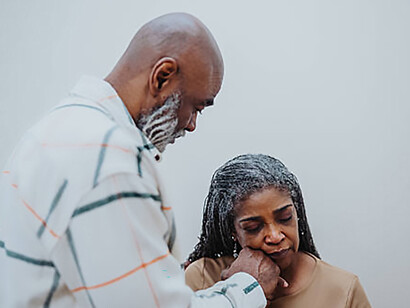
Patients should be strongly encouraged to perform physical exercises that can help them treat their sexual difficulties. According to Ntekim, intercourse between spouses should be encouraged at least three times a week after pelvic irradiation in women. Moreover, vaginal dilators of the fingers is encouraged at least three times a week for ten minutes to maintain the patent vaginal canal of cancer patients. Finally, patients should also be encouraged to keep their sex life going despite cancer treatment. They need to know that no matter what kind of cancer treatment they are undergoing, they should continue to practise their sexual life, and they will be able to feel the pleasure. Therefore, they need to be more open-minded about ways to feel sexual pleasure, and they always need to enhance their self-esteem. They should know that having cancer is not the end of life; therefore, their spouses also need to encourage them to live their lives normally.
In conclusion, addressing sexual difficulties among cancer survivors requires a comprehensive and compassionate approach that integrates professional training, patient openness, and active self-care. Equipping healthcare providers with the necessary skills, fostering a supportive environment where patients feel safe expressing their concerns, and encouraging practical strategies to maintain intimacy and well-being can significantly enhance the quality of life for cancer survivors. Ultimately, doing this ensures that sexual relations between spouses are an important aspect of one's health and not just a secondary desire, thus providing more total care to our patients and their families.