English
 Español
 Français
 Deutsch
 Italiano
 Português
Rock music has never been only about sound. From its earliest days, it carried an attitude that demanded to be seen as much as it wanted to be heard. The guitar riffs, the sweat on stage, and the raw emotional performances were only part of the spectacle. Clothing became the visual amplifier of rock’s rebellious message. Musicians quickly realized that what they wore could strengthen their identity and communicate their ideas before they even played a single note.
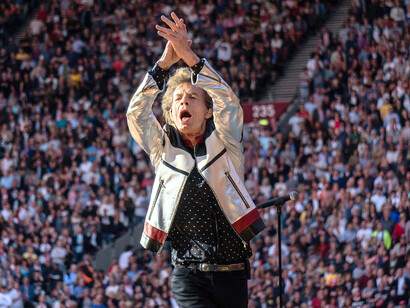
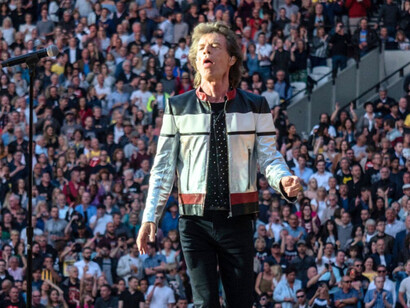
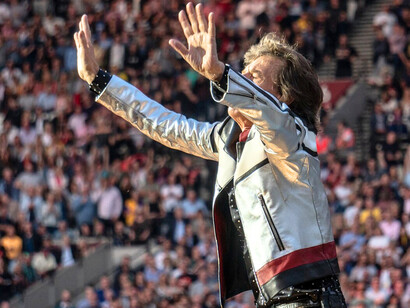
In the world of rock, fashion evolved from simple stage attire into a powerful cultural language. Leather jackets, boots, denim, and band T-shirts turned into symbols of identity and belonging. What artists wore on stage soon echoed through the streets, shaping how entire generations dressed. The connection between rock and fashion is therefore not accidental. Both thrive on rebellion, individuality, and the desire to break rules.
The origins of rock fashion can be traced back to the 1950s, when rock and roll exploded as a new form of youth culture. Young people suddenly had cultural heroes who looked nothing like their parents. Elvis Presley, for example, challenged conservative style with flashy suits, slicked-back hair, and a confident stage presence. His outfits combined elegance with rebellion, helping to define the visual identity of early rock.
During the same decade, leather jackets became one of the earliest symbols of rock culture. Originally associated with motorcycle clubs and Hollywood rebels, they quickly became popular among rock musicians and fans. The jacket represented freedom, danger, and independence. Wearing one was almost like declaring loyalty to a rebellious tribe.
Denim also played a crucial role in early rock style. Jeans were originally designed as durable workwear for miners and laborers, but teenagers adopted them as a sign of defiance. In fact, many American schools banned students from wearing jeans during the 1950s because they were considered rebellious and linked to delinquent behavior. This prohibition only increased their popularity among young people.
The 1960s brought a dramatic transformation to both music and fashion. As rock music evolved into psychedelic and experimental forms, clothing followed the same creative path. The early part of the decade was influenced by bands like The Beatles, whose tailored suits and distinctive haircuts became a global trend almost overnight.
Soon after, the counterculture movement changed everything. Psychedelic rock encouraged self-expression and experimentation, and fashion responded with vibrant colors and unconventional shapes. Tie-dye shirts became one of the most recognizable garments of the era. Interestingly, many of these pieces were handmade by fans, reflecting the strong DIY spirit of the time.
Military jackets also became popular among musicians during the late 1960s. Many artists wore vintage army jackets as a protest against war, turning a symbol of military power into a statement of peace. Festivals like Woodstock helped spread these styles worldwide. At Woodstock in 1969, loose silhouettes, fringe jackets, and handcrafted accessories represented a new vision of freedom.
In the 1970s, rock fashion became even more theatrical with the rise of glam rock. Artists like David Bowie transformed the stage into a visual performance filled with glitter, metallic fabrics, and futuristic silhouettes. Bowie’s Ziggy Stardust persona blurred the boundaries between masculinity and femininity, introducing androgynous fashion to mainstream audiences.
Platform boots, bold makeup, and sparkling suits defined the glam rock aesthetic. These looks were not only about fashion but about performance and identity. Glam rock encouraged artists and fans alike to experiment with self-image, proving that fashion could be a form of artistic expression.
At the same time, another movement was emerging with a very different philosophy. Punk rock rejected glamour and perfection, embracing chaos and raw authenticity. In the mid-1970s, punk fashion exploded in cities like London and New York. Torn clothing, safety pins, leather jackets, and combat boots became the visual symbols of rebellion.
Many punk garments were intentionally damaged or customized. The DIY approach was essential because it allowed individuals to create their own style rather than follow traditional fashion rules. Designers like Vivienne Westwood helped bring punk aesthetics into the fashion world, showing that even rebellion could influence high fashion.
The 1980s saw the rise of heavy metal and its distinctive style. Black leather, studded accessories, and long hair became defining elements of the metal aesthetic. Bands such as Metallica, Guns N’ Roses, and Iron Maiden helped popularize a darker, more aggressive fashion identity that resonated strongly with their music.
Meanwhile, the late 1980s and early 1990s introduced a completely different look through the grunge movement. Bands like Nirvana and Pearl Jam rejected flashy clothing in favor of a casual and almost careless style. Flannel shirts, ripped jeans, and worn-out sneakers became symbols of authenticity and anti-fashion.
Ironically, this anti-fashion movement quickly became one of the most influential trends in the fashion industry. Designers began incorporating grunge elements into runway collections, proving once again that rock culture constantly shapes the evolution of style.
Throughout these decades, the band T-shirt emerged as one of the most enduring pieces of rock fashion. Originally sold as merchandise at concerts, these shirts became cultural artifacts that allowed fans to express their musical identity. Today, vintage band shirts are highly collectible and often appear in luxury fashion collections.
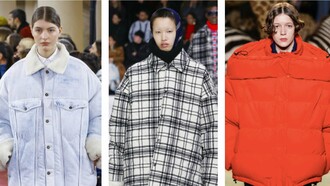
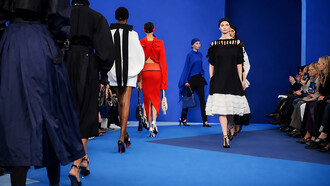
Rock fashion has also had a strong influence on high-end designers. Brands such as Saint Laurent, Balmain, and Alexander McQueen have repeatedly drawn inspiration from rock culture. Leather jackets, distressed denim, and rebellious silhouettes continue to appear on runways decades after they first appeared on stage.
Another fascinating aspect of rock fashion is its connection to individuality. Unlike many traditional fashion movements, rock style encourages people to personalize their clothes. Patches, pins, paint, and customized prints allow fans to transform garments into unique statements.
Women have also played a major role in shaping rock fashion. Artists like Debbie Harry, Joan Jett, and Patti Smith challenged gender expectations and introduced powerful new aesthetics. Their styles combined strength, attitude, and creativity, inspiring countless designers and musicians.
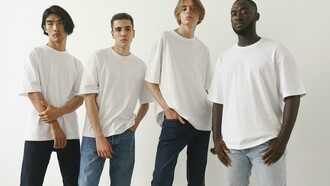
Today, the influence of rock fashion can be seen in streetwear, luxury fashion, and everyday clothing. Distressed denim, oversized band T-shirts, and leather jackets remain staples of modern wardrobes. What once symbolized rebellion has become a permanent part of global fashion culture.
The relationship between rock and fashion continues to evolve. New artists reinterpret classic elements while introducing fresh perspectives. Even in the digital age, the visual power of rock style remains strong.
Ultimately, rock music did more than change how people listen to music. It transformed how people dress, how they express themselves, and how they challenge cultural norms. Fashion became another instrument in the orchestra of rebellion.
And just like a timeless guitar riff, the style of rock never truly fades. It simply reinvents itself for the next generation.