English
 Español
 Français
 Deutsch
 Italiano
 Português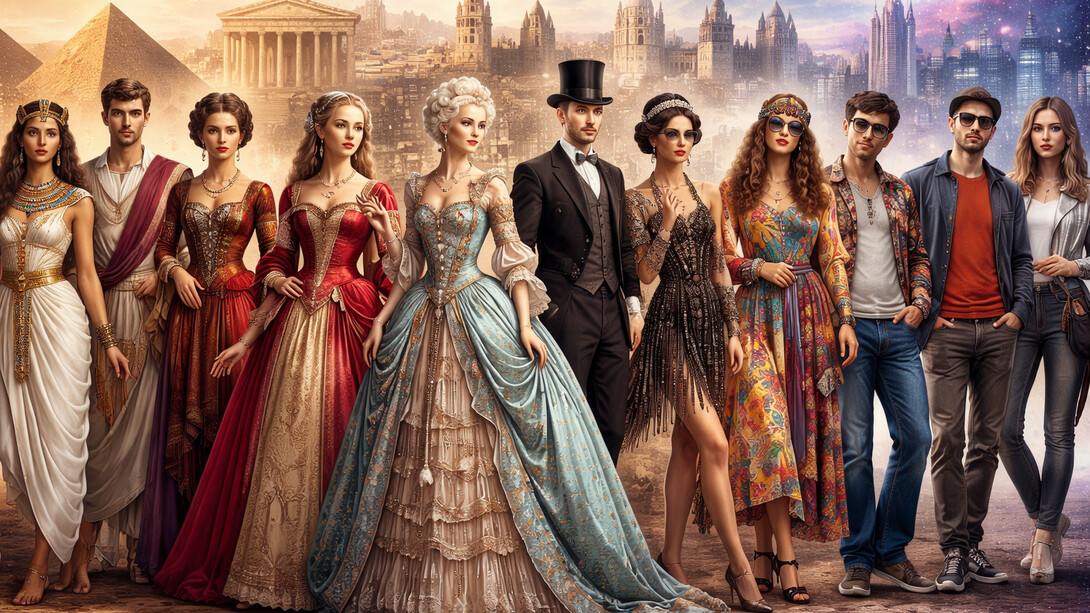
The history of costumes follows the evolution of humanity itself, serving not only as body protection but also as cultural, social, and symbolic expression. Since the earliest records of Antiquity, clothing has reflected the values of each society, as well as political and religious changes. Dressing has never been merely a practical necessity: costumes have always carried codes of status, identity, and belonging, which varied according to historical context. To understand this journey is also to understand the paths of civilization.
In Ancient Egypt, clothing was strongly linked to the hot, arid climate, resulting in light linen garments, usually white, associated with purity. Pharaohs, priests, and nobles wore elaborate adornments made of gold, precious stones, and fine fabrics as a way of marking power and social position. Common people dressed simply, with tunics or kilts. Symbolism was essential: colors, embroidery, and accessories had religious and magical meanings, representing the connection between humans, the gods, and the afterlife.
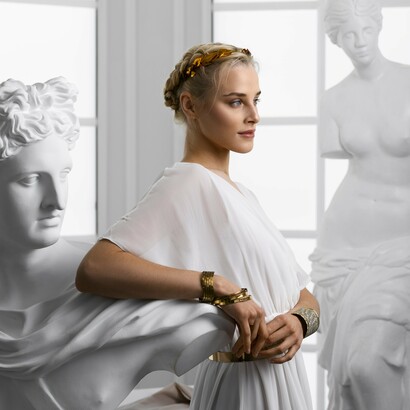
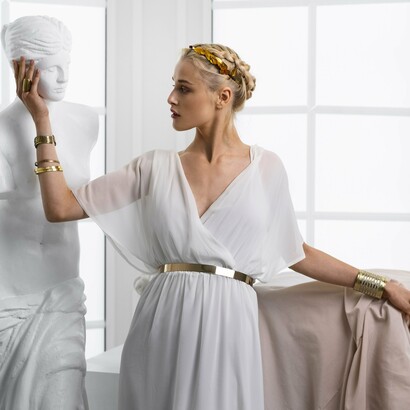
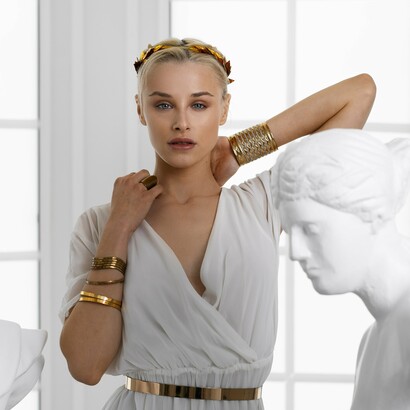
In Ancient Greece, simplicity and aesthetic harmony became central. The Greeks created garments such as the chiton, peplos, and himation, which were rectangular pieces of fabric draped over the body. Cutting was minimal, and beauty lay in how the fabric was fastened and in the movement it created. In Rome, clothing carried stronger social rigidity. The toga, for instance, was a garment exclusive to Roman citizens, with colors and styles that indicated class, profession, or political status. Clothing was, therefore, also a legal and social marker.
During the Middle Ages, costumes were strongly influenced by the Church, which preached modesty and restraint. Garments became heavier and covered almost the entire body, also reflecting the European climate. Fabrics were generally wool and linen, but the nobility had access to oriental silks and luxurious embroidery. Colors gained symbolic meanings: red represented power, blue was linked to Marian devotion, and black was associated with authority. Medieval clothing reinforced hierarchies, visually distinguishing peasants, knights, clergy, and nobles.
With the Renaissance came a renewed appreciation of the human body and aesthetics inspired by classical Antiquity. Clothing became more ornate and fitted, highlighting the silhouette. European courts dictated fashion, with garments loaded with embroidery, lace, and imported fabrics such as velvet and brocade. Costume was a symbol of monarchical power, especially in the courts of Italy and France. Clothing also began to be regulated by sumptuary laws, which determined which social classes could wear certain colors and fabrics, reinforcing status distinctions.
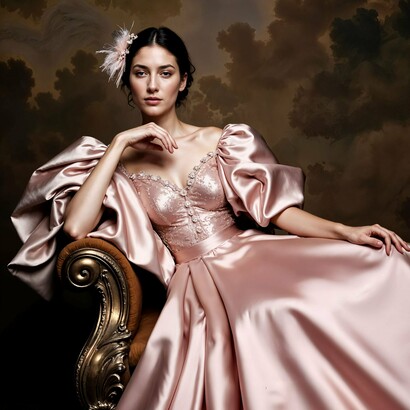
During the Baroque and Rococo periods, between the 17th and 18th centuries, extravagance and ostentation dominated costumes. Voluminous skirts, corsets, wigs, and elaborate accessories defined the clothing of Europe’s elites. The court of Louis XIV, the “Sun King,” turned fashion into a political instrument: the nobles’ lavish appearance symbolized the centralization of royal power. In the Rococo era, lightness and refinement took over, with pastel tones and delicate details, reflecting an atmosphere of sophistication and luxury before the French Revolution. This period also consolidated Paris as the fashion capital of the world.
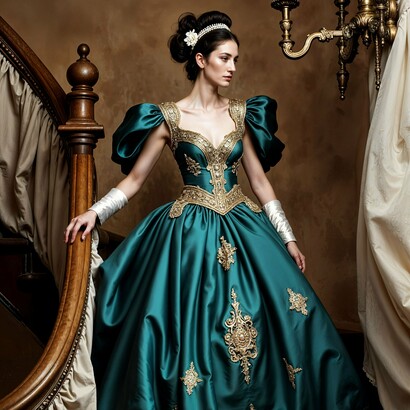
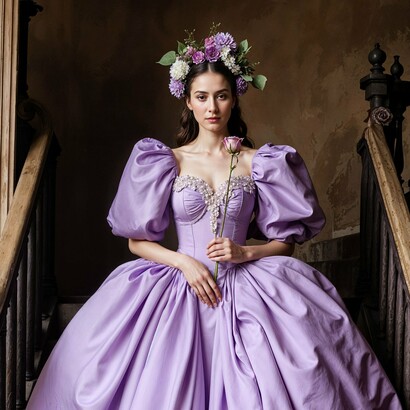
In the 19th century, the Industrial Revolution brought profound changes to costume production. The invention of the sewing machine and large-scale manufacturing democratized access to more elaborate clothing. Romanticism marked the early century with long dresses, puffed sleeves, and idealized feminine silhouettes. In the second half, costumes also reflected the rise of the bourgeoisie and social transformations. Men’s clothing standardized into the suit, while women’s fashion oscillated between rigid structures like the corset and more practical innovations. It was the beginning of a costume closer to everyday life.
The 20th century brought revolutions in clothing, following social, political, and cultural transformations. In the 1920s, women gained more freedom and adopted straight, short dresses, inspired by the “flappers.” In the 1940s, during World War II, fashion became more functional, with rational designs and limited fabrics. In the 1950s, women’s silhouettes returned to prominence with flared skirts and cinched waists, as in Christian Dior’s “New Look.” Youth became central in the 1960s, and costumes began to reflect rebellion, modernity, and diversity.
In the later decades of the 20th century, costumes became even more diversified. The 1970s brought hippie, punk, and disco influences, while the 1980s emphasized excess, with shoulder pads, vibrant colors, and a “power dressing” aesthetic. In the 1990s, minimalism and casual style dominated, reflecting a more globalized and practical world. Each decade consolidated not only aesthetic trends but also forms of resistance and identity affirmation. Costume was no longer just a reflection of the elite but became an expression of youth, music, and urban subcultures.
In the 21st century, costumes have begun to engage with new technologies and urgent social issues. Digital fashion and augmented reality introduced unprecedented possibilities of creation and consumption. At the same time, movements focused on sustainability emerged, questioning the impacts of mass production and so-called fast fashion. Contemporary costume is marked by diversity, the breaking of gender norms, and the celebration of plural identities. Today, dressing is a political, cultural, and creative act that continues to translate the complexity and transformation of global society.