English
 Español
 Français
 Deutsch
 Italiano
 Português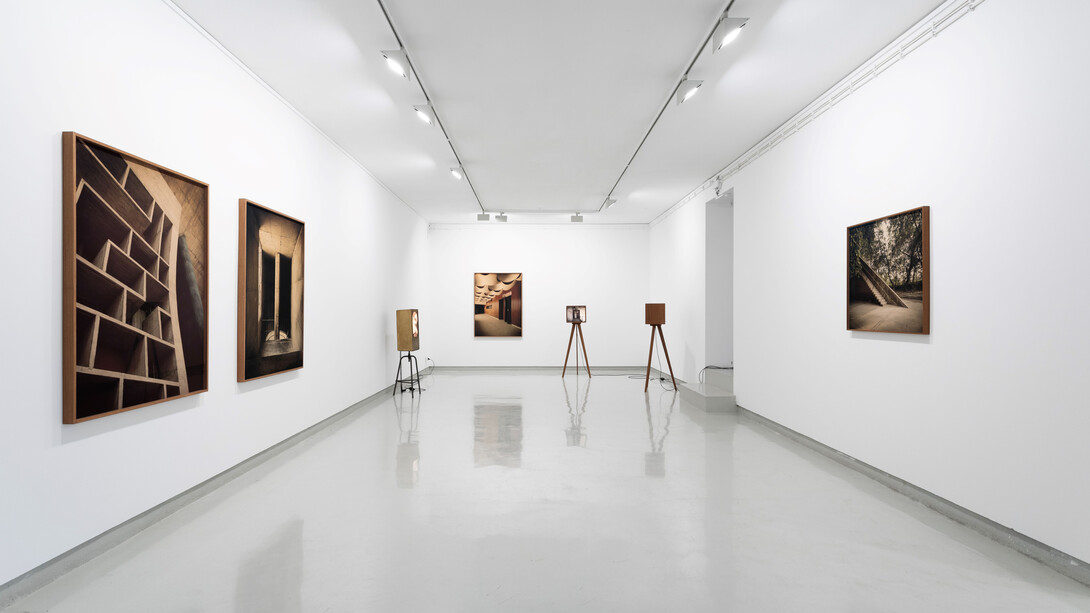
Soul complex begins with a question posed by the Indian architect Aditya Prakash in the poem Chandigarh – a presentation in free verse: does Chandigarh have a soul? The answer appears within the poem itself: “this is a city with a soul, with a throbbing heart, and with a thinking sensitive brain”. It is from this idea — the possibility that a city might possess an inner life — that the exhibition takes its title.
Built from scratch in the 1950s, Chandigarh became one of the most ambitious urban projects of the twentieth century. Conceived after India's independence, the city was envisioned as a symbol of modernity and of the future. The master plan and the most emblematic institutional buildings were developed by Le Corbusier, in collaboration with Pierre Jeanneret, Jane Drew, Maxwell Fry, and numerous Indian architects and planners. At the centre of this vision stands the Capitol Complex, a monumental ensemble that includes the Palace of Assembly, the Secretariat, and the High Court — large-scale structures in which architecture asserts itself as both a sculptural and political gesture.
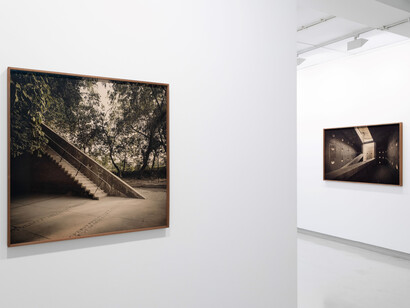
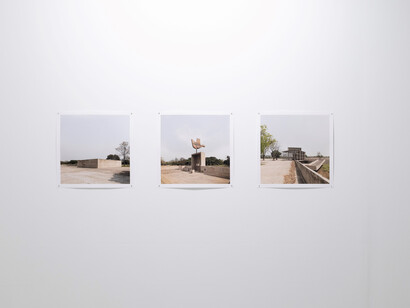
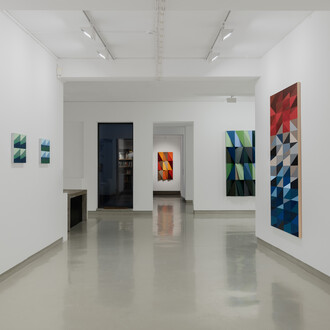
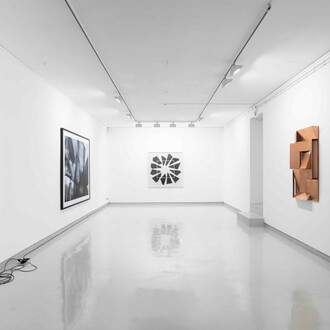
Throughout her work in Chandigarh, Inés d'Orey photographed interiors and institutional spaces of the city, exploring the ways in which architecture constructs atmospheres and sensory experiences. Light, material, and scale become central elements, while the spaces — often monumental — reveal a tension between geometric order and human presence. In the large format photographs presented in this exhibition, many of them dedicated to the Capitol Complex, architecture appears as a living body, charged with memory and intention.
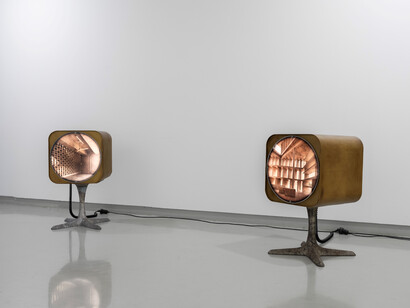
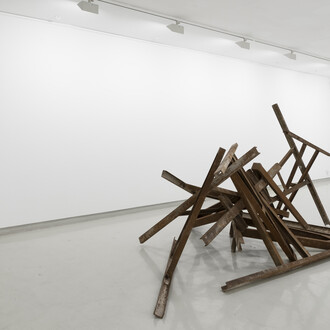
The exhibition brings together large-format photographs, light boxes, and an installation dedicated to two important architects involved in the construction of Chandigarh: Jane Drew and U. Eulie Chowdhury. Although they contributed to numerous buildings and to the shaping of the city’s urban fabric, their names remained for decades less visible within the dominant narrative of modern architecture.
By bringing these two architects to the centre of the exhibition, Inés d’Orey extends a line of research that has marked her recent work: the study, identification, and photographic documentation of buildings designed by pioneering women architects of the first half of the twentieth century. This gesture seeks not only to revisit the history of architecture, but also to rebalance the way that history is told.
Soul complex thus proposes a meeting point between architecture, image, and memory. Between the monumentality of modernist structures and the human stories that run through them, the exhibition returns to Aditya Prakash's initial question: can a city have a soul? In Inés d'Orey’s images, Chandigarh emerges as a complex organism, at once rational and sensitive, where the built space seems to hold the energy of those who imagined it.