English
 Español
 Français
 Deutsch
 Italiano
 Português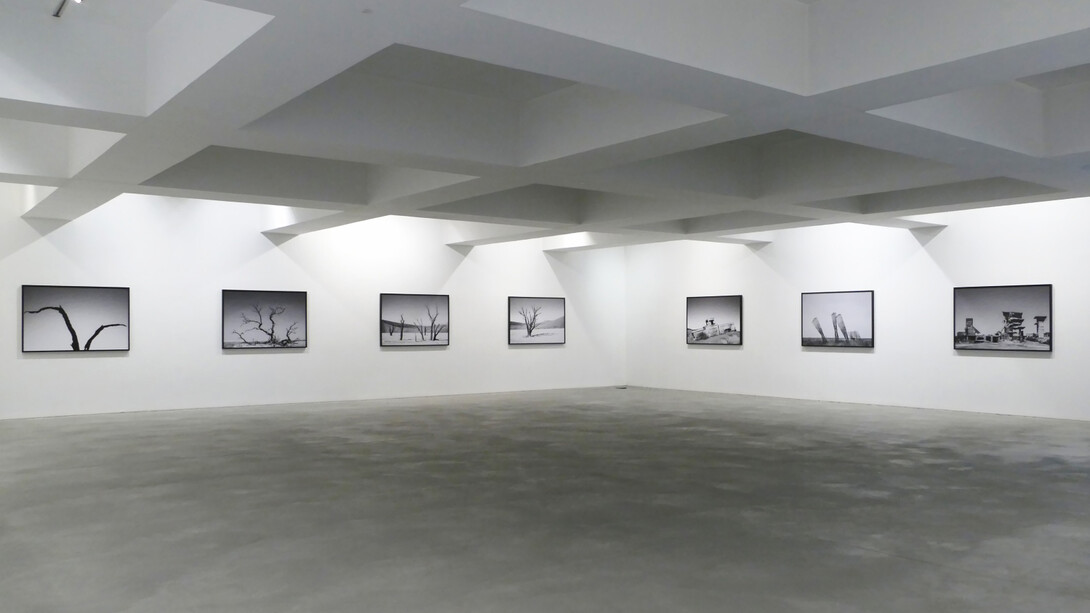
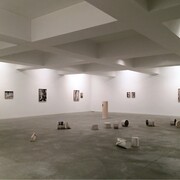
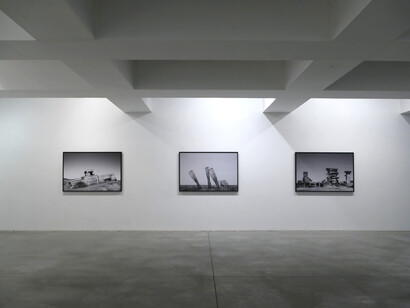
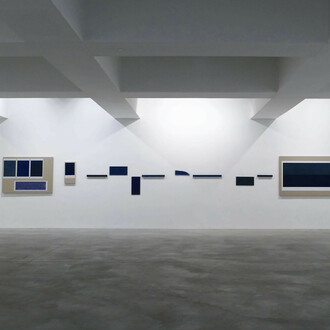
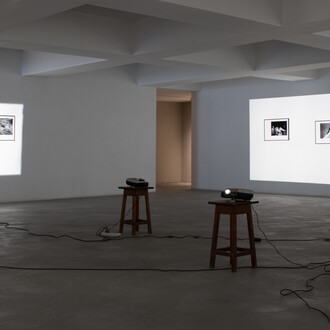
After its first presentation in Porto, the exhibition Endscape can now be seen at Galeria Carlos Carvalho Arte Contemporânea in Lisbon.
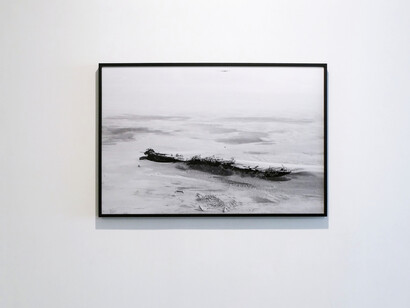
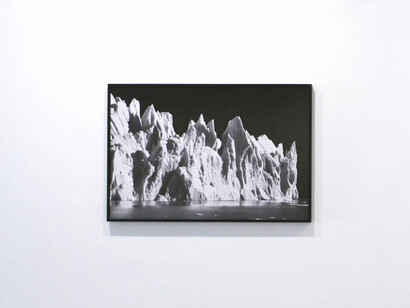
Endscape is an exhibition comprising a video and large-scale black-and-white photographs that reveal a world after the end — uninhabited landscapes where living nature has become a trace. What remains are rocks, deserts, burned or fossilized trees, dissolving glaciers, and vestiges of human presence buried in the sand. In this silence, an alarm cry echoes: we have existed on Earth for only 300,000 years, on a planet where life has flourished for 3.8 billion years, and we now face the threat of extinction as a species because we are destroying Mother Nature, upon whom we depend.
2024 was the hottest year on record and may have been the coolest year for the rest of our lives. In Patagonia, glacier tongues are retreating by more than 100 meters per year. The Arctic is estimated to become ice-free in summer as early as the 2030s.
Climate change is multiplying natural disasters such as floods, droughts, wildfires, and forced migrations — a reality we witness helplessly through the screens in our homes. Rising sea levels could affect regions where 300 million people currently live by 2050. In many cases, the consequences are already irreversible, particularly those involving the oceans, ice caps, and sea levels.
Since the Industrial Revolution, human activities have significantly altered three-quarters of the Earth’s surface, and more than 85% of wetlands have disappeared. Nine out of ten people breathe air with pollutant levels exceeding the limits recommended by the who.
Every day, 150 species become extinct, and around one million are at risk.
Water scarcity already affects 55 million people and could impact three-quarters of the world’s population by 2050. These environmental changes are now responsible for one in four deaths globally.
Following Fading, which took place at the gallery from 06.07 to 17.09.2013 and focused on animal extinction and ecosystem degradation, I continue in this exhibition a meditation on the fragile permanence of life and the ephemeral condition of humankind on the planet that sustains it.