English
 Español
 Français
 Deutsch
 Italiano
 Português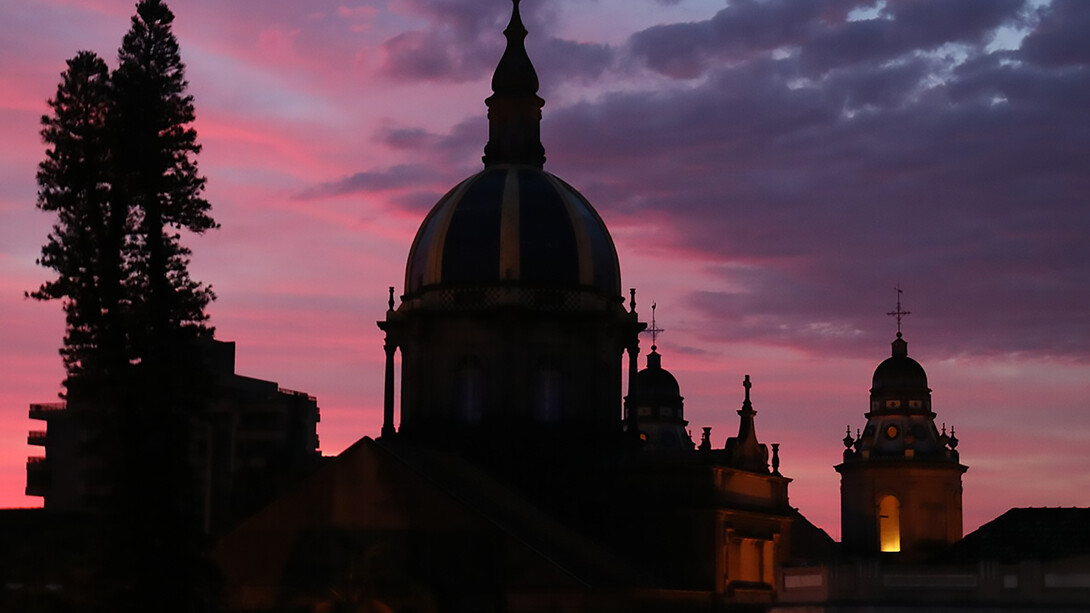
Pelotas, in the southern state of Rio Grande do Sul, Brazil, is a historic city that grew during the charque (dried beef) cycle in the 18th century. The production and export of charque brought prosperity and attracted European immigrants, mainly Portuguese and Azoreans, who left lasting marks on the city’s architecture and culture. Pelotas is also famous for its sweet-making tradition, with artisanal recipes passed down through generations, earning it the title of the National Capital of Sweets. Today, the city blends historical heritage, beautiful old houses, and a vibrant cultural life, reflecting centuries of history and tradition.
A museum dedicated to sweets—and the history they carry—offers a quiet entry point into Pelotas, where recipes preserve more than flavor. Located about 260 km southeast of Porto Alegre, Brazil, Pelotas sits on the rolling southern Brazilian plains, a city whose past is written in sugar, salted meat, and the resilience of its people.
In Pelotas, the city’s sweet-making tradition is directly tied to the decline of the salted meat—charque—industry, which had been central to the local economy until the early 20th century. Ships left Pelotas carrying charque and returned from northern Brazil with loads of sugar. When the charque economy collapsed, the wives and daughters of the so-called “charque barons” took the lead in the domestic economy, turning what they prepared at home into sweets for sale. Although this activity remained largely domestic—without formal commercial establishments—it gradually gained social and economic significance. This delicate balance between private (produced in home kitchens) and public (sold to an increasingly diverse clientele) still characterizes Pelotas’ sweet industry today.
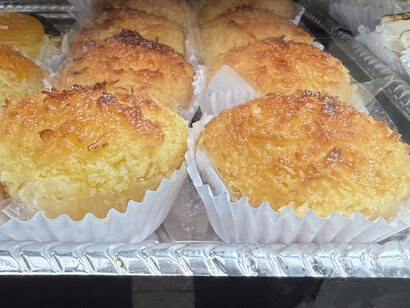
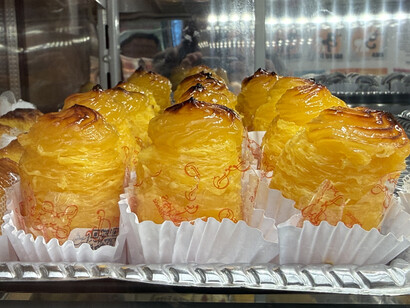
With a sweet-making tradition that spans generations, the city enchants with delights like camafeu, quindim, pastel de Santa Clara, and countless other treats rooted in Portuguese heritage. I must confess that I’m not usually very fond of sweets—but in Pelotas, it is impossible to resist them. Each recipe seems to carry history, memory, and refined technique. Inside the Museu do Doce, these stories come alive through antique molds, kitchen tools, and handwritten recipes, showing how sweets are also cultural documents.
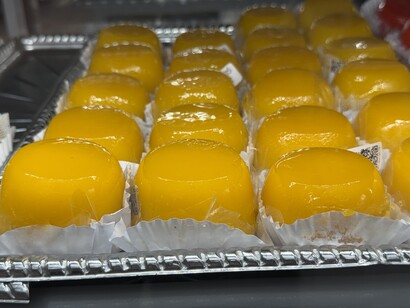
Walking through the museum, visitors encounter more than tools or recipes. Each display tells a layered story of adaptation, creativity, and resilience. Camafeu, a small almond-based confection coated in fondant, reveals the influence of Portuguese convent sweets. Quindim, a bright yellow custard of coconut and egg yolk, highlights Brazilian adaptation of colonial ingredients. Pastel de Santa Clara, delicate and sugary, combines pastry and elegance, reflecting centuries of history. Each sweet carries not only flavor but a lineage—of women, families, and a city reinventing itself over time.
Pelotas’ sweet-making tradition has been recognized as part of Brazil’s intangible cultural heritage and continues to shape the city’s economy and social life. Most visibly, it comes alive during the annual Fenadoce. Thousands of visitors gather to taste, buy, and celebrate a history crafted in sugar. Stalls brim with sweets, workshops demonstrate traditional techniques, and competitions encourage innovation alongside preservation. Fenadoce is more than a festival—it is a living celebration of memory, identity, and resilience.
Yet the museum also preserves quieter stories: the transmission of knowledge through hands, the careful repetition of recipes, and the meticulous crafting of sweets. These practices are forms of memory, storytelling, and identity, quietly resisting disappearance. They speak of women who, generations ago, took domestic work and transformed it into cultural heritage; they remind us that history is lived in kitchens as much as in streets or archives.
Visiting the Museu do Doce is an invitation to experience history differently. Flavor becomes a lens to understand a city shaped by industry, gender, and tradition. By the time you arrive from Porto Alegre, after a scenic three-hour drive, Pelotas’ charm is palpable: historic architecture, quiet streets, and the sense that every corner carries stories waiting to be tasted.
In Pelotas, sweets are never just sweets—they are memory, adaptation, and resilience, all wrapped in sugar. And even for someone like me, who is not usually fond of sweets, it is impossible to resist the desserts of Pelotas: each bite is a taste of history, heritage, and care. From camafeu to quindim, from pastel de Santa Clara to countless other treats, every sweet tells a story of survival, creativity, and the hands that have kept tradition alive for generations.
Beyond the museum and the festival, this legacy continues in everyday life. Small family kitchens still produce sweets using handwritten recipes, often unchanged for decades. In these spaces, knowledge is not formally taught but observed, repeated, and perfected over time. What emerges is not only craftsmanship but continuity—a quiet insistence that tradition matters. In Pelotas, the past is not preserved at a distance; it is tasted daily, shared generously, and carried forward through each careful gesture.
In this way, Pelotas remains not only a city of sweets but also a living archive of taste, memory, and continuity.