English
 Español
 Français
 Deutsch
 Italiano
 Português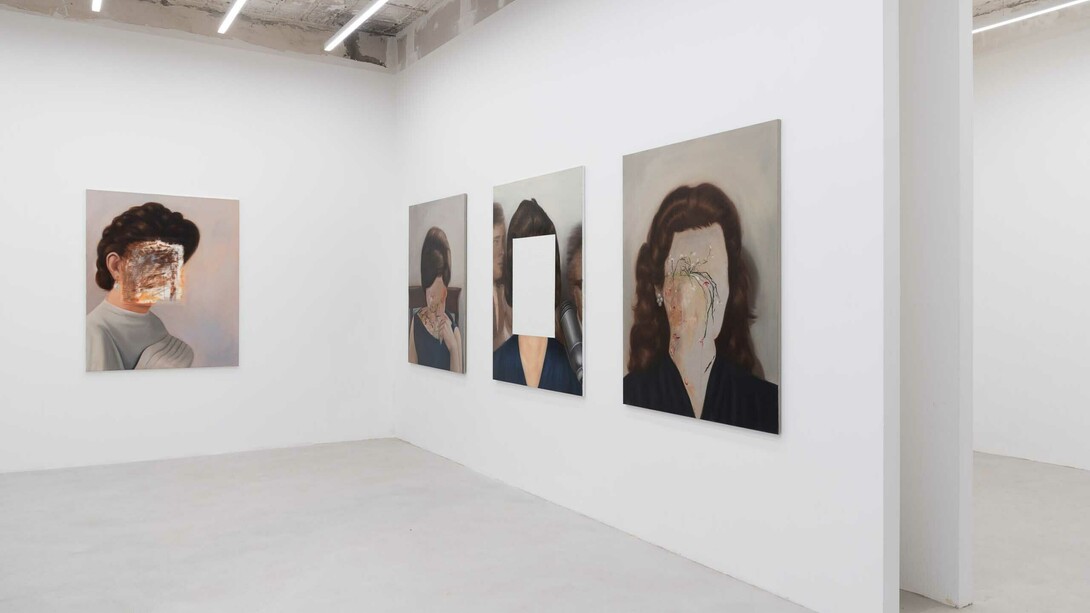
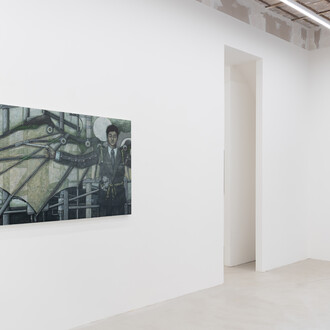
T293 is pleased to present Behind cypress forests / پشتِ جنگلهایِ سرو, the first solo exhibition by Iranian-American painter Tina Dion (b.1992), opening on 13 March 2026.
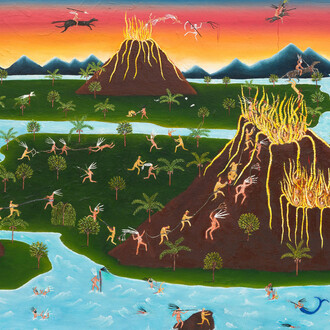
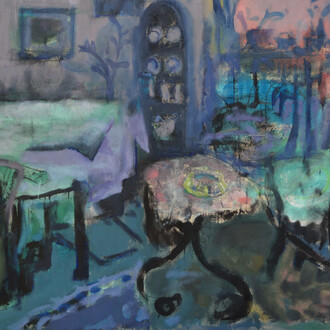
Behind cypress forests / پشتِ جنگلهایِ سرو begins from a feeling of being shaped by a place and a history not fully lived, yet carried intimately. Drawn to the visual and cultural atmosphere of Iran before the 1979 revolution—not as nostalgia, but as a site of possibility—Tina Dion’s work inhabits an in-between state, where past, present, and future exist in continual tension.
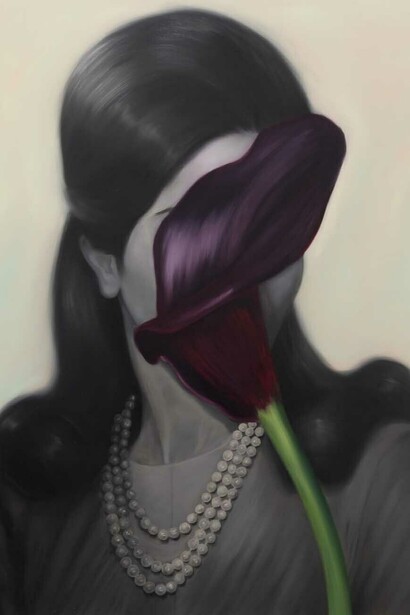
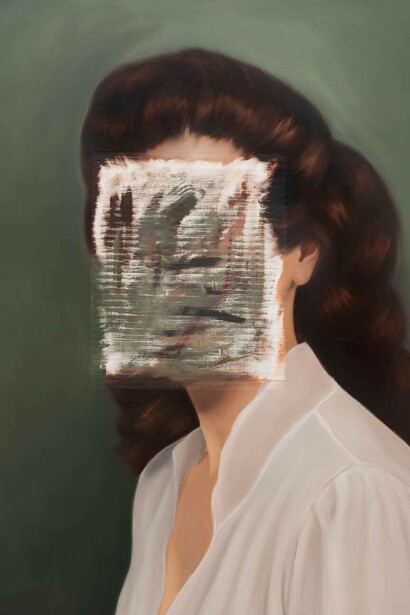
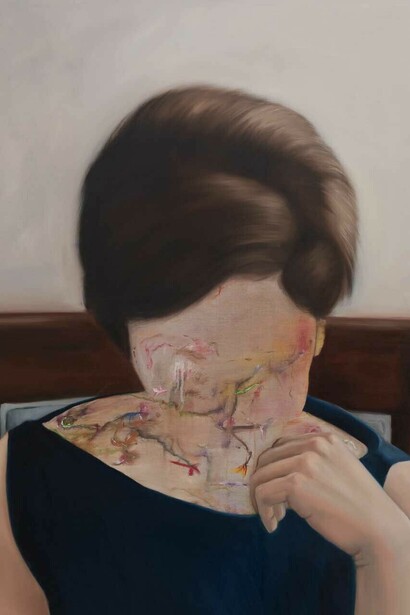
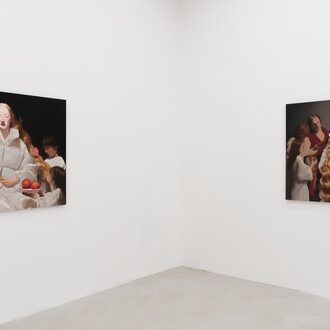
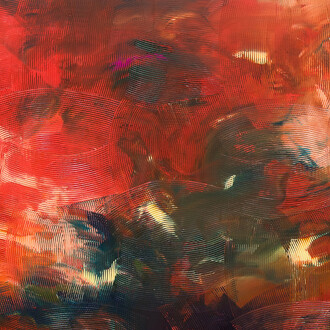
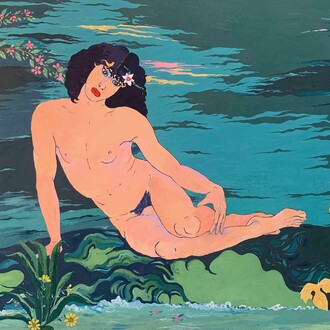
Working from found imagery such as vintage Iranian magazine covers and photographs of royal women from the 1940s to the late 1970s, Dion translates these figures into oil paintings that move between figuration and abstraction. Her subjects appear suspended—neither fully anchored in the present nor absorbed by the past—reflecting how memory, desire, and loss coexist within both personal and collective histories. These paintings are less about reconstruction than re-inhabitation: an attempt to hold multiple moments in time within a single, fragile space.
Central to this work is the rendering of women’s hair. Dion paints hair with particular care—soft, luminous, and sensuous—treating it as both a site of beauty and a charged symbol. In Iran, women’s hair has long been politicized, regulated, and surveilled, transformed from an intimate extension of the body into a public battleground. By emphasizing hair while simultaneously obscuring the face, Dion reverses conventional portraiture. What is often controlled or concealed becomes expansive and tender, while identity itself is withheld. Hair, in these paintings, functions as a quiet act of resistance: a carrier of memory, autonomy, and desire.
Growing up between Iran and the United States, Dion’s work emerges from a constant duality—between memory and exile, visibility and erasure. In many paintings, she obscures the women’s faces using strips of tape, sometimes used to wipe excess paint from her brush. This gesture operates both as an act of rebellion and as an intuitive form of mark-making, producing surfaces that function as psychological landscapes rather than straightforward portraits. The disruption of the face contrasts with the careful rendering of hair, skin, and garments, creating tension between what is revealed and what is denied.
The act of concealment points to the historical and ongoing reduction of women to objects—seen but not heard, visible yet stripped of agency. Dion’s process remains deliberately unresolved: whether the tape remains in the final work depends not on concept alone, but on what the painting itself demands. In relinquishing control, the work becomes a negotiation between presence and erasure, intention and surrender.
The title Behind cypress forests / پشتِ جنگلهایِ سرو draws from the symbolic presence of the cypress tree in Iranian culture, where it has long represented eternity, grace, endurance, and spiritual ascent. Often appearing in Persian poetry, gardens, and visual traditions, the cypress stands upright and unwavering—an emblem of dignity and transcendence in the face of time.