English
 Español
 Français
 Deutsch
 Italiano
 Português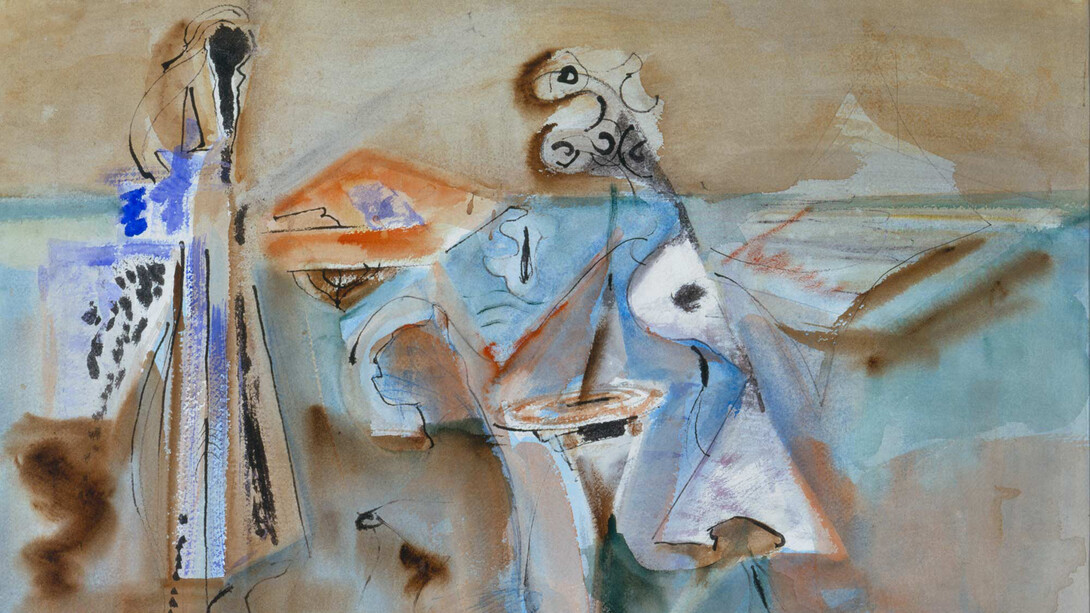
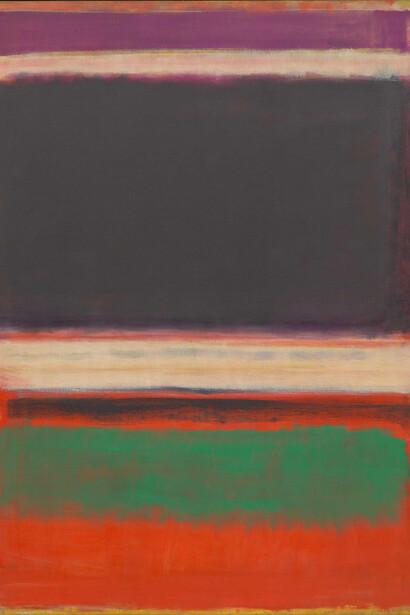
From March 14 to August 23, 2026, Fondazione Palazzo Strozzi presents one of the most important exhibitions ever dedicated to Mark Rothko (1903-1970), the undisputed master of American modern art. Curated by Christopher Rothko and Elena Geuna, Rothko in Florence is a unique project conceived specifically for Palazzo Strozzi to celebrate the artist’s special bond with Florence. The palace’s architecture and the city itself provide the ideal backdrop to explore how Rothko translated the tension between classical measure and expressive freedom into painting, creating through color a new perception of space that transcends the two-dimensionality of the canvas.
The exhibition at Palazzo Strozzi traces Rothko’s entire career with over 70 works from prestigious private collections and leading international museums, including New York’s Museum of Modern Art (MoMA) and Metropolitan Museum of Art, London’s Tate, Paris’s Centre national d’art et de culture Georges-Pompidou, and Washington’s National Gallery of Art.
From Palazzo Strozzi, the project extends into the city of Florence, through two special satellite interventions at locations particularly significant to the artist: the Museo di San Marco, where a selection of works will be presented in dialogue with the frescoes of Fra Angelico, and the Vestibule of the Biblioteca Medicea Laurenziana designed by Michelangelo.
From Palazzo Strozzi, the project extends into the city of Florence, through special satellite interventions at two institutions of the Ministry of Culture, particularly significant to the artist: the Museo di San Marco, where a selection of five works will be presented in the cells with the frescoes of Fra Angelico, and the of the Biblioteca Medicea Laurenziana, with two works in dialogue with Vestibule designed by Michelangelo.
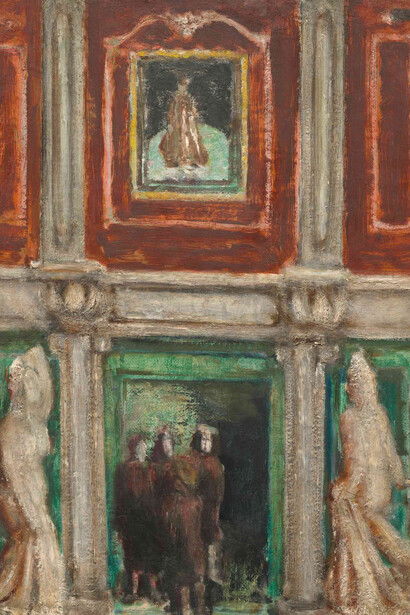
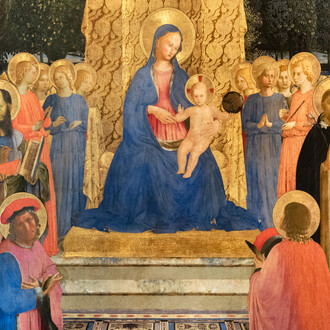
Rothko’s first encounter with Florence dates to 1950, during a trip to Italy with his wife Mell. He was deeply moved by Fra Angelico’s frescoes at the Convent of San Marco and by Michelangelo’s architectural vision in the Vestibule of the Biblioteca Medicea Laurenziana, which would inspire the Seagram Murals painted in the late 1950s—a dialogue that Rothko further developed during his second visit to Florence in 1966. In some of his more delicate works, one can also perceive the influence of fifteenth-century Italian art and, in particular, of Angelico’s fresco technique. Rothko and Angelico shared a desire to evoke a sense of transcendence, a dimension at once distant and profoundly familiar. While Angelico achieved this through the emotional resonance of divine figures in dialogue with earthly reality, Rothko created color fields capable of accompanying viewers into different emotional depths, challenging accepted notions of abstraction and color theory.