English
 Español
 Français
 Deutsch
 Italiano
 Português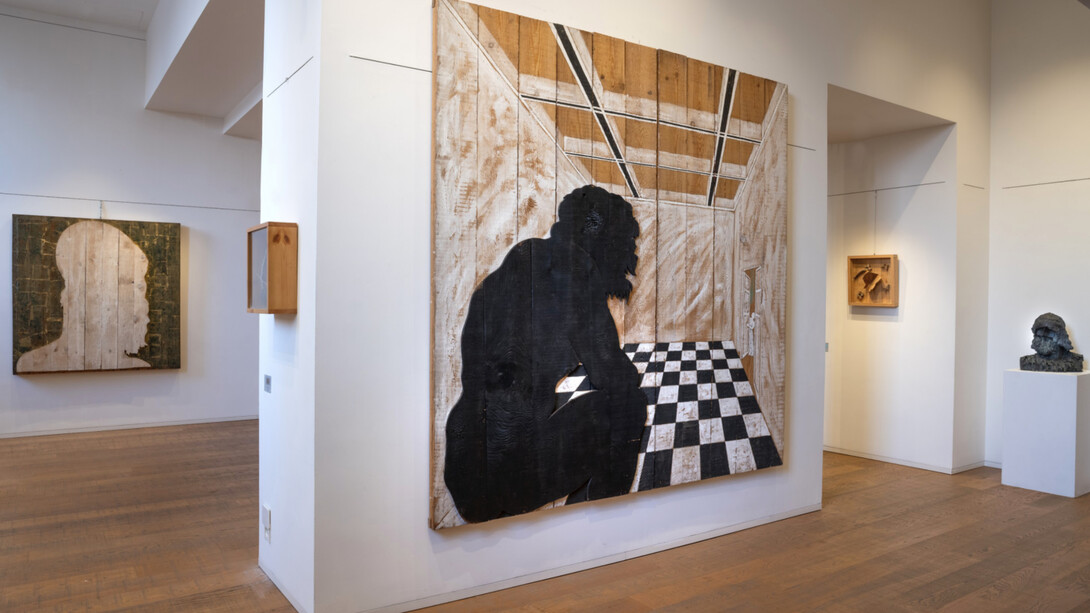
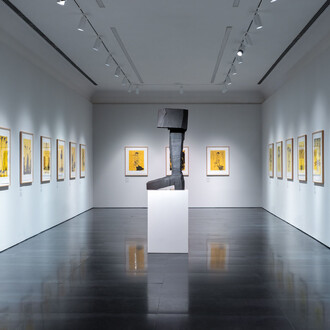
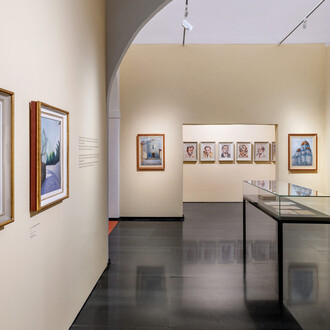
In March 2026, Tornabuoni Art Florence inaugurates a solo exhibition of the artist Mario Ceroli, Roman by adoption, spanning the entire arc of his research, from wood to bronze, from myth to the telling of everyday life.
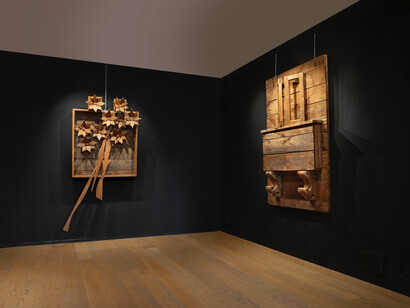
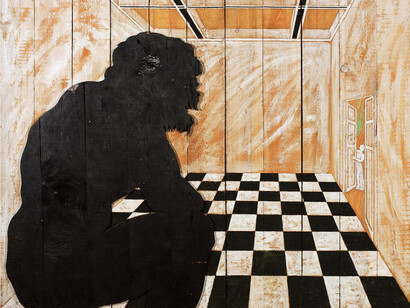
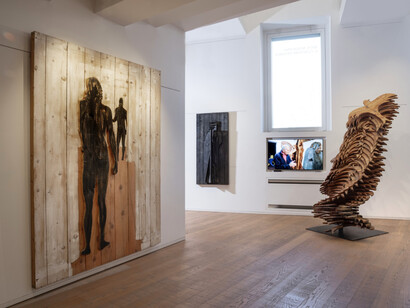
Wood, a primary and identity-defining material, becomes the vehicle for an idea of sculpture as an original gesture, capable of becoming history and environment. Works such as Gloria eterna ai caduti per la pittura (1972) transform memory into an ironic and critical monument, where writing becomes plastic material. The dialogue with painting and art history resurfaces in the shadows of the Bronzi di riace of the 1980s, mythical figures reduced to silhouettes, suspended between the archaic and the contemporary. The Greek portraits translate the heroic face into a new three-dimensionality made of planes, additions, and volumetric tensions.
The transition to bronze does not mark a rupture, but an extension of Cerolis language toward a more classical monumentality. At the center of the exhibition path emerges Squilibrio (1988), a founding idea of Cerolis poetics, symbol of an unstable yet vital human condition projected into space. Alongside these timeless presences, Le talebane of the early 2000s introduce a powerful reflection on contemporary reality and the condition of women, filtered through imagination and form.
Between humble and noble materials, Ceroli constructs a theater of collective memory. A sculpture that not only represents, but acts in space and in the viewers consciousness.